
Essential Prep Cook Job Description for 2025: Roles & Responsibilities
Introduction to Kitchen Roles
A clear prep cook job description helps kitchens stay organized, efficient, and ready for service. Prep cooks are responsible for preparing ingredients, supporting cooks, and keeping the kitchen clean and stocked so food can move out on time.
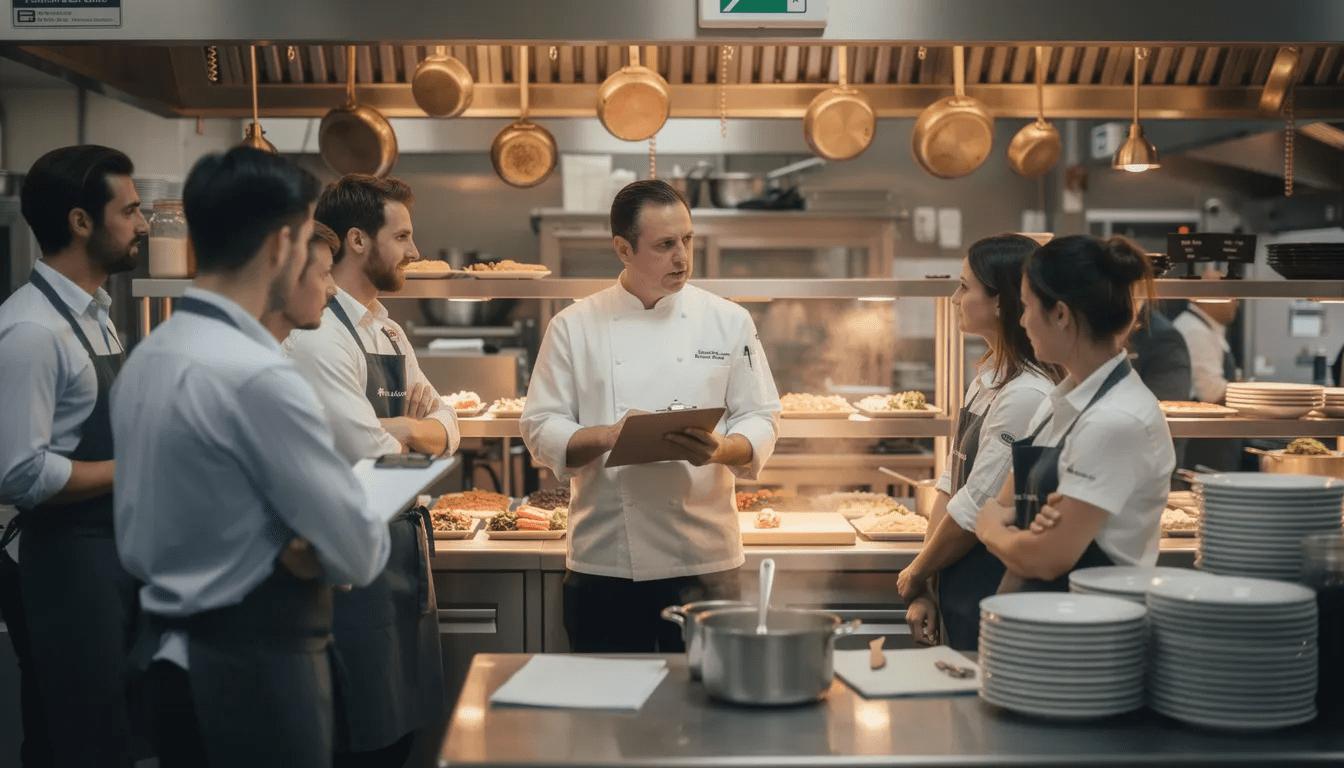
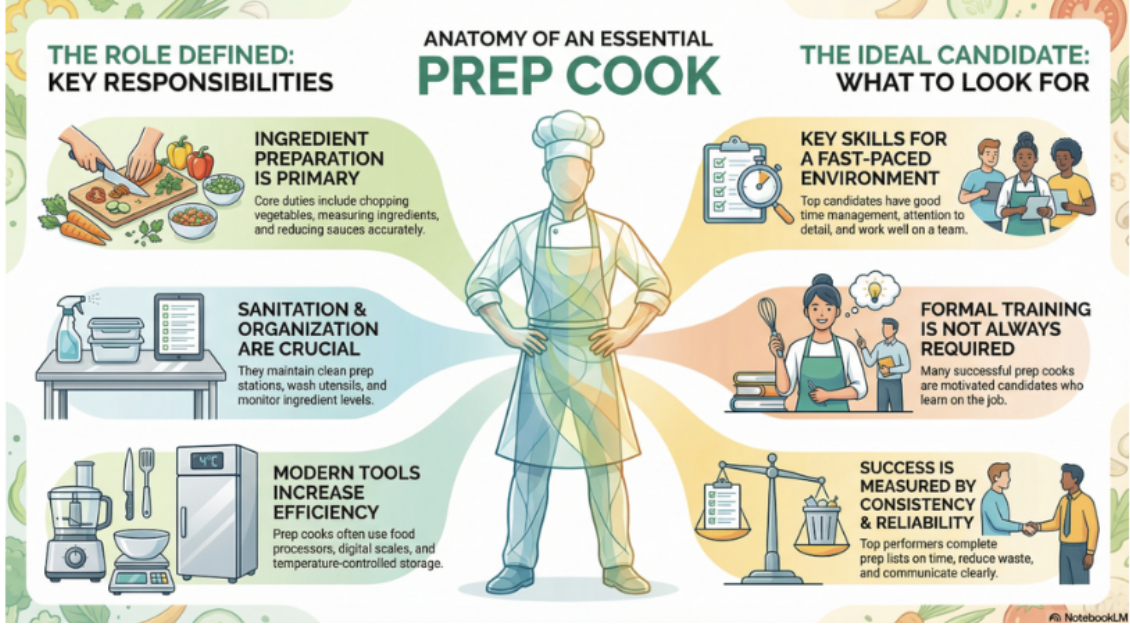
The prep cook role focuses on basic cooking duties and routine kitchen tasks. This includes chopping vegetables, measuring ingredients, washing produce, and keeping prep stations clean. Prep cooks also support line cooks and chefs by making sure ingredients are ready before service starts.
Prep cooks work in a fast-paced environment where timing and organization matter. Strong prep cooks follow prep lists closely, understand food safety rules, and maintain clean work areas. Their work directly impacts food quality, service speed, and guest satisfaction.
A well-written prep cook job description should clearly explain expectations around sanitation guidelines, proper food handling, and teamwork. Many restaurants also use tools like StaffedUp to post prep cook roles, review applicants, and keep kitchen hiring organized as teams grow.
Key Responsibilities and Skills
The prep cook job description should clearly outline daily responsibilities so candidates understand what the role involves before stepping into the kitchen. Prep cooks support the entire kitchen team by making sure ingredients, tools, and workstations are ready for service.
This role requires focus, consistency, and the ability to work quickly without sacrificing food safety or quality.
Core Prep Cook Responsibilities
Prep cook responsibilities typically include:
- Preparing ingredients such as vegetables, meats, and sauces
- Following prep lists and recipes accurately
- Assisting line cooks during service when needed
- Washing cooking utensils, cutting boards, and tools
- Cleaning and sanitizing prep surfaces
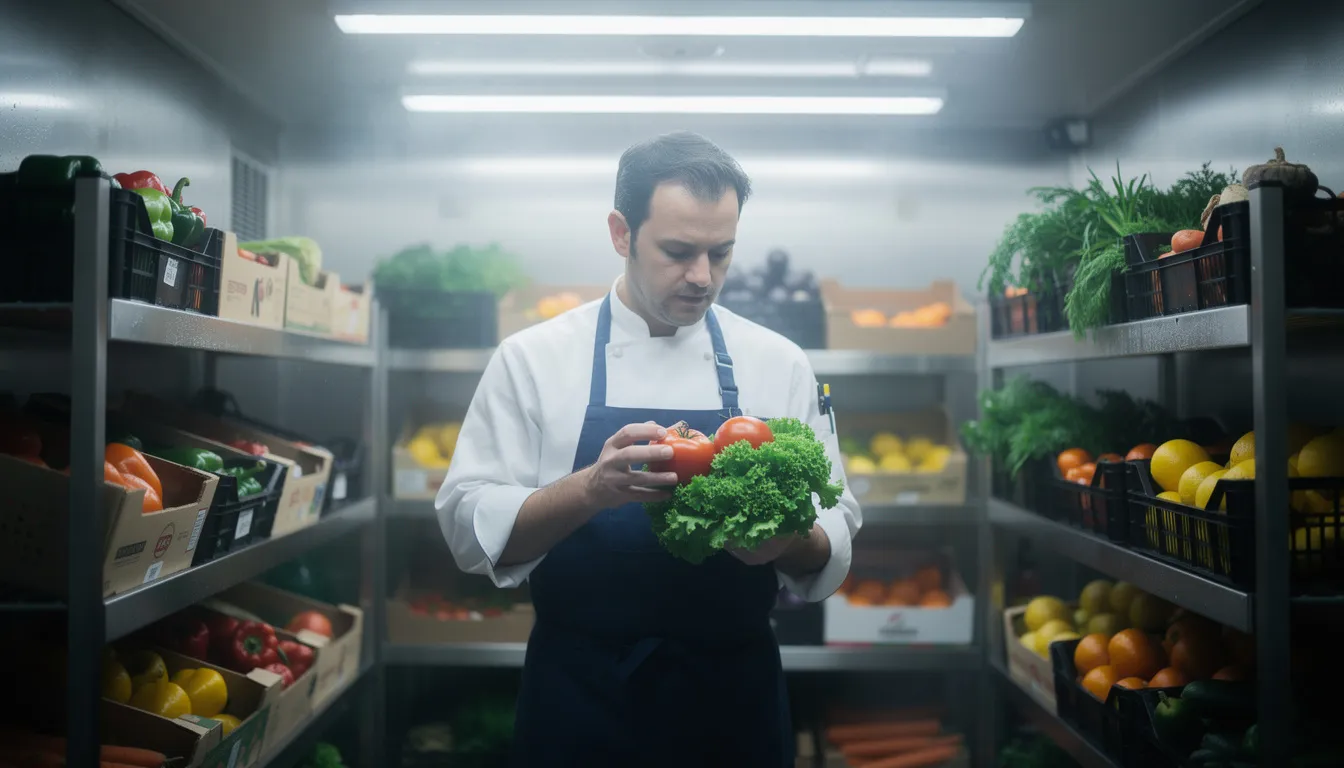
- Recording remaining produce and ingredient levels
These tasks help the kitchen stay organized and avoid delays during busy shifts.
Basic Cooking Duties
Prep cooks handle simple cooking tasks that support the menu.
Common duties include:
- Chopping, slicing, and dicing ingredients
- Measuring ingredients correctly
- Parboiling food
- Reducing sauces
Accuracy and consistency are important so dishes turn out the same every time.
Skills That Matter Most
Strong prep cooks usually have:
- Good time management
- Attention to detail
- Ability to follow instructions
- Comfort working in a fast-paced environment
- Willingness to support the team
Clear skill requirements help restaurants attract candidates who are ready for the pace of kitchen work. Many teams keep job expectations and applications organized using tools like StaffedUp to make hiring smoother and more consistent.
Emerging Kitchen Technologies and Tools
The prep cook job description has evolved as kitchens adopt new tools that help teams work faster and more consistently. Prep cooks today often use equipment that reduces manual work and improves accuracy during food preparation.
Understanding and using modern kitchen tools helps prep cooks stay efficient in a fast-paced environment.
Common Tools Used by Prep Cooks
Prep cooks may work with:
- Food processors and slicers
- Digital scales for measuring ingredients
- High-speed blenders
- Temperature-controlled storage units
These tools help reduce prep time while keeping food quality consistent.
Technology and Food Safety
Many modern tools support sanitation and safety standards.
This includes:
- Equipment designed for easy cleaning
- Temperature alerts to protect food quality
- Digital systems that track storage and prep times
Prep cooks must follow sanitation guidelines when using all equipment to avoid cross-contamination.
Training on New Equipment
Some kitchens provide training on new tools and systems.
This may include:
- Hands-on equipment training
- Updated prep procedures
- Food safety refreshers
Prep cooks who adapt quickly to new tools are often more valuable to the kitchen. Many restaurants track training and readiness more easily when hiring and onboarding are organized through tools like StaffedUp.

Creating a Comprehensive Job Description
A strong prep cook job description helps restaurants attract candidates who understand the pace, expectations, and structure of the kitchen. When job details are clear, applicants know what they are signing up for, which leads to better hires and less turnover.
Prep cook roles often move fast, so the job description should be direct and easy to scan.
What a Prep Cook Job Description Should Include
A complete prep cook job description should cover:
- Daily prep cook duties
- Required skills and experience
- Food safety and sanitation standards
- Physical demands of the role
- Typical schedule and shift expectations
Clear sections help candidates quickly decide if the role is a good fit.
Describing the Kitchen Environment
Candidates should understand where and how they will work.
Include details such as:
- Fast-paced kitchen setting
- Team structure with chefs and line cooks
- Emphasis on cleanliness and organization
This reduces confusion once a new hire starts.
Setting Clear Expectations Upfront
Clear expectations help prep cooks succeed faster.
Job descriptions should explain:
- Who the prep cook reports to
- How prep lists are managed
- Standards for food handling and sanitation
Restaurants that clearly outline expectations often onboard faster and avoid early issues. Many teams also keep job descriptions and applications in one place using tools like StaffedUp to simplify kitchen hiring.
Hiring and Optimization
Hiring the right prep cook helps kitchens stay organized, reduce waste, and keep service running smoothly. A clear prep cook job description supports better hiring decisions by setting expectations before interviews even begin.
Prep cooks play a major role in daily efficiency, so hiring with care matters.
What to Look for When Hiring a Prep Cook
Strong prep cook candidates often show:
- Basic cooking knowledge
- Ability to follow prep lists
- Comfort working in a fast-paced environment
- Attention to cleanliness and food safety
- Reliability and willingness to help the team
Formal culinary training is helpful, but not required for every kitchen. Many successful prep cooks learn on the job.
Assessing Fit During the Hiring Process
When evaluating candidates, consider:
- How they manage repetitive tasks
- Whether they follow instructions carefully
- Their attitude during busy situations
- Willingness to learn new kitchen tasks
Clear expectations during hiring help avoid misalignment later.
Optimizing Kitchen Operations With Prep Cooks
Prep cooks support efficiency when systems are clear.
Optimization may include:
- Organized shelves for easy access
- Clearly written prep lists
- Accurate measuring to reduce waste
- Clean and ready prep stations
Kitchen managers who support prep cooks with strong systems often see better service flow and fewer mistakes.
Many restaurants keep prep cook applications, notes, and interviews organized using tools like StaffedUp, which helps hiring move faster without cutting corners.
Work Environment and Physical Demands
The prep cook job description should clearly explain the work environment and physical demands of the role. Prep cooks work behind the scenes, but the job requires steady movement, focus, and stamina throughout the shift.
Prep cooks typically work in busy kitchens where timing matters. Prep often happens early in the day, during peak prep hours, or alongside live service. The environment can be loud, warm, and crowded, especially during high-volume periods.
Common physical expectations include:
- Standing for long periods
- Repeating tasks like chopping and slicing
- Lifting containers, produce, and supplies
- Moving quickly between prep stations
Prep cooks must stay alert and organized while working under time pressure. Cleanliness and safety are always part of the role, especially when handling sharp tools or hot surfaces.
Being upfront about physical demands helps candidates understand whether the role fits their abilities. Restaurants that clearly outline these expectations often see better attendance and fewer early exits. Many teams also manage role details and applications in one place using tools like StaffedUp to keep hiring clear and consistent.

Performance Expectations and Success Metrics
Strong kitchens set clear performance expectations for prep cooks. A well-written prep cook job description should explain how success is measured so employees know what good performance looks like.
Prep cook performance is often evaluated based on consistency and readiness for service.
Key success indicators may include:
- Completing prep lists accurately and on time
- Preparing ingredients to proper size and measurement
- Reducing food waste through careful prep
- Keeping prep stations clean and organized
- Communicating clearly with line cooks and chefs
Reliability is also a major factor. Prep cooks who show up on time, stay focused, and support the team during busy moments quickly become trusted members of the kitchen.
Clear expectations help prep cooks grow into their role faster and prepare for advancement. Kitchens that track performance, training, and attendance in one system often manage teams more smoothly. Many restaurants do this by keeping hiring and role management organized through platforms like StaffedUp.
FAQs: Prep Cook Job Description
What does a prep cook do during a shift?
Prep cooks prepare ingredients, follow prep lists, clean work areas, and support line cooks before and during service.
Is a prep cook an entry-level position?
Yes. Many prep cooks are new to the kitchen and gain experience that leads to other cooking roles.
Do prep cooks need culinary school experience?
Not always. Some kitchens prefer experience, while others train motivated candidates on the job.
What skills matter most for prep cooks?
Organization, time management, food safety awareness, and teamwork are key.
How can restaurants hire prep cooks faster?
Clear job descriptions and organized hiring help attract better candidates. Many teams use StaffedUp to manage prep cook hiring in one place.

Hire Smarter, Faster
StaffedUp simplifies hiring for restaurant & hospitality operators. Post your first job for $1.