
Manager Behavior: How It Makes or Breaks Hiring and Retention
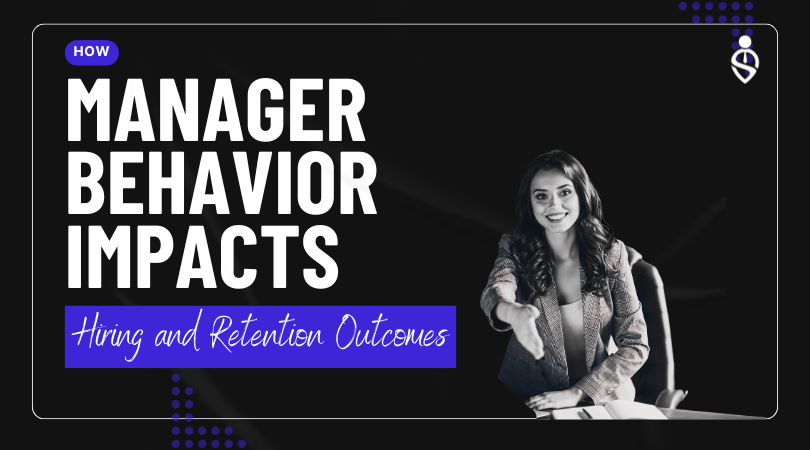
In hospitality, your front-line managers are far more than task delegators — they’re culture setters, retention influencers, and often the first reason someone accepts or declines a job offer. Manager behavior can make or break your hiring and retention outcomes, and in an industry where margins are thin and turnover is high, that’s not a soft issue — it’s a bottom-line one.
Here’s how the way your managers behave shapes everything from the interview to the long-term tenure of your team — and how to develop leaders who keep good people around.

Why manager behavior matters so much in hospitality
Hospitality runs on people, and people respond to leadership. Emotional intelligence often matters as much as technical skill, because your managers set the tone for every shift. A supported, well-led team delivers better guest experiences and stays longer; a poorly led one churns, drags down morale, and quietly costs you in service quality and rehiring. Manager behavior is the lever that sits underneath both your hiring success and your retention rate.
First impressions start with management
When candidates come in for an interview, they’re not just evaluating the job — they’re evaluating the leadership. A warm, respectful, communicative manager leaves a lasting impression and makes people want to join. Rigid, distracted, or dismissive interactions during hiring do the opposite, turning strong candidates away before they ever sign on.
That interview is a preview of your workplace culture. Candidates know it, and the best ones — who usually have options — read it closely. If your hiring managers don’t represent the kind of environment people want to work in, you’ll lose talent at the very first touchpoint, no matter how good the role or the pay.
Manager behavior drives daily retention
Once someone is on the floor, their manager becomes a daily influence on whether they stay or go. Consistent support, clear expectations, and empathetic leadership reduce burnout and lift job satisfaction. Micromanagement, unclear communication, and a lack of appreciation do the reverse — and they’re among the leading causes of high turnover.
The research backs this up. Gallup has famously found that around half of employees have left a job at some point specifically to get away from a manager — the origin of the saying that people don’t quit jobs, they quit managers. And study after study links effective managers to dramatically lower turnover intent: employees who feel well-led are far less likely to be job-hunting. That’s a retention metric you can’t afford to ignore.
Manager behaviors that push people away — and keep them
The difference between a manager who retains and one who repels usually comes down to consistent, observable habits.
Behaviors that drive turnover
- Micromanaging instead of trusting the team.
- Inconsistent or unclear expectations from shift to shift.
- Playing favorites or handling discipline unfairly.
- Ignoring good work — no recognition, no thanks.
- Being unavailable or dismissive when problems come up.
Behaviors that build loyalty
- Clear, consistent communication and expectations.
- Genuine, specific recognition of good work.
- Empathy and support during high-pressure shifts.
- Fairness in scheduling, discipline, and opportunity.
- Coaching people toward growth rather than just correcting them.
These same traits show up in our breakdown of what makes a great restaurant manager — and they’re far more teachable than most operators assume.
Train your managers like you train your staff
Many hospitality businesses pour energy into onboarding and training front-line staff but leave managers to figure leadership out on their own. If you want to improve hiring and retention, give managers the same investment. That includes:
- Training in emotional intelligence and communication
- Conflict-resolution techniques
- Coaching on how to give constructive, motivating feedback
- Clear hiring and onboarding frameworks so every manager runs the process consistently
- Guidance on spotting and preventing team burnout
When managers feel equipped and supported, they lead better — and that energy trickles down to every team member. Promoting from within helps too; team members who grow into leadership, like the path from server to supervisor, often bring the empathy and credibility that make great hospitality managers.
You can’t manage what you don’t measure
Manager behavior shouldn’t be left to chance or gut feel. Build feedback loops between employees and management — pulse checks, stay interviews, and open channels for concerns — so you can see which managers retain people and which ones drive them out. Pair that with a culture of accountability and praise: recognize the managers who lead well, and coach the ones who need it. Track retention and engagement by manager, and the patterns will tell you exactly where to focus. Treat manager behavior as the operational, bottom-line issue it is, not just an HR footnote.
It starts with hiring the right managers
The most effective way to improve manager behavior is to hire and promote the right leaders in the first place. Screening for emotional intelligence, communication, and cultural fit — not just operational experience — sets you up with managers who naturally retain teams. The right hiring tools make this easier: an applicant tracking system built for hospitality lets you build consistent, behavior-focused interview processes and gives your managers visibility into their talent pipeline, so they spend less time scrambling to fill gaps and more time leading. Hire better managers, support them well, and you reduce churn across the whole team.

The bottom line
Manager behavior is one of the highest-leverage factors in hospitality hiring and retention. It shapes the first impression a candidate forms, the daily experience that decides whether they stay, and the culture that defines your business. Invest in your managers the way you invest in your team — and hire the right ones from the start — and you’ll build a workplace people don’t want to leave. Post your first job on StaffedUp for $1 and start hiring stronger teams and leaders.
Frequently asked questions
How does manager behavior affect employee retention?
Significantly. A manager’s daily behavior — communication, fairness, recognition, and support — is one of the strongest predictors of whether employees stay. Poor management is among the most common reasons people quit, while effective managers dramatically lower the odds of someone leaving.
Why do employees leave their managers?
Common reasons include micromanagement, unclear or inconsistent expectations, unfair treatment, lack of recognition, and feeling unsupported. Gallup’s research found that a large share of employees have left a job specifically to get away from a manager.
How does manager behavior impact hiring?
The hiring manager is a candidate’s first preview of your culture. Warm, respectful, well-organized interactions attract talent, while rigid or dismissive ones turn strong candidates away before they accept — making manager behavior a key factor in whether you win good hires.
How can I improve my managers’ leadership?
Train them the way you train staff: invest in communication and emotional intelligence, conflict resolution, feedback coaching, and consistent hiring and onboarding frameworks. Then measure retention and engagement by manager so you can recognize strong leaders and support those who need development.
What manager behaviors cause high turnover?
Micromanaging, inconsistent expectations, favoritism, ignoring good work, and being unavailable during problems are leading drivers of turnover. Replacing them with clear communication, fairness, recognition, and genuine support is what keeps teams intact.

Hire Smarter, Faster
StaffedUp simplifies hiring for restaurant & hospitality operators. Post your first job for $1.