
How to Get Experience in the Restaurant Industry: A Step-by-Step Guide for 2026
Entering the restaurant industry can open the door to an exciting and rewarding career. Whether your dream is to become a chef, bartender, general manager, or eventually own your own restaurant, gaining real-world experience is the first and most important step. But if you’ve never worked in hospitality before, knowing how to get experience in the restaurant industry can feel overwhelming.
The good news? With a little strategy, patience, and the right tools, anyone can build a strong foundation and stand out to hiring managers. This guide will walk you through practical ways to gain restaurant experience in 2026 — from landing your first entry-level job to building long-term industry relationships that can lead to management and ownership opportunities.

Why Restaurant Experience Matters More Than Ever
In a competitive hospitality job market, employers are looking for candidates who understand the fast-paced environment of food service. Experience matters because it demonstrates your ability to multitask, communicate, and adapt under pressure — skills that are essential in every restaurant role.
According to the National Restaurant Association, nearly 50% of new hires in restaurants are filling positions for the first time. This means there’s an enormous opportunity for individuals without prior experience — if you know how to stand out and get started.
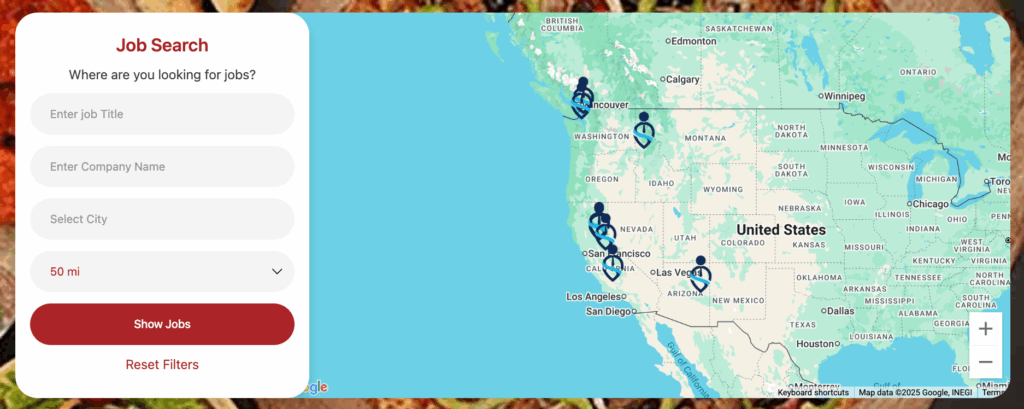
If you’re new to the industry, StaffedUp can help you connect with restaurants hiring for entry-level positions across the country. Our platform was designed specifically for hospitality hiring — making it easy to apply to multiple openings, track your progress, and communicate directly with hiring managers.
Keeping it all within one platform allows you to cast a wide, but effective net in finding your next role.
Start with Entry-Level Restaurant Jobs
If you’re asking how to get experience in the restaurant industry, the best answer is: start anywhere you can.
Restaurants are built on teamwork. Entry-level roles like host, dishwasher, or busser may not sound glamorous, but they’re the foundation of how a restaurant operates. These positions teach you how to work efficiently, support your teammates, and understand the flow of service — skills that translate to every other job in hospitality.
Common entry-level restaurant jobs to start with:
- Host or hostess: Learn guest relations and reservation management.
- Busser or food runner: Develop attention to detail and timing.
- Dishwasher: Understand kitchen operations and teamwork.
- Barback: Support bartenders and gain exposure to beverage service.
- Cashier or counter attendant: Learn customer service and POS systems.
Pro tip: Many managers started in these same roles. The best way to grow in hospitality is to be reliable, communicate clearly, and show initiative — the rest will follow.
👉 Ready to find your first restaurant job (or your 20th)? Search open hospitality positions on StaffedUp to connect with employers hiring now.
Enroll in Culinary School or Take Hospitality Classes
For those who want to specialize — especially in the kitchen — formal training can help you gain technical skills faster. Culinary programs, trade schools, and even community colleges offer short-term certificates or associate degrees focused on restaurant management, culinary arts, or baking and pastry.
These programs often include internships or externships in real restaurants, which are a great way to get hands-on experience and make industry connections.
If you’re not ready to commit to a full program, start with a few classes or workshops. Topics like knife skills, menu costing, or customer service management will make your resume stand out and give you confidence when applying for jobs.
Network with Industry Professionals
In the restaurant world, who you know matters as much as what you know.
Building connections can lead to unexpected opportunities — a referral for a management position, a catering side job, or even an introduction to a potential mentor.
Ways to network effectively in hospitality:
- Attend local restaurant association events or food festivals.
- Follow local restaurant owners and chefs on social media and engage with their content.
- Join online hospitality groups or StaffedUp’s social hiring community.
- Introduce yourself to staff at restaurants where you’d love to work.
A quick message saying, “I admire what you’re doing here. If you ever need help, I’d love to learn from your team,” goes a long way.

Work in Different Types of Restaurants
Experience in one type of restaurant doesn’t always translate to another. Working across different concepts gives you perspective, builds your adaptability, and helps you figure out which environment fits your personality best.
Try to gain experience in:
- Quick-service restaurants (QSRs): Great for learning speed and systems.
- Casual dining: Teaches teamwork and customer relations.
- Fine dining: Builds attention to detail and professional etiquette.
- Catering or events: Enhances organization and time management skills.
- Bars or breweries: Improves multitasking and guest engagement.
Each type of restaurant teaches unique skills — and that range of experience makes you more attractive to future employers.
Leverage Online Tools and Digital Learning
You don’t have to wait until you land a job to start learning. In 2026, there are hundreds of online resources created specifically for hospitality workers.
Recommended resources to build restaurant knowledge:
- YouTube channels like Gordon Ramsay and Restaurant Owner TV for practical insights.
- Podcasts like The Restaurant Coach or Hospitality Daily.
- Industry blogs, including StaffedUp’s weekly hiring and operations insights.
- Online certifications in customer service, food safety, or management.
Combine these resources with real-world experience, and you’ll quickly build a professional foundation that employers notice.
Find a Mentor in the Restaurant Industry
A mentor can help guide your growth, connect you with opportunities, and provide advice you won’t find in any classroom. Many successful restaurant managers attribute their careers to a mentor who believed in them early on.
How to find a mentor:
- Identify people whose careers you admire — maybe a chef, GM, or owner.
- Reach out politely and express your genuine interest in learning from them.
- Offer to assist with projects or events in exchange for advice or feedback.
Most industry veterans are happy to share what they’ve learned — they just want to see your commitment first.

Focus on Customer Experience
Hospitality is about people. Whether you’re taking orders, preparing food, or managing a dining room, your ability to create positive guest experiences will define your success.
Tips to improve your customer service skills:
- Practice active listening with guests.
- Stay calm under pressure — every shift teaches patience.
- Learn to anticipate needs before customers ask.
- Use positive body language and eye contact.
- Always end interactions on a friendly note.
These soft skills are what make great employees stand out. When you pair excellent service with reliable work habits, your managers will take notice — and promotions will follow.
Understand Restaurant Operations and Metrics
If you want to move into management someday, it’s important to understand how restaurants operate behind the scenes.
Key restaurant metrics to learn:
- Labor cost percentage: Staff wages compared to total sales.
- Food cost percentage: Ingredient costs relative to menu pricing.
- Table turnover rate: How efficiently tables are seated and cleared.
- Guest satisfaction scores: Feedback that impacts repeat business.
Learning the “business” side of hospitality sets you apart from other candidates. StaffedUp’s employer blog regularly shares tips on improving hiring, operations, and labor management — a great resource to expand your knowledge even as an entry-level worker.
Volunteer or Take Temporary Restaurant Gigs
If you’re struggling to get hired with no prior experience, volunteering or working temporary events can help build your resume.
Ideas to gain experience quickly:
- Volunteer at food festivals, fundraisers, or community dinners.
- Work part-time at catering companies or local cafes.
- Apply for temporary hospitality roles through StaffedUp’s job board.
Even a few weeks of work shows employers that you’re serious about the industry and gives you real references to list on your next application.

Build Your Personal Brand as a Hospitality Professional
Treat your restaurant career like a business. Building a personal brand helps you stand out and shows professionalism.
Steps to build your brand:
- Keep your resume and online profiles up to date.
- Use a professional photo and bio on StaffedUp.
- Share your milestones — promotions, certifications, or new skills — online.
- Ask former coworkers or managers for testimonials.
When an employer searches for your name, you want them to see passion, reliability, and growth.
Stay Consistent and Keep Learning
The restaurant industry rewards consistency. Show up on time, stay organized, and treat every shift like an opportunity to learn something new. Every great restaurant professional — from executive chefs to GMs — started somewhere small.
It’s also important to stay updated on industry trends. In 2026, topics like digital scheduling, automated hiring, and AI-driven customer analytics are reshaping how restaurants operate.
Following industry publications and platforms like StaffedUp helps you stay informed about how technology is influencing restaurant hiring and management — and prepares you for the next stage of your career.
Final Thoughts: Turning Experience Into a Restaurant Career
Getting experience in the restaurant industry takes patience, persistence, and a willingness to learn. Start small, focus on growth, and don’t be afraid to take jobs outside your comfort zone. Every position teaches you something valuable — from leadership to time management to empathy.
As you gain experience, you’ll find that hospitality isn’t just a job; it’s a career that rewards hard work, creativity, and connection. Whether your goal is to manage multiple restaurant locations or open your own spot, every shift gets you one step closer.
If you’re ready to start, explore open positions on StaffedUp — the hiring platform built for restaurants and hospitality professionals. Apply fast, connect directly with managers, and start building your career in hospitality today.

Hire Smarter, Faster
StaffedUp simplifies hiring for restaurant & hospitality operators. Post your first job for $1.