Visual assets help speed up decision-making by allowing candidates to understand roles, culture, and expectations before applying.
Clear, well-structured job listings reduce wasted time by preventing misaligned applicants and early drop-outs, saving managers from unnecessary interviews.
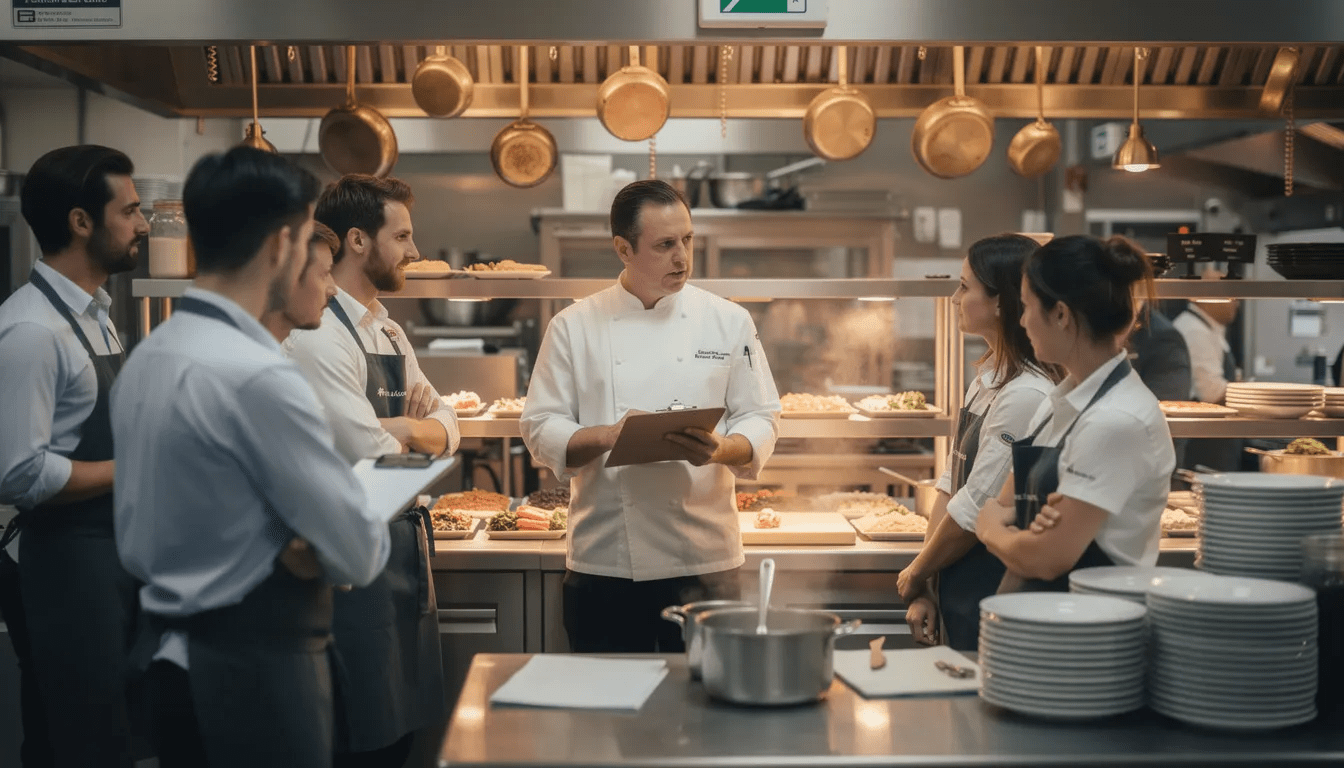
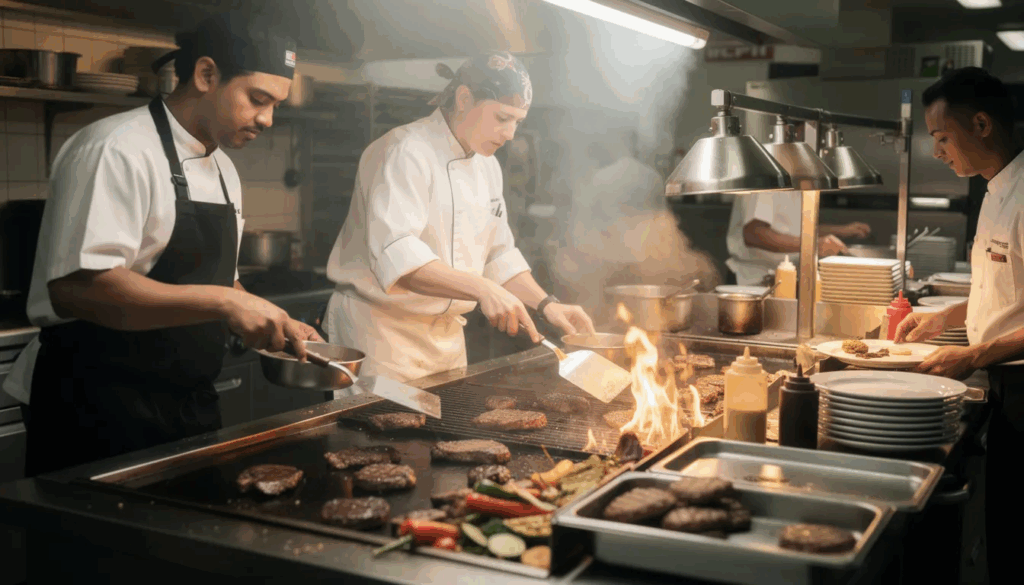
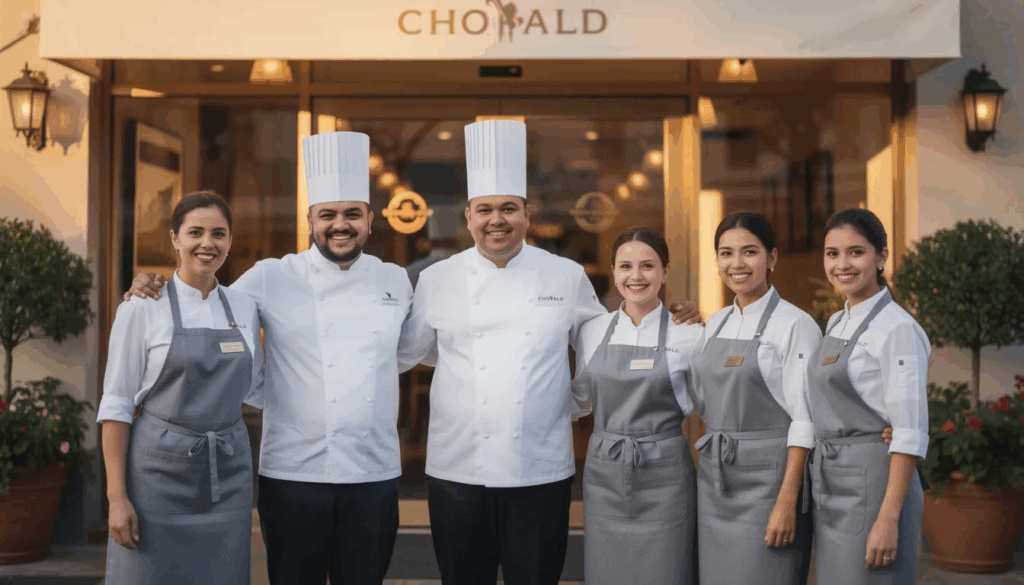
Sharing real photos of your workplace and staff gives candidates a sense of your environment and culture.
Videos or snapshots of actual shifts set realistic expectations for roles and ensure new hires can hit the ground running.
Consistent, visually cohesive job posts and applications show that your business is organized and reliable, increasing candidate engagement and follow-through.
Visual pre-screening tools save managers hours by reducing no-shows and repetitive scheduling, enabling them to quickly focus on the right talent.
With video content dominating the internet, hospitality managers need to consider how they can use visuals to improve their processes. Because these days, how your hiring looks matters almost as much as what you’re offering.
Most applicants don’t read every word of your job board posts or follow-up communications. They scan, judge quickly, and they decide whether to apply or follow through based on how easy the content is to absorb and understand.
That’s where visual hiring assets come in. They help you show what working with you is actually like, reduce confusion, and cut down wasted time on both sides.
Your job listing is often your first impression, and as we all know, first impressions count. A long block of text, poorly spaced or crammed onto a mobile screen, is enough to lose a good candidate before they even reach the apply button.
Conversely, a well-structured listing makes the entire job listing easy to understand at a glance. Clear headings, short sections, and sensible spacing help people quickly see the role, location, pay expectations, and shift type. This matters because most applicants are scrolling on their phones, often between shifts or during breaks.
When a listing looks organized and intentional, it subtly tells candidates that the business behind it is too. You tend to get fewer random applications and more people who actually understand what they’re applying for, which saves you time later.
Real Photos Of Your Workplace & Team
In hospitality, especially, candidates want to know what the work environment and culture are like before they commit.
A few genuine photos of your space can do more than paragraphs of description. Showing the dining room, kitchen, bar, or front-of-house setup helps applicants picture themselves there. Team photos matter too, because they hint at culture, pace, and how people interact on shift.
This doesn’t need to be polished or staged. In fact, slightly imperfect photos often work better because they feel honest. If a candidate recognizes the space before their first shift, they arrive more comfortable, more prepared, and far less likely to drop out early.
A Visual Snapshot Of What The Role Is Really Like
One of the biggest frustrations in hospitality hiring is when someone quits after a few days because the job wasn’t what they expected. Visual role previews help prevent that.
Whether it’s a short video, a few photos with captions, or a simple visual walkthrough of a typical shift, this asset shows the reality of the role. The pace, teamwork, and physical side of the job are hard to explain properly in text.
When people can see the role clearly, the right candidates lean in and the wrong ones quietly move on. This alone reduces early turnover and awkward conversations later.
Consistent Visual Employer Branding
Employer branding sounds like a corporate concept, but in practice, it’s just about consistency. When your job posts, application pages, and hiring communications all look connected, candidates feel reassured.
Simple things like consistent colors, logos, tone, and layout create the sense that your business is established and organized, and that matters more than people realize. Candidates are more likely to follow through, show up for interviews, and communicate properly when the process feels professional from start to finish.
In a competitive hiring market, small signals of credibility can be the difference between someone choosing your role or the one down the road.
Visual Pre-Screening That Saves Everyone Time
Traditional screening methods don’t always suit hospitality, as CVs can be misleading, phone tag wastes time, and no-shows are frustratingly common.
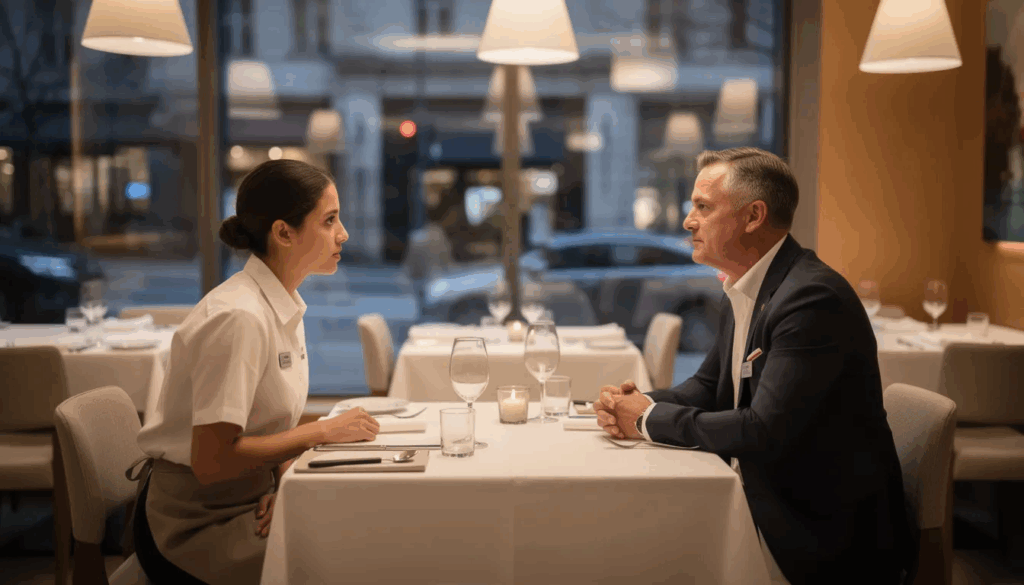
Visual pre-screening helps bridge that gap by letting you see and hear candidates early, without the scheduling headaches. It gives insight into communication style, confidence, and attitude; all of which matter hugely in customer-facing roles.
StaffedUp’s one-way video interviews allow employers to send links for applicants to record their first interview on their time, so employers can review the interview on their end. This means there’s no more back and forth, no more no shows, no more time wasted. For growing teams, this can shave days off the hiring process while improving decision-making.
A Simple, Visual Application Experience
Even the strongest job listing won’t help if applying feels like hard work. Hospitality candidates apply quickly and expect the process to respect their time. They’re also far more likely to finish it if they know how long it will take them.
A well-designed infographic that outlines the application process is a great way to reassure people that it won’t get complicated and to provide expected timelines for each stage. You can also include other visual elements, such as progress bars that show how far along candidates are.
A smooth application experience also sets the tone for what working with you will be like. It shows that your establishment is efficient, respectful, and straightforward, which is exactly how most people want their shifts to run, too.
Making Visual Hiring Assets a Priority For Growing Hospitality Teams
Successful hiring in hospitality requires finding people who fit your pace, your standards, and your team dynamic, and doing it all without burning out managers in the process.
Visual hiring assets help set expectations early, filter better candidates, and reduce wasted time on interviews that were never going to work. They also reflect how your business operates day to day, which builds trust before someone ever steps through the door.
Platforms like StaffedUp simplify this by automating job board posts, pre-filtering candidates, and reducing time-to-hire, making visual hiring part of a faster, smarter system rather than extra work.
When you show candidates who you are, rather than just telling them, hiring becomes clearer, quicker, and a whole lot more effective.
For decades, walk-in interviews were the go-to option for hiring in restaurants, bars, cafés, and hospitality venues. A sign in the window, a stack of printed résumés, and candidates turning up mid-service hoping to speak to a manager were the norm. The process felt fast, informal, and practical, especially in an industry built on immediacy.
But the way hospitality businesses operate has changed. And so have job seekers.
Now, many restaurant owners and managers are debating the merits of walk-in interviews, whether they’re taking up too much time and resources, and what better options are available.
The short answer is that while walk-ins haven’t disappeared entirely, they’re no longer the most efficient or effective way to hire. Online or virtual interviews are quickly becoming the smarter choice for hospitality teams.
The Problem With Walk-In Interviews
At first glance, walk-in interviews seem convenient. You meet the candidate face-to-face, get a feel for their personality, and make an on-the-spot decision. But in practice, these interviews often create more problems than they solve.
Just some of the issues they pose include:
Interrupting Service
In hospitality, timing is everything. Walk-in candidates often arrive during prep, peak service, or shift change. Managers are then forced to choose between the floor and the interview, and neither gets their full attention.
Limiting The Talent Pool
Walk-in interviews only attract candidates who live nearby, have flexible schedules, and feel confident showing up unannounced. That immediately excludes great applicants who are currently employed, juggling multiple jobs, or commuting from further away.
Reliant On Chance, Not Strategy
With walk-in interviews, hiring decisions become reactive instead of intentional. You’re hiring the one who shows up, not necessarily the candidate who’s best for the role. Often, decisions are made under pressure and lack proper planning.
Time Wasting
Many walk-in interviews go nowhere for various reasons. Some candidates turn out not to be qualified or lack the experience needed for the role, others never follow up, and some don’t show up for their first shift.
In an industry already stretched thin for time, this approach is increasingly inefficient.
Face-to-Face Interviews Aren’t Always The Best Option
Even when scheduled, in-person interviews pose challenges in hospitality hiring.
Managers often spend hours coordinating availability, only for candidates to cancel or not show up. Subsequent rescheduling then means more emails, more calls, and more time lost. When you’re hiring for multiple roles at once, that time adds up fast.
Face-to-face interviews also require both parties to be available at the same time, which isn’t always realistic in an industry built around shifts, peak service hours, and unpredictable schedules.
Even when interviews do happen, they’re often rushed or interrupted by unexpected events such as an understaffed shift, a sudden rush, a delivery issue, or a customer concern, making it difficult for either side to fully engage or make a fair assessment.
The Shift Toward Virtual Hiring in Restaurants & Hospitality
Virtual hiring removes many of these pain points.
Instead of asking candidates to come to you, you meet them where they already are, on their phone or laptop, on their own time. This is where StaffedUp’s one-way video interviews are invaluable. These interviews allow you to send links to applicants so they can record their first interview at their convenience. You can then view the recording when it suits you, with no back-and-forth, no shows, and no time wasted.
Since the pandemic, virtual communication has become the norm rather than the exception, and hiring is no different. Virtual interviews allow both sides to engage when it suits them without disrupting service or daily responsibilities. This shift doesn’t remove the human element; instead, it uses technology to make better use of everyone’s time.
Advantages of Virtual Interviews
For restaurant and hospitality employers, virtual hiring offers several key advantages:
Access to a Much Larger Talent Pool
When you rely on walk-in interviews, you’re limited to whoever happens to walk through your door. With virtual hiring, you can reach:
Candidates who are currently employed and can’t interview mid-shift
Applicants who live further away but are willing to commute
Students, caregivers, or people with limited availability
Seasonal workers planning ahead
This broader reach is especially valuable in competitive labour markets where good hospitality staff are hard to find.
Convenience for All Parties
Hospitality schedules are unpredictable, but virtual hiring works around that reality. Candidates can apply and interview outside of service hours, without rushing, commuting, or taking time off from another job. As an employer, you can review candidates between shifts, after service, or whenever it suits your schedule.
Major Time Savings for Managers
With virtual tools such as one-way video interviews, the first interview can happen without live interaction. This means you only spend time on candidates who’ve already shown effort, interest, and communication skills.
Better First Impressions, Less Bias
One surprising benefit of one-way video interviews is consistency. Because every candidate answers the same questions, you can compare responses fairly, without the distractions of a busy dining room or rushed conversation.
You also get a clearer sense of candidates:
Communication skills
Attitude and professionalism
Energy and personality
How seriously the candidate takes the role
This makes the next step, whether it’s a live video call or an on-site trial shift, far more productive.
Demonstrates Basic Tech Readiness
From digital scheduling and POS systems to online training and team communication tools, tech confidence matters. Virtual hiring helps identify candidates who are comfortable with the newer ways of working and with technology.
These are increasingly important skills in hospitality roles, and highlight which candidates are better prepared for tech-enabled workplaces.
Fewer No-Shows, Better Commitment
One of the biggest frustrations in hospitality hiring is no-shows, both for interviews and on the first shift. However, virtual hiring helps filter out low-commitment candidates early.
If someone can’t take a few minutes to record a one-way interview, they’re unlikely to show up reliably for shifts. Candidates who do complete the interview are already more invested in the role. This is also a good indication of retention potential, as those who are invested won’t just up and leave.
The Future of Hospitality Hiring
While walk-in interviews can still work, they’re no longer the best option for most restaurant and hospitality businesses.
Virtual hiring and tools like StaffedUp’s one-way video interviews give you more control, better candidates, and far less wasted time. This streamlines the hiring process so you can focus on running your business instead of chasing interviews.
Restaurant hiring in 2025 is fiercely competitive, with turnover rates reaching 70-100% annually—but a structured hiring process, strong employer brand, and smart onboarding can cut time-to-hire by 30-50% and dramatically improve retention.
Specialized hiring platforms like StaffedUp help restaurants post jobs faster, communicate with candidates via text, and track applicants in one place, giving operators an edge in high-turnover industries.
Clear employer branding that honestly showcases pay, perks, and growth opportunities matters as much as the wage itself when attracting Gen Z and millennial workers who want more than just a job.
Structured onboarding with specific goals, assigned buddies, and regular check-ins during the first 90 days reduces early quits and turns new hires into long-term team members.
The article closes with concise, restaurant-specific FAQs covering how long hiring should take, where to post jobs, and how to reduce turnover for good.
Your Restaurant’s Future Starts With Who You Hire
Labor shortages and constant turnover have made restaurant hiring one of the most critical responsibilities for any owner or GM in 2025. When 73% of your team might leave within a year—and you’re competing against gig apps, warehouses, and the restaurant down the block—getting hiring right isn’t optional. It’s survival.
This guide is written for restaurant owners, franchisees, multi-unit operators, and hiring managers working in fast casual, QSR, and full-service concepts. Whether you’re opening a new location in Dallas, staffing up for summer tourism in Orlando, or replacing a sudden GM departure in Phoenix, the principles here apply. Restaurant hiring challenges and opportunities exist across the entire country, from coast to coast.
Here’s the reality: turnover in full-service restaurants often exceeds 70-100% annually. Seasonal spikes create staffing crunches. Rising wages mean you’re fighting for the same talent as everyone else. Hiring needs can vary significantly by region, with differences between urban and rural areas or between different states. The good news? By tightening your hiring process, upgrading your employer brand, and using better tools, you can staff more reliably and stop living in constant “Help Wanted” mode.
If you’re ready to bring order to the chaos, platforms like StaffedUp are built specifically for restaurants and high-turnover industries—automating posting, screening, and scheduling so you can focus on running your business. These tools help create a more organized and supportive space for both managers and candidates, improving the hiring experience.
Understanding Today’s Restaurant Hiring Landscape
The restaurant labor market has fundamentally shifted since 2020. Worker expectations have changed. Competition has intensified. And the old playbook of posting a sign in the window and hoping for walk-ins doesn’t cut it anymore.
What’s different now:
Candidates expect predictable, flexible schedules and will walk if you can’t provide them
Mental health awareness and work-life balance matter more to younger workers
Fast response times are essential—strong candidates expect replies within 24-48 hours
Gen Z (70% prefer part-time) wants growth opportunities, not dead-end positions
Gig work from DoorDash, Uber Eats, and Instacart offers immediate, flexible income that restaurants must compete against
The hiring needs also differ by concept. QSR and fast casual prioritize speed and volume—you need reliable people who can handle repetitive tasks under pressure. Full-service restaurants need servers with wine knowledge, guest engagement skills, and the ability to upsell 15% on average check. Understanding your specific needs shapes everything from job posts to interview questions.
Employers who use digital tools—centralized applicant tracking, text-based communication, and job post distribution through platforms like StaffedUp—have a measurable edge. They respond faster, lose fewer candidates to competitors, and spend less time on admin work that doesn’t move the needle.
Defining the Roles You Need: Front-of-House, Back-of-House, and Leadership
Clearly defined roles and expectations reduce mis-hires and speed up your hiring process. Before you post a single job, get crystal clear on what you actually need.
Back-of-House Careers: line cooks, prep cooks, dishwashers, expos, bakers
Leadership Roles: shift leads, assistant managers, general managers, district leaders
For each category, you need individuals who are responsible for specific duties and outcomes. Define core responsibilities in plain language, required skills, and realistic pay structures. A line cook in Chicago or New York typically earns $15-20/hour as of 2025, while servers in high-volume concepts can earn significantly more with tips.
Leadership hiring deserves special attention. These are the culture carriers who will reduce turnover, build systems, and mentor younger staff. Don’t rush these hires—a bad manager costs you far more than an empty position.
Front-of-House Roles: Your Restaurant’s Public Face
FOH employees often determine whether guests return. Their service, speed, and attitude shape every review, every tip, and every repeat visit.
Key FOH positions:
Server: Takes orders, delivers food, manages 6-8 tables simultaneously, handles payments, upsells menu items, and is responsible for serving guests with professionalism and care to ensure a positive dining experience.
Bartender: Mixes drinks, manages bar guests, maintains inventory, often serves as a host overflow during rushes
Host: Greets guests, manages reservations and waitlist, sets the first impression
Cashier/Counter: Handles transactions, answers questions, keeps the line moving in QSR settings
Drive-thru Team Member: Takes orders quickly, handles payments, maintains accuracy under pressure
When hiring FOH, look for communication skills, comfort with strangers, and the ability to handle multiple tasks during Friday and Saturday rushes. Basic math for payments matters. So does eye contact and genuine warmth.
Job descriptions for FOH roles should specify peak hours—nights, weekends, and holidays like Mother’s Day and New Year’s Eve—plus tip expectations. Honest details attract candidates who will actually show up and stay.
Back-of-House Roles: Consistency Behind the Scenes
BOH quality and speed drive your reviews, ticket times, and food costs—even though guests rarely see this team. A strong back of house is the foundation of every successful restaurant.
Primary BOH positions:
Line Cook: Executes dishes during service, maintains station cleanliness, handles 100+ covers per shift in busy restaurants
Prep Cook: Prepares ingredients before service, follows recipes precisely, manages prep lists with deadlines
Dishwasher: Keeps dishes, equipment, and the kitchen clean—often the unsung hero of the operation
Pastry/Baker: Creates desserts, breads, and baked goods with consistency and creativity
Kitchen Supervisor/Expo: Coordinates orders, ensures quality, manages communication between FOH and BOH
Be honest about BOH work conditions in your job posts. The work involves heat, standing 6-8 hours, lifting 25-50 pounds, and operating in tight spaces during dinner rush. Candidates who know what they’re signing up for are more likely to stay.
Screen for reliability, knife skills, recipe-following ability, and safe food handling. Certifications like ServSafe or local health requirements (Chicago, New York, and other major cities have specific mandates) should be clearly stated.
Clear BOH job postings and fast communication through a single hiring tool like StaffedUp prevent chronic understaffing on the line—a problem that snowballs into burnout, turnover, and bad reviews.
Management and Leadership Roles: Culture and Consistency
Managers and shift leads set the tone for retention, training, and guest experience across every shift. When your restaurant manager creates a positive environment, employees stay longer and guests notice the difference.
Leadership job descriptions should clearly state performance expectations: sales targets, labor cost goals (typically under 30% of sales), guest satisfaction benchmarks, and timeline for promotion. Vague descriptions attract vague candidates.
Leadership candidates can come from internal promotions or external hires. Building an internal pipeline—server to trainer to shift lead to assistant manager—creates loyalty and ensures you’re not scrambling when a GM resigns.
Using StaffedUp to track applicants and notes helps maintain a talent pipeline for future management openings, so you’re prepared instead of panicked when positions open.
Building an Employer Brand That Attracts the Right Candidates
Your employer brand is how it feels to work at your place compared to the competition down the street. In a people business like restaurants, this matters enormously.
Include employee stories in your hiring materials. The line cook who became a GM in three years. The server who used flexible schedules to attend community college. These stories showcase each employee’s journey within your restaurant, highlighting both personal and professional development. Real stories create real connection.
When presenting your culture, describe it as inclusive, team-oriented, safety-conscious, and respectful—but make sure it’s true. Candidates can smell inauthenticity, and broken promises create the turnover you’re trying to avoid.
Cross-post your employer story on your restaurant website, social media, in-store signage, and job listings via platforms like StaffedUp for consistent messaging across every touchpoint.
Showcasing Pay, Perks, and Growth Honestly
Today’s candidates value transparency about pay and scheduling more than vague promises. They’ve heard “competitive wages” and “great culture” before. They want details.
What to highlight in job posts and careers pages:
Hourly wage ranges (not “DOE”—give real numbers)
Tip averages on busy nights
Average weekly hours and shift lengths
Typical time-to-promotion for strong performers
Non-traditional perks also attract candidates:
Staff meals during shifts
Shift drinks where legal
Early access to earned wages through tools like Paylocity
“Growth” should be described with concrete pathways. For example: new hires can become trainers in 6 months and assistant managers within 18-24 months if they hit measurable goals. This attracts people who want a career, not just a position to fill until something better comes along.
Hiring tools like StaffedUp allow employers to keep these details consistent across all job boards, saving time and reducing confusion for applicants who see your posts in multiple places.
Creating a “Life at Your Restaurant” Snapshot
Candidates often decide in seconds if a workplace looks like a fit based on photos, language, and tone. Give them something real to evaluate.
What to include:
Real photos of team members on the line, at pre-shift meetings, or celebrating wins (with permission—avoid stock photos)
Short quotes from actual employees about why they stay
Realistic but positive language about pace (“fast-moving Fridays,” “packed brunch weekends”)
This “Life at Our Restaurant” content should live on your hiring page and be reflected in job postings distributed via StaffedUp. Candidates who self-select out after seeing the reality save everyone time. Candidates who self-select in arrive ready to work.
Keep the layout simple and clean with a brief intro and short paragraphs. Busy owners should be able to update it at least once a year without hiring a designer.
Writing Effective Restaurant Job Descriptions
A clear, specific job post cuts down on unqualified applicants and improves interview show-up rates. Generic posts attract generic (or wrong-fit) candidates.
Use concrete examples: “handle 6-8 tables at once,” “prep and portion recipes for 150 covers per night,” “stand and walk for up to 8 hours.” These details help candidates self-assess their fit.
Include your restaurant’s culture in 1-2 lines: scratch kitchen, family-owned since 2010, high-volume national brand with strong training programs. This context helps candidates choose you.
Using a centralized hiring platform like StaffedUp lets employers save and reuse proven job description templates, updating small details rather than writing from scratch each time a position opens.
Front-of-House Job Posting Essentials
FOH posts should attract outgoing, reliable people who enjoy guest interaction and thrive in fast-paced work.
Include in every FOH posting:
Expected number of guests per shift
Tip structure (pooled vs. individual)
POS system used (many candidates prefer systems they already know)
Typical shift lengths (4-8 hours)
Peak days and times (weekends, holidays, special events)
Use friendly, clear language. Avoid restaurant jargon that might scare off candidates from retail or customer service backgrounds who could excel in FOH roles.
Specify traits: “comfortable talking to strangers,” “can handle multiple tasks at once,” “calm under pressure during weekend rushes.” These descriptions help the right people see themselves in the role.
FOH positions should have a clear “apply in minutes” call-to-action, directing candidates to a simple application form hosted or integrated through a tool like StaffedUp.
Back-of-House Job Posting Essentials
BOH job descriptions should be honest about physical demands and skill requirements while still selling the positive aspects—teamwork, creativity, learning, and the satisfaction of a well-executed service.
Include specific duties:
Following recipes with precision
Maintaining station cleanliness throughout service
Logging temperatures for food safety
Handling prep lists with set deadlines
Working specific equipment (flat-top grill, fryers, combi ovens, pizza deck ovens)
State required certifications (ServSafe, local food handler card) with renewal timelines. This filters out candidates who can’t meet legal requirements before you waste time interviewing them.
Point out career steps: line cook to sous-chef or kitchen manager, with approximate timeframes based on performance. Growth opportunities matter to serious BOH candidates who want to build skills.
Mention training offered—paid training shifts or structured 2-week onboarding plans—to attract people new to BOH work who have the right attitude but need to develop their skills.
Streamlining Your Hiring Process From Application to Offer
Slow or confusing hiring processes cause restaurants to lose strong candidates to faster competitors. In a market with 1.5 million unfilled restaurant jobs, speed matters.
Realistic hiring timeline:
Application review: within 24-48 hours
Initial phone or text screen: within 1-3 days
In-person interview or working interview: within 5-7 days
Offer decision: within 24 hours after final interview
For hourly roles, you should move from application to offer in 5-10 days. Management roles typically take 2-3 weeks. Faster timelines improve candidate quality because the best people get snapped up quickly.
Standardize interview questions for FOH, BOH, and management roles to reduce unconscious bias and save managers’ time. When everyone asks the same core questions, you can compare candidates fairly.
Centralized tools like StaffedUp help track all candidates, automate follow-ups, and manage communication via email or SMS from one place. If you’re still using paper applications or scattered emails, migrating to a restaurant-focused platform can immediately improve speed and organization.
Efficient Screening and Interviewing
Quick but structured screening separates good hires from costly mistakes in high-volume restaurant hiring.
Must-ask questions for FOH:
What’s your availability for nights and weekends?
Describe a time you handled a difficult guest.
How do you stay organized when managing multiple tables?
Must-ask questions for BOH:
What’s your experience with [specific equipment]?
How do you handle criticism during a rush?
Describe your approach to following recipes precisely.
Brief phone or video screens (10-15 minutes) confirm basics before bringing candidates in for in-person interviews. This saves everyone time and helps you focus resources on promising candidates.
Schedule interviews in dedicated blocks—Tuesdays and Thursdays between lunch and dinner, for example—to stay consistent and avoid cancellations. Managers with predictable interview windows are more likely to actually conduct them.
StaffedUp or similar tools can automate interview reminders to reduce no-shows (which can run 20-30% for some restaurants) and keep candidates engaged throughout the process.
Making Offers and Closing Candidates Fast
Strong restaurant candidates often have multiple offers and may decide within days. Speed and clarity win.
Give candidates 24-48 hours to accept, but aim for same-day verbal agreement when possible. The best candidates don’t stay available for long.
Have a standard offer template ready for each role so managers can send offers quickly without waiting for corporate or ownership to write from scratch. This simple preparation prevents lost hires.
Using StaffedUp to send and track offers and new hire paperwork reduces back-and-forth and prevents lost documents—common problems that delay start dates and frustrate everyone.
Onboarding and Training: Turning New Hires Into Long-Term Team Members
The first 30 days determine whether many restaurant employees stay or move on. Structured onboarding boosts retention by up to 25% compared to “figure it out yourself” approaches.
Clear onboarding plan:
Day 1: Paperwork completion, introduction to team, facility tour, safety basics, uniform and schedule
Week 1: Shadowing experienced team members, simple tasks, menu overview or station basics
Week 2-4: Gradually increasing responsibility with regular check-ins and feedback
Assign each new hire a “buddy” or trainer for their first 2-3 weeks. This is particularly important for FOH positions and line cooks, where small mistakes can cascade into big problems.
Set specific, measurable goals: take orders independently by day 5, run a full station by week 3, achieve 95% order accuracy by day 14. Give feedback against those goals so new hires know where they stand.
Good hiring only works long-term if backed by a healthy culture and consistent communication. The work you do after the hire matters as much as the hire itself.
Building a retention-focused culture:
Hold regular pre-shift meetings to set expectations, share wins, and reinforce values like hospitality and teamwork
Create simple recognition practices: employee of the month, shout-outs in group chats, or small gift cards for exceptional performance during busy events
Schedule quarterly one-on-ones with managers to discuss schedule preferences, goals, and growth opportunities
Foster an environment where employees feel heard. When people believe their feedback matters and their dreams are supported, they stay longer and work harder.
Data from StaffedUp—like how long roles stay open, where strong candidates come from, and which sources produce the best retention—can guide better hiring and retention decisions over time. What gets measured gets improved.
Leveraging Technology Like StaffedUp for High-Turnover Industries
Restaurants and other high-turnover industries—hospitality, retail, entertainment venues—benefit from specialized hiring tools built for their unique pace and challenges.
Features that make a difference:
Centralized applicant tracking across multiple locations
One-click job post distribution to multiple boards
Text messaging candidates (response rates are 3x higher than email)
Patio season prep (May): Quickly hire 10-15 extra servers and bussers by posting across all channels simultaneously and using text outreach to speed up responses
Sudden GM departure (November):Tap your existing applicant pipeline in StaffedUp to find management candidates you’ve already screened, reducing panic before the holiday rush
If you’re tired of juggling resumes, paper applications, and multiple job boards, StaffedUp offers a focused solution for restaurant hiring needs—one that’s designed for the realities of this industry.
FAQs About Restaurant Hiring
How long should it take to hire for a typical restaurant role?
Most restaurants can move from application to offer in 5-10 days for FOH and BOH roles when using a structured process. Management positions typically take 2-3 weeks due to more extensive vetting. Faster timelines usually improve candidate quality because the best people get hired quickly. Using an ATS like StaffedUp can cut traditional 40-60 day timelines down to 20-30 days.
Where should I post my restaurant jobs to get better applicants?
Use a mix of online job boards (Indeed, Poached for restaurants, local sites), social media, in-store signage, and employee referrals. Referrals consistently produce the highest-quality candidates—67% of operators rank them as their top source. Platforms like StaffedUp can distribute job posts to multiple channels from one dashboard, saving time while expanding your reach.
How can I reduce turnover in my restaurant?
Focus on realistic scheduling that respects employees’ lives outside work. Train managers to communicate respectfully and provide regular feedback. Be transparent about pay and advancement opportunities. Offer structured onboarding with clear goals for the first 90 days. Conduct regular check-ins to address concerns before they become resignations. Restaurants with strong onboarding see 25% better retention than those without.
What should I pay attention to when interviewing restaurant candidates?
Prioritize availability, attitude, reliability, and how candidates handle pressure. For FOH, assess communication and guest interaction comfort. For BOH, evaluate technical skills and ability to follow direction during rush. Use the same core questions for every candidate in a given role so you can compare them fairly and reduce bias in your decisions.
Do I really need a hiring platform, or can I just use paper applications?
Very small restaurants with minimal hiring needs can start with paper. But as soon as you’re hiring multiple roles or managing more than one location, a hiring platform like StaffedUp becomes valuable quickly. It centralizes applicants, speeds communication through text, prevents lost applications, and tracks your hiring data so you can improve over time. The cost of one bad hire or one lost great candidate often exceeds the platform’s annual price.
Frequently Asked Questions
How does StaffedUp find applicants for me?
StaffedUp leverages our extensive talent networks, optimized SEO, external automated job board posting such as Indeed and Google Jobs, social media integrations, QR code scan to apply marketing, and by leveraging your website and brand to drive genuinely motivated applicants for hire.
Can I customize StaffedUp to hire the way I need to?
100% your can. We offer complete customization to fit your exact needs. Create custom company recruitment pages, company culture, jobs, application questions, and customized automated or one click messaging to expedite engagement.
How long does it take to get set up?
How's a few minutes sound? Our quick startup tools are the easiest thing you'll use all year! We provide pre-drafted job descriptions & application questions, & even wrote your application responses for you! Need a hand? We'll teach you everything you need to know in 10 minutes. Did we mention it's easy?
Can I cancel anytime?
Yep! For paid accounts we simply ask for 15 day notice before you next bill. Need to chat with us? Use the help desk in your account or email us at support@staffedup.com.
What is the WOTC (Work Opportunity Tax Credit)?
WOTC (Work Opportunity Tax Credit) is a federal tax credit available to business employers, both large and small. The credits are designed to offset Federal income tax liabilities. When the WOTC program is executed the right way, employers can capture enough tax credits to significantly reduce, or even eliminate, their Federal income tax liabilities. (And if your business was formed using a flow-through-entity, like a S-corp or LLC, then the credits could flow-through to the owner’s K-1).
How can WOTC impact my business?
Executing the WOTC program is simple and easy with the right provider. We’ll screen your applicants to determine if they satisfy one of nine qualifying criteria. If so, our team of tax credit experts work with specific government agencies, behind the scenes, to capture the tax credits for you. Once captured, tax credits can be used to eliminate Federal income tax liabilities and thus improve cash flow for stakeholders and the business.
DID WE JUST BECOME BEST FRIENDS?
Duh! We built this for you, because we are you! Your success in hiring is the only thing we care about. Anything you need, any time, we're always here, we'll always listen!
Job Search
Where are you looking for jobs?
Sign In
Enter info to login your account.
Just making sure we’re on the right track
(Please verify that you are in fact an EMPLOYER, HIRING MANAGER, or BUSINESS OWNER who is looking to hire for this company.)