
Line Cook Job Description: What to Include to Hire Reliable Kitchen Staff
Introduction to the Line Cook Role
A clear line cook job description is one of the most important tools a restaurant can use when hiring kitchen staff. Line cooks are responsible for preparing food, keeping service moving, and supporting the rest of the kitchen team during every shift. When this role is unclear, kitchens struggle with missed steps, slow service, and high turnover.
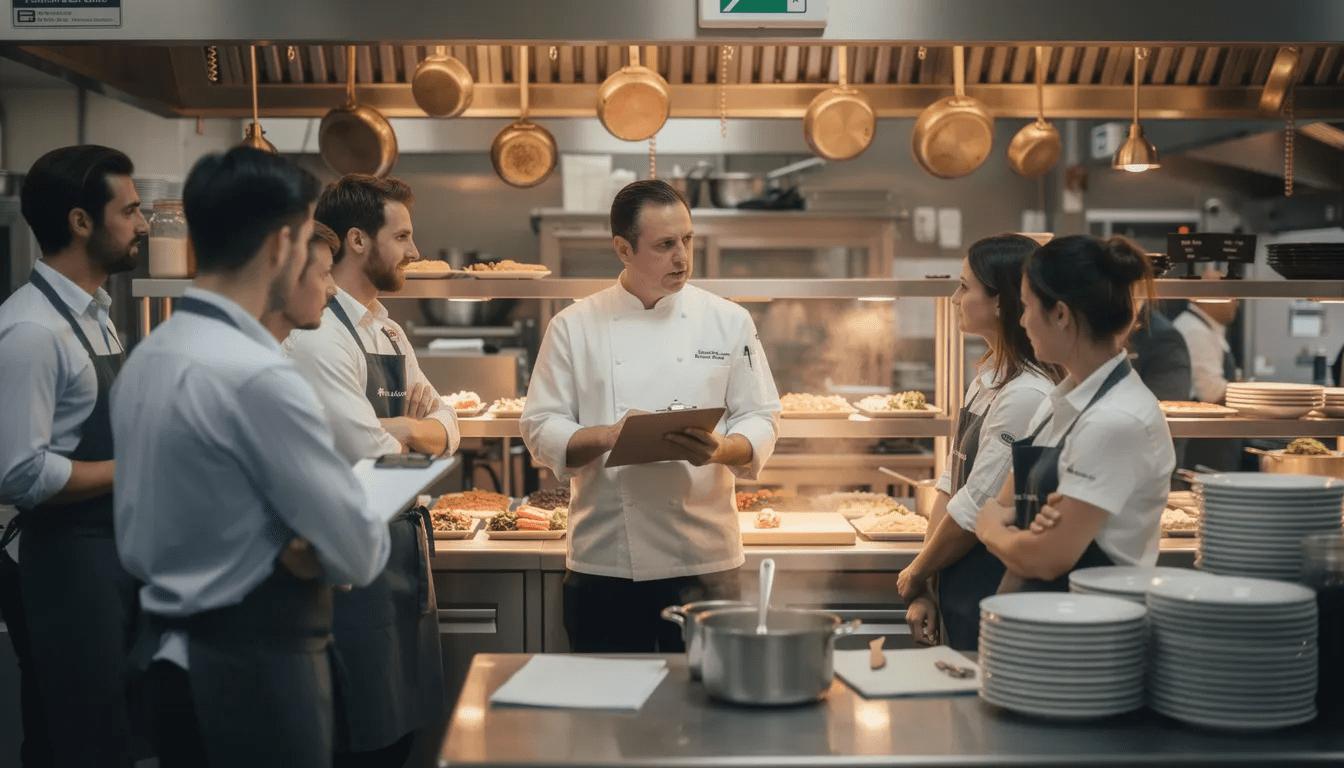
Line cooks work directly on the food preparation line. They handle prep work, cook menu items, and make sure dishes meet the chef’s standards before they leave the kitchen. This job requires focus, consistency, and the ability to keep pace during service. A strong line cook job description helps candidates understand these expectations before they apply.
In many restaurants, line cooks are the backbone of daily kitchen operations. They support the executive chef and sous chefs by handling assigned stations, preparing ingredients, and following recipes exactly as written. When each line cook knows their role, the kitchen runs smoother and food quality stays consistent.
The role also plays a direct part in customer satisfaction. Guests may never see the line cook, but they feel the impact through food quality, speed, and presentation. That is why hiring the right line cooks matters as much as hiring strong managers.
Writing a clear line cook job description helps attract candidates who are ready to work as part of a team and take pride in their work. Many restaurants also use hiring tools like StaffedUp to post job descriptions, manage applicants, and keep kitchen hiring organized without extra steps.
What a Line Cook Does Day to Day
A line cook spends most of the shift working directly on the cook line, focused on speed, accuracy, and consistency. This role is hands-on from start to finish. A clear line cook job description should explain that the job is active, structured, and fast-moving, especially during peak service.
Line cooks are assigned to specific stations, such as grill, sauté, fry, or prep. Each station has its own tasks, timing, and standards. During service, line cooks prepare menu items in the order they come in, following recipes and plating guidelines set by the chef.
Working the Prep and Cook Line
Before service begins, line cooks help get the kitchen ready. Prep work sets the pace for the entire shift.
Daily prep and line work often include:
- Chopping vegetables and herbs
- Preparing sauces and dressings
- Portioning proteins and ingredients
- Setting up the assigned station with tools and supplies
During service, line cooks focus on cooking menu items to spec. This means following recipes closely, managing cook times, and keeping plates moving without cutting corners.
Supporting the Kitchen Team During Service
Line cooks do not work alone. They coordinate closely with other cooks, expediters, and chefs to keep orders flowing.
Team support includes:
- Calling out order status
- Responding to timing cues from chefs
- Helping other stations when needed
- Keeping communication clear and direct
Good teamwork helps prevent backups and keeps service steady, even when the kitchen is under pressure.
Staying Organized and Focused
A major part of the line cook job is staying organized while handling many tasks at once. Clean stations, labeled ingredients, and proper storage help line cooks move faster and reduce mistakes.
Line cooks are expected to:
- Keep their station clean during and after service
- Restock ingredients as needed
- Follow food handling and sanitation rules
Restaurants that explain these expectations clearly in the line cook job description often see better performance and fewer issues during busy shifts.
Many kitchens also support hiring and training by keeping job descriptions and applications in one place using tools like StaffedUp, which helps teams stay consistent as they bring on new cooks.
Line Cook Responsibilities and Duties
A strong line cook job description should clearly list the responsibilities and duties tied to the role. This helps candidates understand what is expected on every shift and helps kitchens hire cooks who can keep up with service demands.
Line cook responsibilities focus on food preparation, station readiness, and teamwork. These duties support consistent food quality and smooth kitchen operations.
Food Preparation and Cooking Duties
One of the main responsibilities of a line cook is preparing and cooking food items according to established recipes and standards. This work happens before and during service.
Common food preparation duties include:
- Chopping vegetables and herbs
- Preparing sauces, marinades, and dressings
- Cooking proteins using assigned methods
- Following portion and seasoning guidelines
Line cooks must follow recipes closely so every dish looks and tastes the same, regardless of who is working the station.
Station Setup and Stocking
Before service, line cooks are responsible for setting up their prep station. This helps service move faster and reduces mistakes during rush periods.
Station duties often include:
- Stocking ingredients and supplies
- Setting up tools and equipment
- Checking food levels before service
- Restocking items during the shift
A well-prepared station allows line cooks to focus on cooking instead of searching for supplies.
Plating and Presentation
Line cooks play a direct role in how food reaches the guest. Proper plating matters just as much as taste.
Plating duties include:
- Following plating guides
- Adding garnishes as directed
- Sending plates out clean and presentable
Consistency in plating helps support the restaurant’s brand and guest experience.
Cleanliness and Organization
Clean work areas are a daily responsibility for line cooks. Keeping stations organized helps prevent errors and supports food safety.
Daily cleaning duties include:
- Wiping down prep surfaces
- Cleaning tools and equipment
- Organizing storage areas
- Completing closing tasks
Clean stations also help cooks work faster and safer during service.
Food Safety and Sanitation
Line cooks must follow food safety and sanitation rules at all times. This protects guests, staff, and the business.
Food safety duties include:
- Proper food handling and storage
- Labeling and dating items
- Following temperature guidelines
- Disposing of food correctly
Including these duties in the line cook job description helps set clear standards from day one.
Why Clear Duties Matter
When line cook responsibilities are written clearly:
- Candidates know what the job involves
- Training takes less time
- Service runs smoother
- Kitchens see fewer mistakes
Many restaurants keep role duties organized and consistent by storing job descriptions and hiring workflows in tools like StaffedUp, which helps teams hire faster and stay aligned.

Education and Experience Requirements
A clear line cook job description should outline the education and experience needed for the role. This helps candidates decide if they are ready for the job and helps kitchens screen applicants more quickly. While formal education is not always required, experience and basic training matter in a working kitchen.
Education Background
Most line cook roles require a high school diploma or equivalent. Some restaurants prefer candidates with culinary training, but this is often optional.
Education expectations may include:
- High school diploma or GED
- Culinary classes or training (preferred, not required)
- Basic understanding of kitchen safety and sanitation
Hands-on experience often matters more than formal education for this role.
Experience in Food Service
Experience working in a restaurant or food service environment is highly valued. Experienced line cooks are usually more comfortable with the pace and structure of a busy kitchen.
Common experience requirements include:
- Previous work as a line cook, prep cook, or kitchen assistant
- Experience working during busy service periods
- Familiarity with standard kitchen operations
Hiring an experienced line cook can reduce training time and improve service consistency.
Demonstrating Food Preparation Skills
Qualified line cooks should be able to demonstrate core food preparation skills during interviews or trial shifts.
These skills may include:
- Chopping and prepping ingredients
- Cooking proteins and sides correctly
- Following recipes and plating guidelines
Showing these skills helps kitchens confirm candidates can handle the role before hiring.
Knowledge of Sanitation and Best Practices
Line cooks must understand sanitation rules and kitchen standards.
This includes knowledge of:
- Safe food handling
- Cleaning and sanitation routines
- Proper storage and labeling
Clear expectations around these topics help protect guests and staff.
Why Experience Matters
When experience requirements are clear:
- Candidates self-select before applying
- Training is more efficient
- Kitchens see fewer early mistakes
Many restaurants use tools like StaffedUp to organize applications and highlight experience levels, making it easier to spot candidates who are ready to step onto the line.
Creating an Effective Line Cook Job Description
An effective line cook job description does more than list tasks. It sets clear expectations, attracts the right candidates, and helps kitchens hire faster. When job descriptions are vague, kitchens often deal with no-shows, early quits, or cooks who are not ready for the pace.
Clear job descriptions save time for both managers and applicants. They help candidates decide early if the role fits their skills and availability.
Using a Line Cook Job Description Template
A job description template keeps hiring consistent, especially when kitchens hire often. Instead of rewriting the role every time, a template ensures expectations stay the same across hires.
A strong template should include:
- Role summary
- Core responsibilities
- Required skills and experience
- Schedule expectations
- Food safety standards
Templates also make onboarding easier because new hires already know what is expected.
Keywords to Include in the Job Description
Using the right keywords helps job posts appear in search results and reach qualified cooks.
Common keywords to include:
- Line cook
- Restaurant cook
- Food preparation
- Kitchen operations
- Food safety
These terms help attract candidates who are actively searching for kitchen roles.
Emphasizing Food Safety and Teamwork
Food safety and teamwork should be clear priorities in every line cook job description. Cooks must know that following procedures and supporting teammates are part of the role.
Important points to highlight include:
- Following sanitation rules
- Keeping stations clean
- Communicating during service
- Supporting the kitchen team
Clear expectations help kitchens maintain standards even during busy shifts.
Highlighting Growth and Training Opportunities
Many line cooks are interested in learning and growing within the kitchen. Mentioning training or advancement opportunities can attract stronger candidates.
Examples include:
- On-the-job training
- Skill development
- Opportunities to move into senior cook roles
Sharing growth opportunities helps kitchens stand out in competitive hiring markets.
Why Clear Job Descriptions Improve Hiring
When line cook job descriptions are clear:
- Better candidates apply
- Interviews stay focused
- Training time decreases
- Turnover drops
Many restaurants store job description templates and manage applications using hiring tools like StaffedUp, which helps teams post roles, track candidates, and stay organized without extra work.
FAQs: Line Cook Job Description
What is a line cook job description?
A line cook job description outlines the duties, skills, and expectations for a cook working on the food preparation line. It helps restaurants hire cooks who can keep up with service and maintain food quality.
What are the main responsibilities of a line cook?
Line cooks prepare food, set up and stock stations, cook menu items to recipe, maintain cleanliness, and follow food safety rules during every shift.
What skills should a line cook have?
Strong line cooks have basic knife skills, understand cooking methods, follow recipes closely, work well with a team, and stay organized in a fast-paced kitchen.
Do line cooks need formal culinary training?
Formal training is helpful but not always required. Many restaurants value hands-on experience, food safety knowledge, and the ability to perform well during service.
How can restaurants hire reliable line cooks faster?
Restaurants hire more reliable line cooks when job descriptions are clear and expectations are upfront. Many teams use tools like StaffedUp to post jobs, review candidates, and keep kitchen hiring organized in one place.

Hire Smarter, Faster
StaffedUp simplifies hiring for restaurant & hospitality operators. Post your first job for $1.