
Comprehensive Server Job Description: Key Duties and Skills Explained
Introduction to Server Roles
A clear server job description helps restaurants hire the right people and set expectations before the first shift. Servers are often the face of the restaurant. They greet guests, take orders, deliver food and drinks, and make sure customers feel welcome from start to finish.
The server role requires focus, organization, and strong people skills. Servers manage multiple tables at once while working closely with the kitchen and bar. In busy restaurants, this role moves fast and leaves little room for confusion. A strong server job description helps candidates understand that pace before they apply.
Servers play a direct role in customer satisfaction. Friendly service, accurate orders, and timely check-ins all shape the guest experience. When expectations are clear, servers are more confident, and managers spend less time correcting mistakes.
Restaurants that write detailed server job descriptions often see better hiring results. Clear roles attract candidates who are ready for the work and reduce early turnover. Many teams also use tools like StaffedUp to post server roles, review applicants, and keep hiring organized without adding extra steps.
Key Server Responsibilities
The server job description should clearly explain what servers are responsible for during every shift. This section is one of the most important for both candidates and hiring managers. It defines how the server supports guests, the kitchen, and the overall flow of service.
Servers are responsible for creating a smooth and enjoyable dining experience. Their work affects table turnover, guest satisfaction, and team coordination. Clear responsibilities help restaurants hire servers who are prepared for the demands of the role.
Core Server Duties
Most server job descriptions include a consistent set of daily duties. These responsibilities form the foundation of the role.
Core server duties include:
- Greeting guests promptly and warmly
- Taking accurate food and beverage orders
- Delivering food and drinks correctly
- Checking on guests throughout the meal
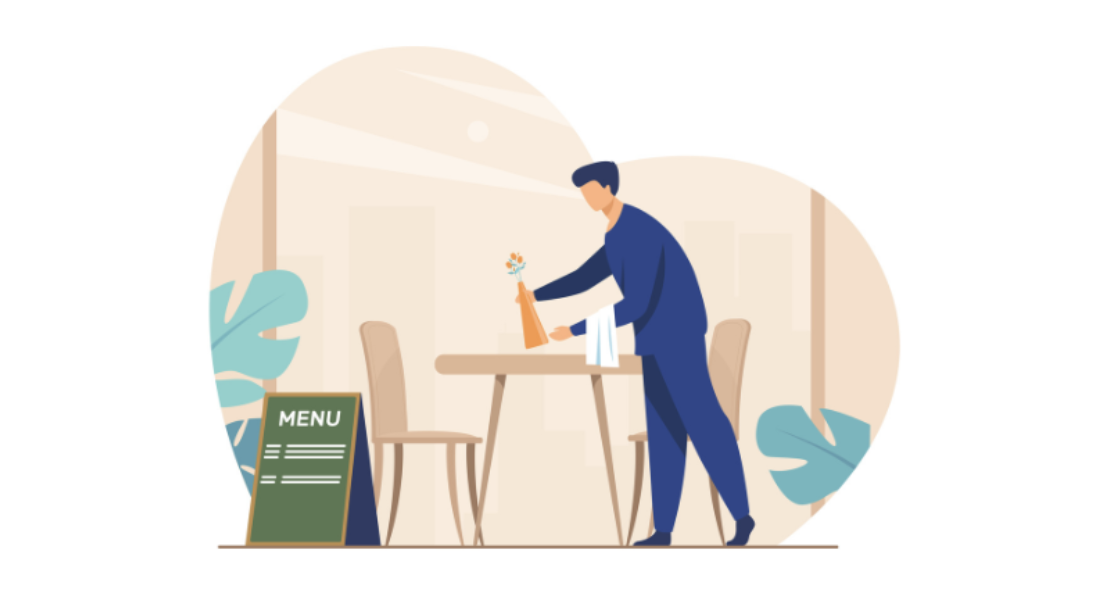
- Clearing and resetting tables
Servers must stay aware of what is happening at each table while keeping service moving at a steady pace.
Managing Multiple Tables at Once
Handling several tables at the same time is a central part of the server role. Servers must stay organized so no guest feels ignored.
This includes:
- Tracking orders and timing
- Prioritizing tasks during busy periods
- Communicating delays or issues clearly
Strong time awareness helps servers keep service smooth even during peak hours.
Supporting the Guest Experience
Servers are often the main point of contact for guests. How they act and communicate shapes the entire dining experience.
Responsibilities related to guest experience include:
- Answering menu questions
- Making recommendations when asked
- Handling guest concerns professionally
Clear expectations in the server job description help servers act with confidence and consistency.
Restaurants that clearly outline server responsibilities and keep applications organized often hire faster using platforms like StaffedUp.
Food and Beverage Service
Food and beverage service is at the center of the server job description. Servers are responsible for making sure orders are taken correctly, prepared as requested, and delivered on time. Mistakes in this area affect both guest satisfaction and kitchen flow.
Clear service expectations help servers understand how detailed and accurate they must be during every shift.
Taking Food and Beverage Orders
Servers must take orders carefully and confirm details with guests. Accuracy matters, especially during busy service.
Key responsibilities include:
- Listening closely to guest orders
- Confirming cooking preferences and modifications
- Asking about food allergies or dietary needs
- Entering orders correctly into the system
Clear communication at this stage prevents delays and remakes later.
Menu Knowledge and Recommendations
Servers are expected to know the menu well enough to answer questions and help guests decide.
This includes:
- Understanding ingredients and preparation methods
- Knowing which items pair well together
- Answering questions about portion sizes or flavors
Strong menu knowledge helps guests feel confident in their choices.
Delivering Orders Correctly and On Time
Once orders are ready, servers must deliver them to the correct table quickly and accurately.
This includes:
- Checking plates before delivery
- Delivering food to the right guests
- Following up after delivery
Timely delivery helps keep service flowing and guests satisfied.
Handling Special Requests
Servers often manage special requests during service. These must be communicated clearly to the kitchen.
Examples include:
- Modifications or substitutions
- Allergy-related requests
- Timing adjustments
Clear communication between servers and kitchen staff helps avoid mistakes.
Restaurants that manage service expectations clearly and track hiring in one place often reduce training issues by using tools like StaffedUp.

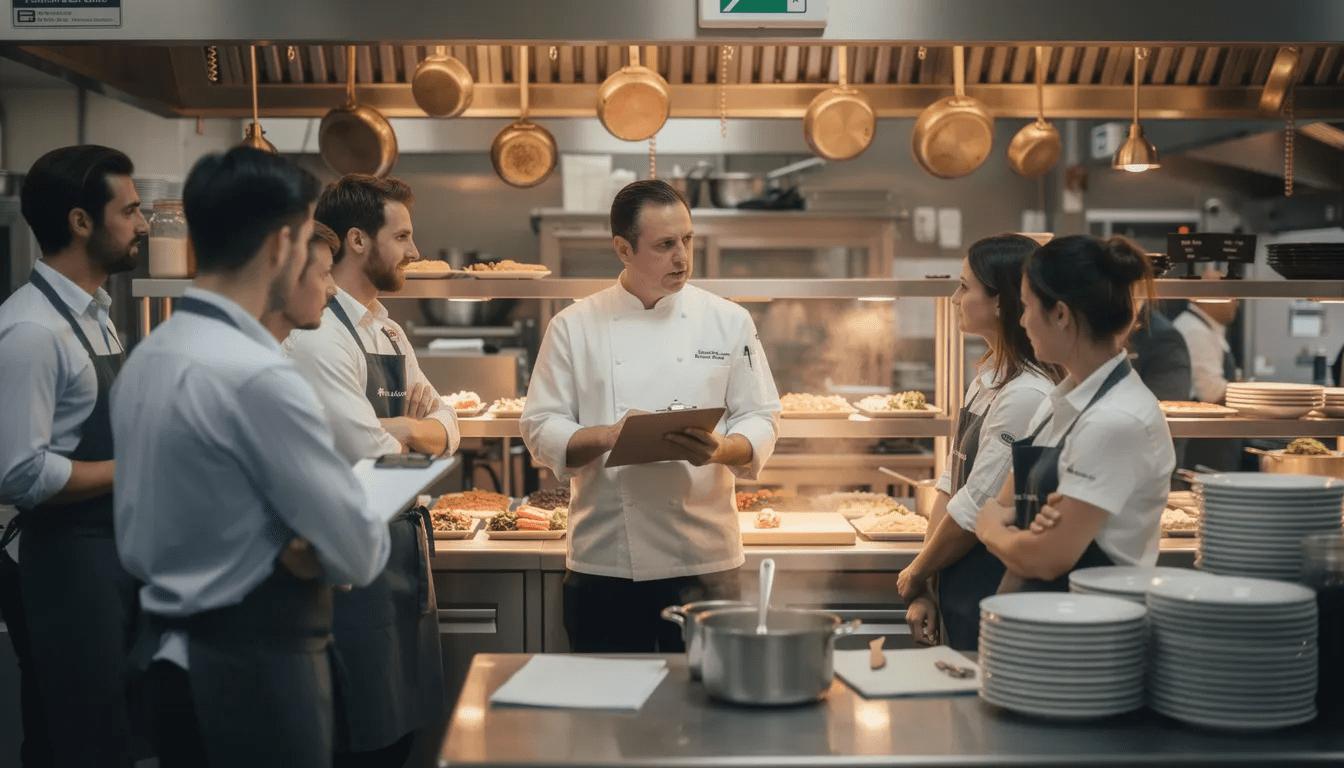
Coordination With Kitchen Staff
Strong coordination with the kitchen is a core part of the server job description. Servers and kitchen staff must work together closely to keep service running smoothly. When communication breaks down, delays and mistakes follow.
Servers act as the link between guests and the kitchen. Clear, direct communication helps orders move from the table to the pass without confusion.
Communicating Orders Clearly
Servers must communicate orders in a way the kitchen can act on quickly and correctly.
This includes:
- Entering orders accurately into the system
- Calling out special requests when needed
- Double-checking modifications before sending
Clear order communication reduces errors and speeds up service.
Managing Timing and Flow
Servers help control the pace of service by coordinating timing with the kitchen.
Key responsibilities include:
- Spacing out orders during busy periods
- Watching ticket times
- Informing guests when delays occur
Good timing keeps the kitchen from getting overwhelmed and helps guests feel informed.
Handling Order Issues
When issues happen, servers are often the first to respond.
This may include:
- Notifying the kitchen of missing or incorrect items
- Communicating remake requests
- Updating guests on next steps
Handling issues calmly helps protect the guest experience.
Supporting Team Communication
Servers must stay aware of what is happening around them during service.
This includes:
- Listening for calls from the kitchen
- Helping other servers when needed
- Keeping communication short and clear
Strong teamwork helps prevent service breakdowns during peak hours.
Restaurants that centralize hiring and training expectations often see better server–kitchen coordination using platforms like StaffedUp.
Customer Service and Relations
Customer service is a core part of the server job description. Servers shape how guests feel about the restaurant from the moment they sit down until they leave. Friendly, attentive service helps turn first-time guests into regulars.
Clear service standards help servers know how to act in common situations and how to handle challenges without escalation.
Greeting and Engaging Guests
Servers are responsible for making guests feel welcome right away.
This includes:
- Greeting tables promptly
- Introducing themselves clearly
- Explaining specials or key menu items
A strong first impression sets the tone for the entire meal.
Responding to Guest Needs
Servers must stay alert to guest needs throughout service.
Responsibilities include:
- Refilling drinks
- Checking food quality
- Anticipating requests before guests ask
Attentive service helps guests feel cared for without being rushed.
Handling Complaints and Issues
When issues arise, servers are often the first to respond.
This includes:
- Listening without interruption
- Apologizing when needed
- Offering solutions or involving a manager
Professional handling of issues helps protect the guest experience and the restaurant’s reputation.
Restaurants that outline customer service expectations clearly often onboard servers faster when hiring is managed through tools like StaffedUp.
Time Management and Organization
Time management is essential in any server job description. Servers must handle multiple tasks at once while keeping service smooth and organized.
Strong organization helps servers stay calm and focused during busy shifts.
Managing Multiple Tasks at Once
Servers juggle many responsibilities during service.
This includes:
- Tracking multiple tables
- Running food and drinks
- Processing payments
Good task awareness helps servers avoid delays and missed steps.
Staying Organized During Busy Shifts
Organization helps servers work faster without sacrificing quality.
Expectations often include:
- Keeping order notes clear
- Grouping tasks efficiently
- Staying aware of table status
Organized servers help service move at a steady pace.
Prioritizing Guest Needs
Servers must decide what needs attention first.
This includes:
- Addressing food delivery before refills
- Communicating delays clearly
- Knowing when to ask for help
Clear priorities help prevent service breakdowns.
Restaurants that set clear service workflows often see better performance when hiring and scheduling are managed in one place with StaffedUp.
Handling Payments and Transactions
Handling payments accurately is an important part of the server job description. Servers are responsible for closing out checks correctly and making sure guests leave with a smooth final impression. Mistakes at this stage can undo an otherwise great dining experience.
Clear expectations around payments help servers feel confident and reduce end-of-shift issues.
Processing Payments Correctly
Servers must handle payments in a timely and accurate way.
This includes:
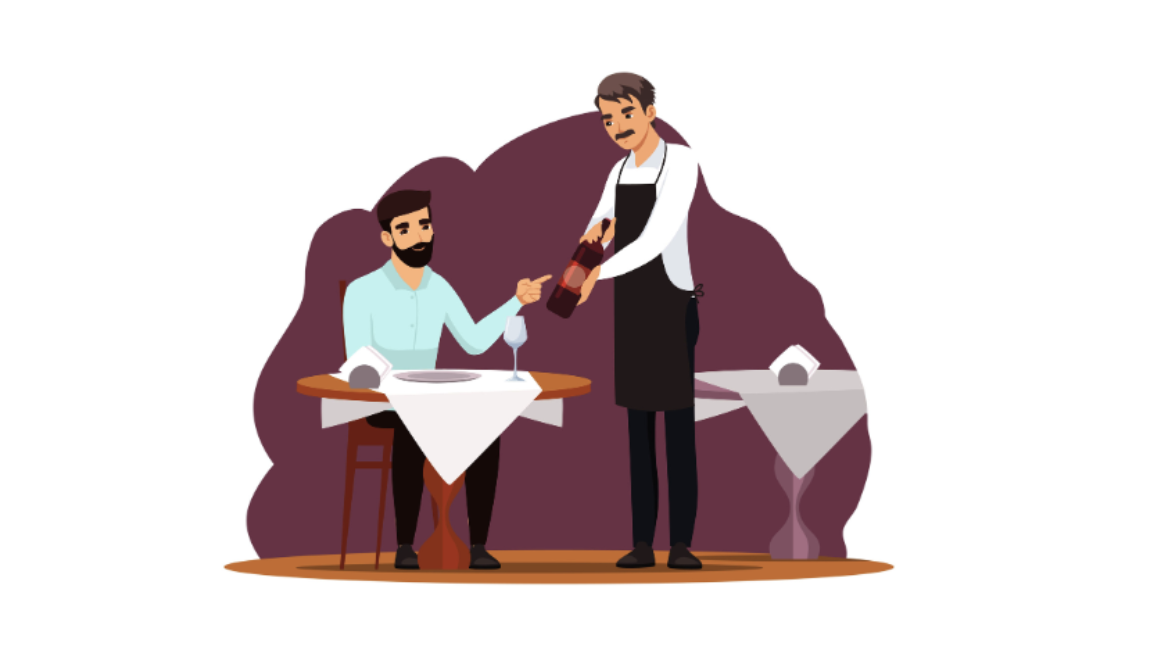
- Presenting checks promptly
- Processing cash and card payments
- Returning correct change
- Confirming totals before closing checks
Accuracy builds guest trust and helps avoid disputes.
Managing Payment Questions or Issues
Guests may have questions or concerns about charges.
Servers are expected to:
- Explain menu prices or added charges clearly
- Correct mistakes quickly
- Involve a manager when needed
Professional handling keeps the interaction calm and respectful.
Closing Out Shifts Cleanly
At the end of a shift, servers are responsible for closing out their checks properly.
This may include:
- Balancing cash and card totals
- Submitting tips correctly
- Following end-of-shift procedures
Clear procedures reduce confusion and help shifts end smoothly.
Restaurants that define payment expectations clearly and keep hiring and training organized often see fewer issues by managing roles and applicants through platforms like StaffedUp.
Work Environment and Schedule Expectations
The server job description should clearly explain the work environment and schedule expectations. This helps candidates understand what the job feels like day to day and reduces surprises after hiring.
Servers work in active dining rooms where pace and teamwork matter. Being clear about conditions helps attract candidates who are ready for the environment.
Fast-Paced Restaurant Setting
Servers work in busy spaces where things change quickly.
This often includes:
- Loud dining rooms
- High guest volume during peak hours
- Constant movement between tables and service areas
Comfort in a fast-moving setting helps servers stay focused and calm.
Physical Expectations of the Server Role
The server job is physically active.
Common expectations include:
- Standing and walking for long periods
- Carrying trays, plates, and drinks
- Reaching, bending, and lifting during service
Clear physical expectations help candidates decide if the role is a good fit.
Schedule Flexibility
Most server roles require flexible availability.
This may include:
- Nights and weekends
- Holidays
- Split or extended shifts
Including schedule details in the server job description helps reduce call-outs and early turnover.
Why Setting Environment Expectations Matters
When candidates understand the work environment upfront:
- Fewer early quits occur
- Training goes smoother
- Teams stay more reliable
Many restaurants outline environment and schedule expectations clearly and manage applications in one place using tools like StaffedUp, making hiring more consistent across locations.
FAQs: Server Job Description
What is a server job description?
A server job description explains the duties, skills, and expectations for restaurant servers. It helps restaurants hire candidates who can manage tables, provide strong service, and work well with the team.
What are the main responsibilities of a server?
Servers greet guests, take food and drink orders, deliver items, manage multiple tables, handle payments, and support a positive dining experience.
What skills should a restaurant server have?
Strong servers have good communication skills, stay organized during busy shifts, work well with others, and provide friendly, attentive customer service.
Do servers need prior experience?
Previous serving experience is often preferred but not always required. Many restaurants train new servers who show a positive attitude and willingness to learn.
How can restaurants hire better servers faster?
Restaurants hire better servers when job descriptions are clear and expectations are upfront. Many teams use tools like StaffedUp to post jobs, review applicants, and manage hiring in one place.

Hire Smarter, Faster
StaffedUp simplifies hiring for restaurant & hospitality operators. Post your first job for $1.