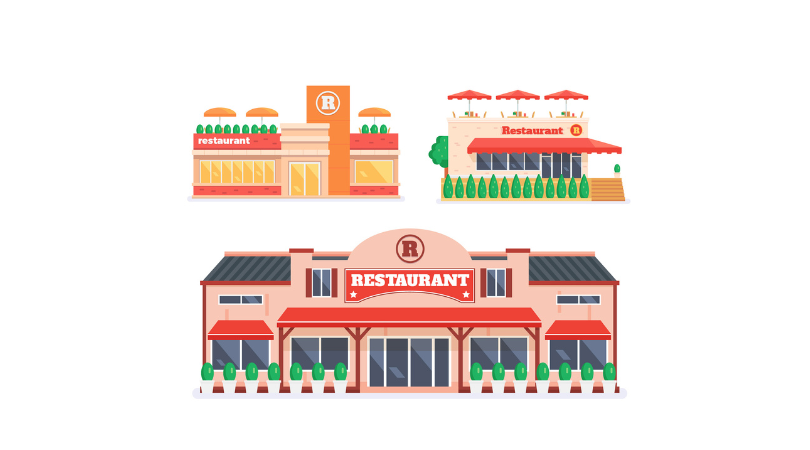

What It Takes to Be a Successful Multi Unit Restaurant Manager in 2026
Running one restaurant is tough. Running several at once is a completely different challenge. The role of a multi unit restaurant manager requires strong leadership, data-driven decision-making, and the ability to balance people, processes, and profitability across multiple locations.
In 2026, restaurant groups face staffing shortages, higher labor costs, and rising guest expectations — all while competing for the same talent pool. Multi unit leaders who succeed are the ones using smarter systems, modern technology, and strong communication to keep their teams aligned and accountable.
This guide covers everything it takes to thrive as a multi unit restaurant manager — from leadership skills and daily responsibilities to useful metrics, tools, and proven strategies that drive results.
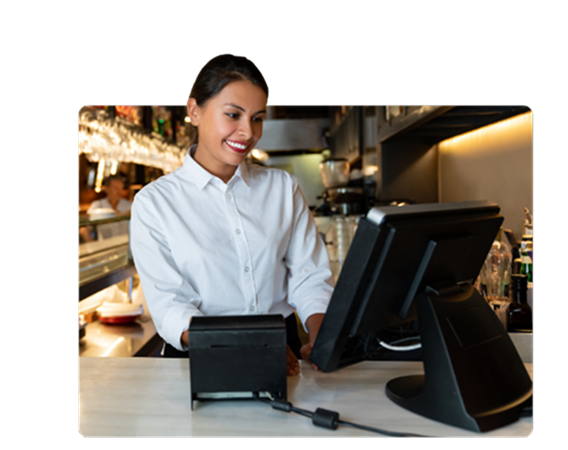
Understanding the Role of a Multi Unit Restaurant Manager
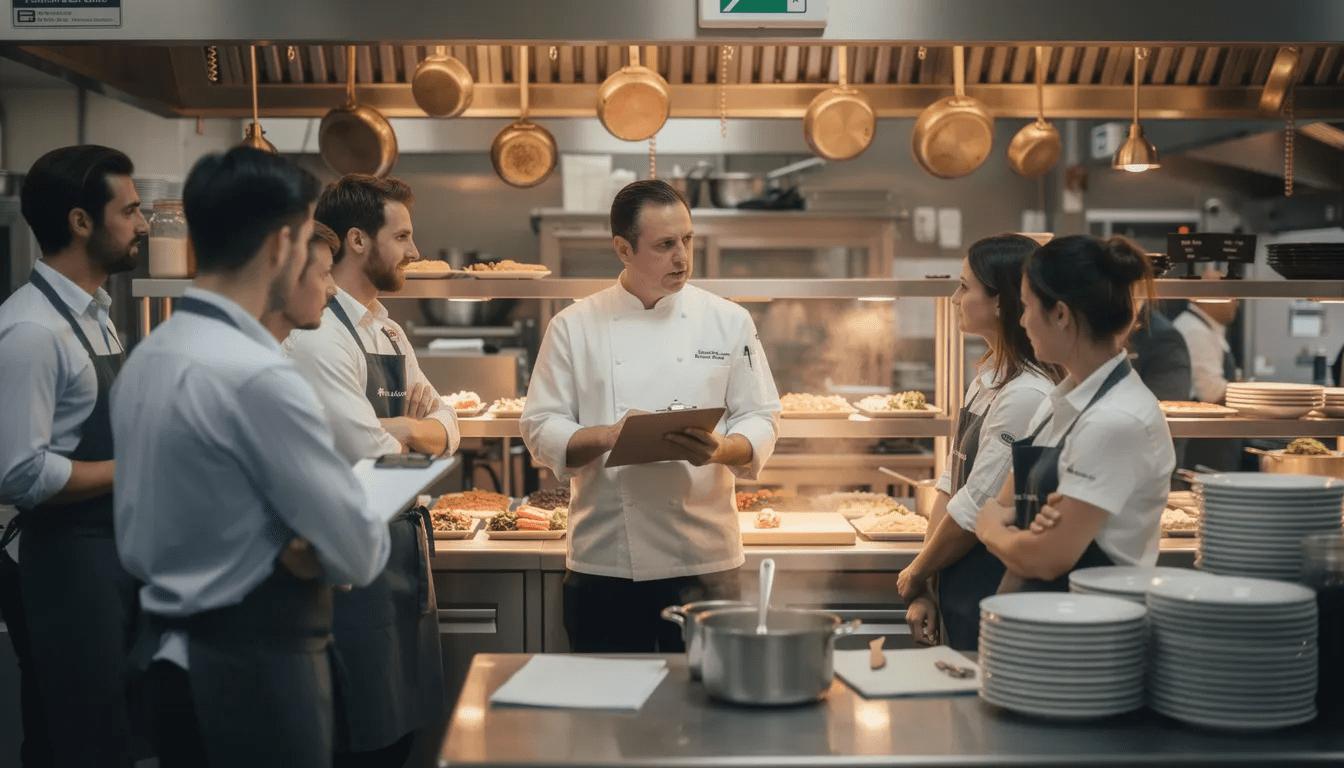
A multi unit restaurant manager oversees operations across several locations within the same brand or group. Unlike a single-unit general manager, this position focuses on strategy, consistency, and team leadership rather than day-to-day service execution.
Key responsibilities include:
- Overseeing performance across all units
- Managing and mentoring general managers
- Maintaining consistency in quality and guest experience
- Setting sales and labor targets
- Recruiting, training, and developing staff
- Managing budgets and operational costs
- Implementing company policies and systems
The best multi unit managers act as coaches — empowering their teams to make decisions while holding them accountable for results.
The Skills Every Multi Unit Restaurant Manager Needs
Success in this role depends on a blend of operational expertise, leadership, and emotional intelligence. Below are the most valuable skills top-performing multi unit restaurant managers share.
Leadership and Team Development
The biggest responsibility of a multi unit manager is building leaders. That means investing in your general managers, empowering shift leaders, and promoting a culture of accountability.
Strong leaders:
- Communicate expectations clearly
- Lead with consistency, not emotion
- Recognize achievements regularly
- Encourage upward mobility
Many operators use internal development programs to create growth paths for hourly and management staff. The payoff is better retention and stronger performance across locations.
StaffedUp helps multi unit leaders track hiring performance, identify strong candidates across all stores, and build long-term bench strength — turning hiring into a measurable part of team development.

Time Management and Organization
Multi unit restaurant managers spend much of their week traveling between locations, reviewing reports, and holding team meetings. Time is their most valuable resource.
To stay organized:
- Use shared digital calendars and task systems
- Set standing meetings with each location’s GM
- Block time for reporting and follow-up
- Avoid getting caught in day-to-day restaurant fires
The best leaders build systems that allow each GM to operate independently while keeping communication open and expectations consistent.
Financial and Analytical Skills
Numbers tell the story of each restaurant. A multi unit restaurant manager must know how to read and interpret:
- P&L statements
- Labor and food cost reports
- Guest satisfaction data
- Turnover and hiring metrics
By comparing metrics across units, you can identify patterns — like which locations are over-scheduled, which need more marketing support, or where training gaps exist.
Example Metric Snapshot:
| Metric | Strong Range | What It Means |
| Labor Cost % | 25–32% | Shows labor efficiency |
| Food Cost % | 28–35% | Indicates waste control and pricing balance |
| Turnover Rate | Under 40% | Reflects management and culture quality |
| Guest Review Avg. | 4.3+ stars | Measures experience consistency |
Tracking these KPIs helps you prioritize attention and resources where they’ll make the biggest impact.

Communication and People Management
Every location has its own personality. The ability to communicate effectively across different teams, managers, and ownership levels is key.
Multi unit restaurant managers must:
- Provide consistent updates through email, group chats, or management platforms
- Encourage open communication between stores
- Build trust by being visible and approachable
A common mistake is relying too much on reports and not enough on relationships. The best managers know their people, not just their numbers.
By integrating a hiring and communication platform like StaffedUp, multi unit leaders can maintain consistent communication about open roles, hiring progress, and staffing needs — all in one dashboard.
Operational Consistency
The biggest challenge in multi unit management is maintaining brand consistency. Guests expect the same quality experience whether they visit one location or another.
To keep consistency strong:
- Standardize training and onboarding
- Conduct regular audits or store visits
- Use digital checklists for shift and prep tasks
- Encourage feedback from guests and staff
Consistency builds brand trust — and brand trust builds loyalty.
Tools and Systems for Multi Unit Restaurant Managers
Technology has become a must for managing multi-unit operations. The right tools simplify coordination and give leaders the visibility they need.
Useful Tools by Function:
| Area | Tool Type | Examples |
| Hiring | Applicant Tracking System | StaffedUp |
| Scheduling | Workforce Management | 7shifts, Toast Schedule |
| Inventory | Food Cost Control | MarginEdge, Restaurant365 |
| Communication | Team Messaging | Slack, RizePoint |
| Reporting | Multi-Unit Analytics | Tenzo, Avero |
When these systems integrate with each other, restaurant groups save time, reduce errors, and create a unified view of their operations.
StaffedUp works seamlessly with many scheduling and HR platforms — giving multi unit restaurant managers one central hub for applicant tracking, hiring analytics, and staff management.

Metrics Every Multi Unit Restaurant Manager Should Track
Monitoring performance across several locations requires standardized reporting. These are the most important multi unit restaurant metrics to follow:
- Sales Growth by Location – Identifies top performers and underperforming units.
- Labor Cost % – Keeps staffing efficiency in line with sales trends.
- Turnover Rate – Reveals management and hiring health.
- Guest Satisfaction – Gauges consistency in service and food quality.
- Employee Engagement – Predicts turnover and morale issues.
- Prime Cost (Labor + COGS) – Indicates total operational efficiency.
- New Hire Retention (90 Days) – Tracks hiring success and onboarding quality.
These metrics should be reviewed weekly or monthly. Over time, they provide insight into which management practices are working — and which need adjustment.
Case Study: How StaffedUp Helped a Multi Unit Operator Standardize Hiring
A family-owned restaurant group operating ten casual dining locations in the Midwest faced challenges with inconsistent hiring processes. Each manager used separate job boards and spreadsheets, resulting in:
- Duplicated applicants
- Lost resumes
- Slow response times
- High turnover due to rushed decisions
After implementing StaffedUp, the group achieved:
- A 35% decrease in turnover within six months
- Centralized applicant tracking for all locations
- Automated job posting to major hiring channels
- Faster communication between HR and managers
With all applicant data in one place, the operations director could finally measure hiring performance by store and identify which locations were attracting the best talent.
“StaffedUp gave us structure and speed,” the owner said. “We can now hire smarter and keep teams stable across every store.”
Leadership Strategies for Multi Unit Restaurant Success
A great multi unit restaurant manager doesn’t just manage — they mentor, motivate, and multiply success.
Key leadership strategies include:
- Lead by example. Visit each store regularly and be visible to staff.
- Set measurable goals. Every GM should know their sales, labor, and turnover targets.
- Share best practices. What works in one location can often work elsewhere.
- Invest in hiring. Great hires are the foundation of great operations.
- Celebrate wins publicly. Recognition boosts morale and retention.
These habits not only improve performance but also strengthen company culture across locations.
Final Thoughts
Being a multi unit restaurant manager in 2026 means balancing leadership, data, and human connection. The job demands structure, communication, and a people-first mindset.
The best managers are those who:
- Empower their teams instead of micromanaging
- Track performance across all stores
- Use technology to simplify systems
- Invest in hiring and development
In a competitive labor market, great leadership starts with great hiring.Simplify your hiring and build consistent, reliable teams across every location with StaffedUp, the hospitality hiring platform built for multi unit operators. Learn more at StaffedUp.

Hire Smarter, Faster
StaffedUp simplifies hiring for restaurant & hospitality operators. Post your first job for $1.