Key Takeaways
- The hiring process in hospitality is a repeatable, step-by-step system that takes you from identifying staffing needs through onboarding, typically lasting 1–4 weeks depending on the role and season.
- Modern hospitality hiring blends human insight with automation: structured interviews and manager assessments are supported by applicant tracking systems, AI screening tools, and automated scheduling.
- A clear, documented process reduces time-to-hire, cost-per-hire, and unconscious bias while improving candidate experience and quality of hire across roles from servers and cooks to management.
- Small hospitality businesses can run an effective hiring process with 7 streamlined steps, while larger operations often follow 10–15 detailed stages involving multiple hiring managers and HR partners.
- This guide provides practical, hospitality-focused step-by-step guidance, realistic timelines, and answers to common questions about costs, legal considerations, and where automation fits.
Ready to streamline your hospitality hiring? Discover how StaffedUp can help you find and onboard the right talent faster.
What Is a Hiring Process in Hospitality?
In hospitality, the hiring process is a standardized, repeatable set of stages your business follows to attract, evaluate, select, and onboard new employees for roles such as servers, bartenders, cooks, front desk agents, and managers. Think of it as your playbook for finding the right talent who can deliver excellent guest experiences—whether you’re staffing a busy restaurant, hotel, or event venue.
Every hospitality business should develop its own hiring process, tailored to its unique needs and structure, ensuring each stage is well-defined and fits the organization’s goals.
In 2025, hospitality companies increasingly use applicant tracking systems tailored to hospitality, structured interviews, and AI-based tools while keeping human judgment central. Technology handles resume parsing, interview scheduling, and candidate screening, while your hiring team focuses on assessing personality traits, communication skills, and cultural fit—key factors in hospitality success.
Understanding the difference between recruitment and hiring is important:
- Recruitment covers sourcing and attracting candidates through job postings on hospitality job boards, social media platforms, and employee referrals. It’s important to start with a clear recruitment plan that aligns with your business goals and involves relevant stakeholders.
- Hiring encompasses assessing, selecting, and onboarding phases where you evaluate candidates’ skills and fit and bring them onto your team.
While the specific steps and tools may vary between a boutique hotel and a large restaurant chain, most hospitality hiring processes share core phases: planning, sourcing, screening, interviewing, decision-making, offer, and onboarding. During planning, assess your hiring needs based on gaps in your team’s workload and organizational tasks to ensure you are addressing the right staffing requirements.
If you want to reduce turnover and improve guest satisfaction, a well-structured hiring process is essential. StaffedUp’s hospitality-focused platform is designed to help you every step of the way.
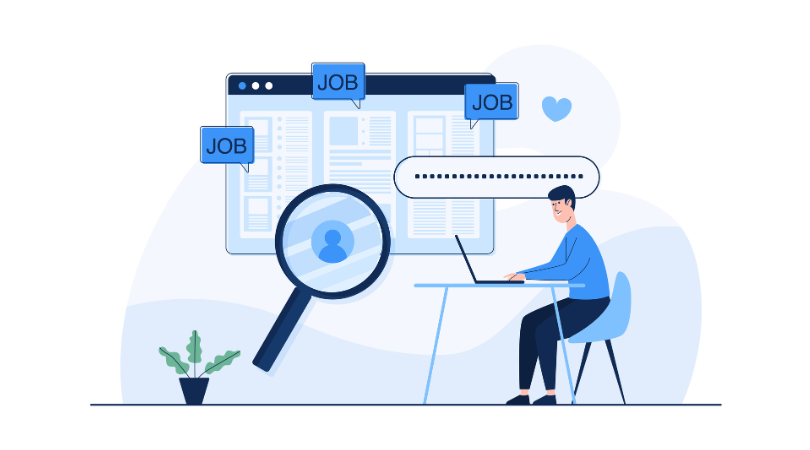
Core Steps of a Modern Hospitality Hiring Process (End-to-End Overview)
Here’s a chronological overview of the 10–12 core steps that make up an effective hospitality hiring process in 2025. A streamlined recruiting process can make the process easier for hospitality businesses by reducing bottlenecks and improving efficiency. Use this as your roadmap from the moment your hiring process begins until your new hire is fully integrated and delivering great service.
Typical hospitality hiring flow:
- Define the staffing need and get budget approval
- Create a role profile and create job descriptions that are detailed and well crafted, tailored specifically to hospitality roles
- Build or tap into a talent pool of hospitality professionals
- Post the job on hospitality job boards and source candidates actively
- Screen applications and conduct initial phone or video interviews as part of a structured selection process to select candidates who best fit the requirements
- Run structured main interviews with the hiring team, including group interviews if applicable, continuing the selection process to further select candidates for the role
- Administer job-relevant assessments (e.g., customer service skills, emotional intelligence)
- Complete background and reference checks
- Make the hiring decision and extend a job offer with clear details
- Handle paperwork and pre-boarding logistics
- Onboard the new employee with a structured plan emphasizing hospitality culture
- Conduct check-ins during the first 90 days to support retention
StaffedUp’s platform automates many of these steps, from posting jobs to scheduling interviews, making the process easier and helping you focus on selecting the right candidates.
For hospitality roles, expect the entire process to take 1–4 weeks depending on position and seasonality. Hourly roles like servers and housekeepers often move faster, while management positions may take longer.
Step 1–3: Plan the Role and Create a Compelling Job Description for Hospitality
Successful hospitality hiring starts with careful planning before you post a job opening. Getting this right saves hours interviewing unsuitable candidates later.
Crafting a Strong Role Profile
- Clearly state the job title at the top of the role profile to avoid confusion and ensure candidates know exactly which position they are applying for.
- Outline key responsibilities and expectations for the role.
- List required qualifications and skills. Note: Some roles may not require a college degree, as many employers are now open to candidates with diverse educational backgrounds.
- Highlight any unique aspects of your company culture or benefits.
Defining the Staffing Need
Every hire should address a clear operational need. Your staffing needs might include:
- Replacement hire: A server is leaving before the busy summer season
- New role: Opening a new restaurant requires additional cooks and hosts
- Seasonal surge: Need extra bartenders for holiday events
- Capacity expansion: Increasing hotel occupancy demands more front desk agents
Documenting why the role exists and what success looks like helps ensure candidates can meet your business goals.
Getting Stakeholder Alignment
In hospitality, hiring involves multiple stakeholders:
| Stakeholder | Role in the Process |
| Restaurant or Hotel Manager | Defines requirements, conducts interviews, makes final decision |
| HR or Staffing Coordinator | Ensures process compliance, coordinates logistics, advises on market rates |
| Finance | Approves headcount and salary band |
Getting alignment upfront on salary range, required skills, and preferred traits prevents delays when you find your top candidate.
Crafting a Strong Role Profile
A role profile captures:
- Core responsibilities and day-to-day tasks (e.g., serving guests, managing reservations)
- Must-have versus nice-to-have qualifications (e.g., food safety certification, prior hospitality experience)
- Reporting lines and team structure
- Location, shifts, and work schedule
- Success metrics for the first 30, 60, and 90 days
- Starting salary range and compensation details
Writing a Bias-Aware Job Description
Your job description is often a candidate’s first impression. To attract quality hospitality candidates:
- Use clear, specific language about duties and skills (e.g., “experience with POS systems” rather than vague terms)
- Avoid biased language that may discourage diverse applicants
- Include salary range and shift details where possible
- Highlight company culture and benefits, such as flexible scheduling or employee discounts
The best job postings tell candidates exactly what they’ll do, what skills they need, and what they’ll gain—not just what you want from them.
Need help creating job descriptions that attract top hospitality talent? StaffedUp offers customizable templates designed for hospitality roles generated by AI tools.

The Role of the Hiring Manager in Hospitality Recruitment
In hospitality, hiring managers are the driving force behind a successful recruitment process. From the moment a job opening is identified, hiring managers take charge of creating a well crafted job description that clearly outlines the required skills, responsibilities, and expectations for the role. This foundational step ensures that only qualified candidates who align with the company culture are attracted to the position.
Once the job description is finalized, hiring managers oversee the recruitment process, leveraging applicant tracking systems to organize applications and streamline communication. They play a hands-on role in conducting initial interviews, using structured interview questions to assess both technical abilities and soft skills such as communication and teamwork. By focusing on both the candidate’s experience and their fit within the team, hiring managers help ensure a seamless interview process that identifies the right employees for the job.
Throughout the process, effective hiring managers rely on data driven decisions—reviewing applicant assessment results, interview feedback, and reference checks—to select the best candidate. Their attention to detail and commitment to a positive candidate experience not only improve hiring outcomes but also strengthen the company’s reputation as an employer of choice in the hospitality industry.
Step 4–6: Source Candidates and Manage Applications in Hospitality
With your role profile and job posting ready, the next phase is getting your opportunity in front of hospitality job seekers and managing applications efficiently. Including a cover letter with applications is important, as it allows hiring managers to quickly assess a candidate’s qualifications and suitability for the role.
Sourcing Channels That Work in Hospitality
Effective hospitality recruitment strategies use multiple channels:
- Internal postings: Current employees may want to grow or refer friends
- Employee referrals: Often your highest-quality source—people recommend others who fit your culture
- Hospitality job boards: Sites like Indeed, Google Jobs & StaffedUp’s own platform
- Social media: Instagram and Facebook for local reach, LinkedIn for management roles
- Local community boards: Great for seasonal or entry-level hires
StaffedUp integrates with popular hospitality job boards and social media platforms to maximize your reach.
Using an Applicant Tracking System Built for Hospitality
An ATS like StaffedUp helps you:
- Publish jobs to multiple hospitality sites with one click
- Collect and organize applications in one place
- Track candidates’ progress through your pipeline
- Coordinate feedback among interviewers
- Maintain compliance and documentation
Even small hospitality businesses benefit from ATS tools to avoid losing qualified candidates in spreadsheets or emails.
Leveraging AI and Automation in Hospitality Hiring
Modern hospitality recruitment often includes:
- Programmatic job advertising: AI optimizes your ad spend based on performance
- Resume parsing: Automatically extracts skills and experience to surface right candidates faster
- Automated scheduling: Eliminates back-and-forth for interview times
StaffedUp’s AI-powered tools streamline these tasks so you can focus on meeting candidates.
Handling High Application Volumes
Popular hospitality jobs can attract many applicants. Efficiency matters:
- Send auto-responses confirming receipt so candidates know their application landed
- Use knockout questions for essential requirements (e.g., availability, certifications)
- Set clear timelines and communicate next steps upfront
- Review applications in batches to improve consistency
The Importance of Employee Referrals in Hospitality Hiring
Employee referrals are a cornerstone of effective recruitment strategies in hospitality. When current employees recommend qualified candidates from their own networks, they provide valuable insights into a candidate’s work ethic, personality traits, and potential cultural fit. This inside perspective helps hiring managers identify quality hires who are more likely to thrive within the company culture.
Referrals also boost hiring efficiency by reducing the time to fill open positions. Since referred candidates are often pre-vetted by trusted team members, the recruitment process can move more quickly and with greater confidence. In fact, employee referrals frequently lead to higher retention rates and improved team dynamics, as new hires are already familiar with the expectations and values of the organization.
To maximize the benefits of employee referrals, hospitality businesses should implement structured referral programs, offer incentives for successful hires, and publicly recognize employees who contribute to the recruitment process. By tapping into the networks of current employees, hiring managers can attract top talent, enhance the quality of their candidate pool, and build a stronger, more cohesive team.
Step 7–9: Screening, Interviews, and Assessments in Hospitality
Separate promising candidates from those who look good on paper but won’t succeed in your hospitality environment. The interview stage is a critical phase in the hiring process, allowing you to evaluate candidates’ fit, skills, and potential contributions to your team.
6.1 Initial Screening
Begin with an initial screen, which may include a phone screen or phone interview to assess basic qualifications, communication skills, and problem-solving abilities. This step helps you quickly determine if a candidate should move forward in the hiring process.
6.2 In-Depth Interviews
Next, interview candidates using structured methods to ensure consistency and fairness. Assess their responses, experience, and cultural fit during this stage to make informed hiring decisions.
Screening and Background Checks
As part of the employment screening procedures, background checks are essential. Depending on the role, drug testing may also be required as a component of the screening process, and technology can help streamline these checks.
Conducting Initial Screens
Phone or video screens (10–20 minutes) focus on basics:
- Confirm essential qualifications
- Understand candidate motivation and availability
- Discuss salary expectations and logistics
- Assess communication skills and professionalism
Recruiters or HR coordinators usually handle this stage, creating a shortlist for hiring managers.
Structuring Main Interviews
Hospitality interviews often include:
- Hiring manager interview: Deep dive into experience and role fit
- Group interviews: Especially for front-line roles to observe teamwork and communication
- Peer interviews: Colleagues assess collaboration potential
- Senior leader conversation: For management roles, focusing on leadership and company alignment
Use behavioral and situational questions to reveal how candidates handle real hospitality scenarios:
- “Tell me about a time you managed a difficult guest”
- “Describe how you handled a busy shift with limited staff”
- “Walk me through how you would upsell menu items to guests”
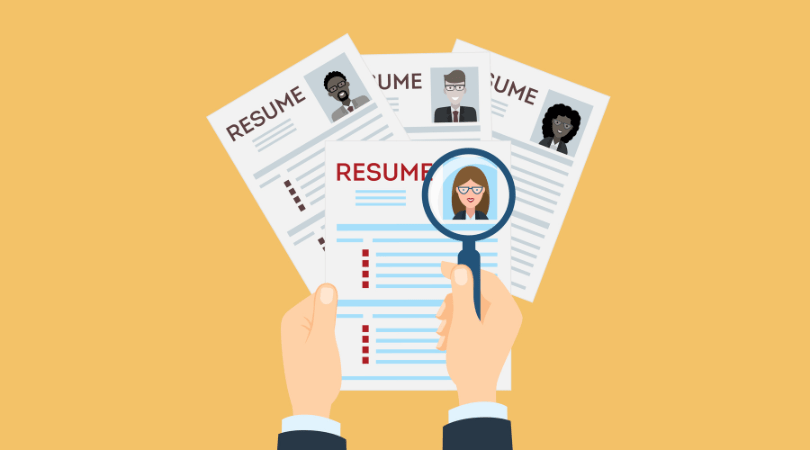
Why Structured Interviews Matter in Hospitality
Structured interviews with standardized questions and scoring improve hiring accuracy and fairness. The STAR method (Situation–Task–Action–Result) helps candidates structure answers and allows you to compare responses objectively.
Using Assessments Wisely
Assessments can include:
- Customer service skills tests
- Emotional intelligence evaluations
- Role-plays simulating guest interactions
Keep assessments relevant and concise to avoid losing quality hires to faster-moving competitors.
Creating a Positive Candidate Experience in Hospitality
A positive candidate experience is essential for attracting and retaining the right candidates in the competitive hospitality job market. The hiring process begins with the initial job posting, where hiring managers should ensure that job descriptions are clear, engaging, and highlight both required and preferred skills. This transparency sets expectations and encourages applications from job seekers who are genuinely interested and qualified.
As candidates move through the interview process, hiring managers should prioritize clear communication and respect for each applicant’s time. Structured phone screens, video interviews, and in person interviews allow for a thorough assessment of communication skills, emotional intelligence, and cultural fit. Incorporating background and reference checks at the appropriate stage further ensures that only the most suitable candidates progress.
Timely feedback and transparency about next steps are crucial for maintaining a positive impression. Showcasing company culture—whether through virtual tours, team introductions, or sharing stories about a time when employees went above and beyond—helps candidates envision themselves as part of the team. By focusing on these elements, hospitality businesses can create a welcoming and efficient hiring journey that attracts quality candidates and sets the stage for long-term success.
Step 10–12: Decision, Offer, and Onboarding in Hospitality
You’ve found promising candidates. Now confirm the chosen candidate, extend a compelling offer, formalize the relationship, and set them up for success.
Once you have made your decision, reach out to the chosen candidate and prepare to extend a formal job offer. A well-crafted offer letter should clearly outline the salary, benefits, and other employment terms. For top talent, be prepared to negotiate a higher salary or additional perks to secure their acceptance.
After the candidate accepts the offer letter, the hiring process transitions to onboarding. This stage involves integrating the new employee into your organization, providing necessary training, and ensuring a smooth start.
Making the Decision
Consolidate feedback using scorecards and hold a decision meeting with key stakeholders. Focus on evidence from interviews and assessments, considering skills and cultural fit.
Act quickly to secure top candidates, especially during peak hiring seasons.
Reference and Background Checks
Before extending an offer, verify employment history, check references about work style and reliability, and conduct background checks as allowed by law.
Crafting the Job Offer
A hospitality job offer should include:
- Base hourly wage or salary and payment schedule
- Tips policy and any bonus structure
- Benefits overview (health, PTO, employee meals)
- Work location and shift expectations
- Start date and contingencies (background check, reference verification)
StaffedUp can help you generate professional offer letters quickly.
Onboarding Your New Hire
First 90 days set the tone for retention and performance. Strong onboarding includes:
Pre-boarding:
- Account setup for scheduling and payroll systems
- Equipment and uniform ordering
- Welcome email from manager or team
First week:
- Orientation to company culture and guest service standards
- Introductions to team members and key stakeholders
- Clear role expectations and initial training
- One-on-one meeting with manager
First 30/60/90 days:
- Regular check-ins to provide feedback and answer questions
- Buddy or mentor assignment for informal support
- Progressive responsibility as competence grows
StaffedUp’s onboarding tools help you deliver a smooth experience that boosts retention.
How Long Does the Hospitality Hiring Process Take and What Affects the Timeline?
Typical timelines in hospitality:
- Hourly roles (servers, housekeepers): 1–2 weeks
- Supervisory roles: 2–4 weeks
- Management roles: 3–6 weeks
Factors affecting time to fill include role complexity, seasonal demand, candidate availability, and internal approval speed.
Best Practices to Improve and Streamline Your Hospitality Hiring Process
Define Your Success Metrics
Track:
| Metric | What It Tells You |
| Time-to-fill | Days from job opening to accepted offer |
| Offer acceptance rate | Percentage of offers accepted vs. extended |
| Source effectiveness | Which channels produce quality hires |
| Quality of hire | Performance ratings and retention at 6–12 months |
| Candidate satisfaction | Survey scores on the hiring experience |
Standardize Core Elements
Consistency improves efficiency and fairness:
- Use structured interview guides with hospitality-specific questions
- Develop evaluation rubrics for interviewers
- Build communication templates for every stage
- Document your recruitment process for clarity and compliance
Use Technology Thoughtfully
Technology should simplify your process:
- Automate status updates and interview scheduling
- Use AI screening to handle high volumes
- Enable video interviews for remote candidates
StaffedUp’s platform is built specifically for hospitality businesses to streamline hiring from start to finish.
Review and Iterate Regularly
Analyze where candidates drop off, gather feedback, simplify steps, and ensure data-driven decisions to keep improving.
A well-designed hiring process isn’t just administrative—it’s a competitive advantage in hospitality. Efficient hiring and respectful candidate treatment build teams that deliver outstanding guest experiences.
Ready to optimize your hospitality hiring? Partner with StaffedUp for a faster, smarter hiring process tailored to your business needs. Get started with StaffedUp today!