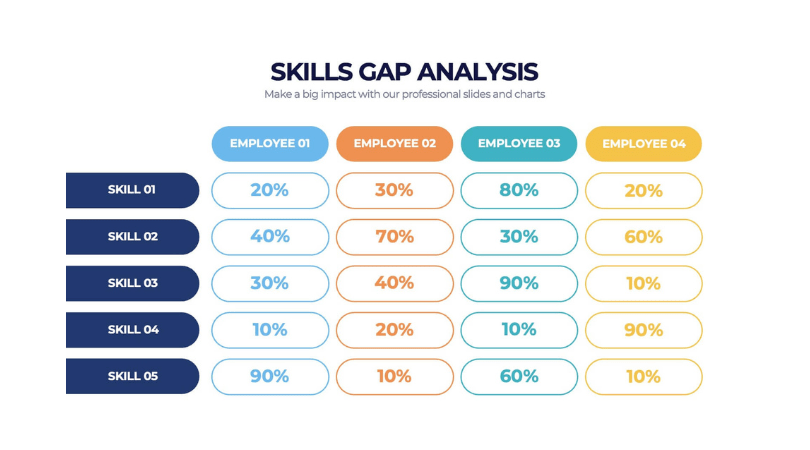
A skills gap analysis is a simple way for businesses to compare the skills their team currently has to the skills the team actually needs. When done well, it shines a light on areas where employees may need support, training, or better tools. It also helps leaders decide when hiring is the right next step.
Many restaurants, hospitality groups, and service teams use skills gap analysis to avoid staff shortages, slow training, and repeated mistakes. When you understand where the gaps are, it becomes much easier to fix them. Some teams even pair their analysis with an applicant tracking system (ATS) so they can fill talent needs quickly once gaps are identified.
A skills gap analysis does not need to be fancy or complicated. It simply needs to be honest and clear. Most teams focus on:
- What skills each role is supposed to have
- What skills each person currently has
- How large the difference is
- Whether the gap can be solved with training or hiring
When businesses make this a regular part of their process, staffing becomes much smoother. Hiring becomes clearer, training becomes cleaner, and managers get a better sense of how each role supports the team.
Why Skills Gap Analysis Matters for Hiring and Training
A skills gap analysis helps teams understand what is missing before small issues turn into bigger problems. Many managers rely on guesswork when trying to fix performance issues, but this process gives them real clarity. It shows exactly which skills matter most and where the team needs better support.
Helps Identify Missing Skills Before They Impact Performance
When teams run short on certain skills, small mistakes start to stack up. Orders get delayed, customers wait longer, and training takes more time. A skills gap analysis brings these problems to the surface early so managers can take action before the team feels stressed or overloaded.
Reduces Guesswork in Hiring
Many businesses hire based on instinct instead of data. A skills gap analysis highlights the exact gaps that need to be filled. This leads to stronger job postings, fewer hiring mistakes, and better fits for each role.
Many restaurants use StaffedUp for this step because clear gaps help them list openings faster and reach applicants who already have the needed skills.
Allows Better Training and Development Plans
Once the missing skills are clear, it becomes much easier to train the staff you already have. Instead of broad training sessions that cover everything at once, managers can plan short sessions focused on the highest-priority gaps.
Helps Build Job Descriptions Based on Real Needs
A common issue in hiring is unclear job descriptions. When the skills needed for each role are identified, writing accurate job descriptions becomes simple. This helps attract the right people, reduces confusion during interviews, and cuts down on turnover.
Many StaffedUp users say the hiring process feels smoother after using skill gap data to shape their job postings.
Types of Skills Gaps Companies Face
A skills gap analysis helps managers understand the kinds of gaps that slow down daily work. Not all gaps look the same, and each type affects the team in a different way. Knowing the difference helps leaders choose whether to train existing staff or bring in new hires. In many cases, restaurants and hospitality groups turn to upgrading their hiring software once they see a gap that calls for new talent.
Technical Skills Gaps
These gaps appear when employees lack the hands-on or job-specific skills needed to do the work. Examples include:
- Not knowing how to use the POS system
- Trouble handling online orders
- Difficulty learning new kitchen equipment
- Slow adoption of digital tools used for schedules or orders
These gaps often show up in fast-growing restaurants where new systems get added quickly. Technical support, short training sessions, or new hires with stronger tech comfort can help close these gaps.
Soft Skills Gaps
Soft skills affect how people interact with customers and coworkers. These gaps are common in service roles and can impact the guest experience more than most teams realize. Examples include:
- Weak communication
- Slow problem solving
- Poor time management
- Lack of patience during busy shifts
When these gaps appear, teams may notice more complaints, slower service, or tension among staff. Many managers choose to mix training with hiring here, adding calmer or more organized workers through platforms like StaffedUp.
Role-Specific Skills Gaps
Some roles require unique abilities that others on the team may not have. These gaps can slow down operations if too few people know how to handle them. Examples include:
- A kitchen missing someone skilled in prep work
- A bar lacking someone who can move fast during rush hours
- A front-of-house team missing someone strong with seating flow
- A shift lead role missing a person who feels comfortable guiding others
Role-specific gaps usually call for both training and hiring, depending on the urgency. If a restaurant needs a skill right away—for example, prep speed or table flow—managers often fill the role sooner rather than later.
Common Signs Your Team Has a Skills Gap
A skills gap analysis becomes easier when managers know what signs to look for. Many teams show the same warning signals before problems grow. These signs are simple to spot once you know what they look like.
Frequent Errors
Mistakes that keep happening are often linked to missing skills. This might look like:
- Orders being entered wrong
- Food not labeled correctly
- Schedules needing constant changes
- Miscommunication between shifts
When the same problems repeat, it usually points to a gap in training or an area where someone may need help.
Low Productivity
If tasks take longer than they should, the issue may be a missing skill rather than a lack of effort. You may notice:
- Slow prep times
- Delays in online orders
- Staff struggling during rush hours
- Long hand-offs between roles
These delays can hurt the guest experience (and your bottom line), which is why spotting the cause early matters.
Slow Onboarding
If new hires take longer than expected to feel comfortable, it may mean the team lacks someone who can train them well. It can also mean the role asks for skills that new hires do not yet have.
Over-Reliance on a Few Strong Employees
Every team has people who naturally take on more, but if the same people carry too much of the workload, it shows that others may be missing key skills. This can lead to burnout and turnover.
Rising Turnover
When employees feel unprepared or overwhelmed, they may leave sooner. Skills gaps can create frustration for both the team and new hires, especially when expectations are unclear.
When managers see these signs, it may be time to bring in extra help. Many restaurants use StaffedUp when they need to add new team members who match the skills their workplace is missing.

How to Conduct a Skills Gap Analysis (Step-by-Step)
Running a skills gap analysis is easier when you follow a clear process. By breaking it down step by step, managers can find gaps quickly and decide whether training or new hires are the best solution.
Step 1 — List All Roles
Start by listing every role on your team. Include full-time, part-time, and temporary positions. For restaurants, this could include:
- Kitchen staff (chefs, prep cooks, line cooks)
- Front-of-house staff (hosts, servers, bartenders)
- Delivery drivers
- Shift supervisors or managers
Step 2 — Identify Skills Needed for Each Role
Next, list the skills each role requires to succeed. Consider both technical and soft skills. For example:
- Kitchen staff: knife skills, speed, organization
- Servers: customer service, upselling, multitasking
- Delivery drivers: time management, navigation, communication
Step 3 — Review Employee Skills Through Surveys or Checklists
Collect information on what your team already knows. Methods include:
- Self-assessment surveys
- Peer or manager evaluations
- Observation during shifts
Step 4 — Compare Required Skills to Current Skills
Match what employees currently know against what is needed. Any missing or weak areas are your skills gaps. Highlight the gaps that impact performance the most.
Step 5 — Prioritize the Gaps Based on Impact
Not all gaps need immediate action. Decide which gaps affect customers, revenue, or team efficiency most. For example, a missing skill in prep speed may be urgent for dinner rush, while a minor software skill can be scheduled for later training.
Step 6 — Create a Hiring or Training Plan
Finally, plan how to address the gaps. Options include:
- Short training sessions
- Shadowing or mentoring
- Hiring new staff to bring missing skills onboard
If your analysis shows hiring needs, StaffedUp can help you reach qualified applicants quickly, saving time and reducing turnover.
Tools and Methods Used in Skills Gap Analysis
A skills gap analysis is most effective when you use the right tools and methods. These help make the process clear, measurable, and actionable.
Employee Surveys
Surveys are a simple way to collect information on employee skills and confidence levels. They can be:
- Online forms
- Paper checklists
- Short quizzes
Surveys give managers a broad view of the team’s strengths and weaknesses and help identify areas that need deeper review.
Role Breakdown Worksheets
These worksheets list each role’s responsibilities and required skills. Comparing current employee capabilities to the worksheet highlights gaps in a structured way. For restaurants, these can cover:
- Kitchen prep and cooking skills
- Service skills for front-of-house
- Delivery efficiency
Performance Data Analysis
Use actual performance metrics to see where gaps affect results. Examples include:
- Average order prep times
- Customer satisfaction scores
- Number of mistakes per shift
- Employee retention and turnover
Skill Rating Charts
A skill rating chart gives a visual overview of your team’s abilities. Skills can be rated from beginner to expert, showing at a glance where training or hiring is needed.
| Role | Skill | Current Level | Required Level | Gap |
| Server | Customer Service | Intermediate | Advanced | Medium |
| Prep Cook | Knife Skills | Beginner | Advanced | High |
| Delivery Driver | Time Management | Intermediate | Advanced | Low |
Hiring Platforms
When gaps are identified that require new hires, an ATS will make it easy to reach qualified candidates who already have the skills your team is missing.
Many restaurants and hospitality teams find StaffedUp particularly useful after completing a skills gap analysis, helping them hire faster and smarter.

Skills Gap Analysis Examples in Restaurants and Hospitality
Seeing real examples makes a skills gap analysis easier to understand. Restaurants and hospitality teams often face gaps that affect efficiency, service, and customer satisfaction. Here are a few common scenarios:
Example 1 — Missing Soft Skills in Front-of-House Team
A restaurant noticed slow order processing and rising customer complaints. After reviewing the team’s skills, managers found gaps in:
- Communication
- Time management
- Handling busy periods
Solution: Short training sessions were implemented, and a new front-of-house team member with strong customer service skills was hired using StaffedUp. The result was faster service and improved customer satisfaction scores.
Example 2 — Kitchen Missing Prep Efficiency Skills
A mid-sized kitchen struggled to prepare large orders during dinner rush. The skills gap analysis revealed:
- Inconsistent knife skills
- Poor organization
- Slow prep times
Solution: A combination of training existing staff and hiring an experienced prep cook reduced errors and improved kitchen speed.
Example 3 — Delivery Team Lacking Time Management Skills
A delivery team was frequently late during peak hours. The analysis showed gaps in:
- Route planning
- Pacing multiple deliveries
- Communicating delays to customers
Solution: Targeted training on time management and hiring a couple of drivers with proven efficiency through StaffedUp improved delivery times and customer ratings.
How Skills Gap Analysis Supports Better Hiring Decisions
A skills gap analysis is not just about identifying problems—it’s a powerful tool for making smarter hiring decisions. By understanding exactly which skills are missing, managers can avoid guesswork and build stronger teams.
Creates Accurate Job Descriptions
When gaps are clearly defined, writing job descriptions becomes straightforward. Instead of vague or generic postings, you can list the exact skills and experience needed. This ensures candidates know what’s expected and increases the likelihood of finding the right fit.
Helps Avoid Over- or Under-Hiring
Without a skills gap analysis, managers may hire too many or too few employees. By pinpointing the gaps, they can hire strategically—filling only the positions that directly address missing skills. This saves money and avoids creating staffing bottlenecks.
Guides Training During Onboarding
A clear understanding of team gaps helps plan onboarding and training programs. New hires can focus on areas where the team needs support most, making their transition smoother and more productive.
Reduces Turnover
When employees are well-matched to their roles and trained for the skills they need, job satisfaction improves. This lowers turnover and keeps teams more stable over time.
Platforms like StaffedUp make it easy to hire candidates who match your skills gap analysis, helping teams quickly address gaps without disrupting operations.
FAQ About Skills Gap Analysis
A skills gap analysis often raises questions for managers and team leaders. Answering these common questions helps clarify the process and ensures the analysis leads to effective action.
How often should a skills gap analysis be done?
Many teams review skills gaps quarterly or bi-annually. Restaurants with fast-paced or seasonal operations may benefit from monthly checks to keep staffing aligned with demand.
Who should help with the analysis?
Managers, team leads, and HR personnel typically lead the process. In smaller businesses, the owner or shift supervisor may handle it. Collecting input from employees themselves ensures a more accurate picture.
How do you know when a gap requires a new hire?
If a critical skill is missing and cannot be efficiently trained in the short term, it’s usually time to hire. High-impact gaps—like a prep cook with knife skills for a busy dinner rush—should be filled quickly.
Does a small business need skills gap analysis?
Yes. Even small teams benefit from identifying where skills are lacking. Early awareness can prevent mistakes, improve customer service, and guide smarter hiring decisions.
If your analysis points to hiring needs, StaffedUp can help you post jobs and reach qualified candidates quickly, reducing gaps in your team without delays.
Conclusion and Next Steps
A skills gap analysis is a practical, actionable way to ensure your team has the right skills to perform at its best. By identifying missing technical skills, soft skills, or role-specific abilities, managers can make informed decisions about training, development, and hiring. Regularly reviewing and addressing skills gaps keeps teams efficient, reduces mistakes, and improves overall performance.
For restaurants, hospitality teams, and other service-based businesses, completing a skills gap analysis often leads to new hiring opportunities. Bringing in the right talent can quickly fill critical gaps and strengthen the team.
Next Steps:
- Run your own skills gap analysis: List roles, required skills, and current team abilities.
- Prioritize the gaps: Decide which ones need immediate attention.
- Address the gaps: Train current staff or hire new team members as needed.
- Use StaffedUp to hire efficiently: Post job openings and reach qualified candidates fast, ensuring your team has the skills it needs without delays.
By integrating skills gap analysis with smart hiring tools like StaffedUp, businesses can maintain strong, capable teams and respond to operational challenges quickly.