





External image

The Recipe for a Perfect Pastry Chef Resume

For careers like pastry chef, which are rooted in creativity and practical skills, writing a resume and going through the formal process of applying for jobs can feel daunting. You might feel at home in the kitchen, honing new recipes and producing high-quality dishes for paying customers, but writing a professional document that summarizes those skills and experiences can feel a million miles outside your comfort zone.

Thankfully, we’re here to show you, step-by-step, how to write a pastry chef resume that showcases your craft and impresses employers. Let’s get started with this guide to the perfect pastry chef resume.

The best format for a pastry chef resume

There are typically two main resume formats to choose from, depending on your experience level. For entry-level and junior pastry chef roles where you haven’t got much relevant work experience, a functional resume format tends to work best. This is sometimes called a ‘skills-based’ resume and emphasizes your skills and qualifications ahead of your work experience. However, once you’ve built up some work experience, that’s what most employers will be most interested to read about. In this case, a reverse-chronological resume format makes the most sense, as it leads with your work experience.

Creative CV formats for pastry chef applications

Working in a profession with an emphasis on creativity and practical skills means a creative resume format or structure could be the best way to show off your skills. You might wish to include images that show your best work or present your resume in a different structure that shows your ability to think outside the box and develop creative ideas.

If you decide to adopt a creative resume layout, it’s usually best to start with either a functional or reverse-chronological resume format and add creative elements to complement or replace the traditional resume sections. If you choose a creative approach, keep these key tips in mind:

  • Start by writing a traditional resume with all the necessary information, and then think about how you can present it more creatively.
  • Be sure that any images, graphics or creative elements adequately replace or complement the written content of your resume—and don’t detract from the message or distract the reader.
  • Be mindful that less is often more when it comes to creative elements on a resume. Don’t overfill the page with graphics or design elements that draw the eye away from your key messages.
  • Think carefully about the employer you’re applying to, and what type of resume they would expect to receive. A highly creative resume might not go down well with established, traditional or highly professional organizations.

Key sections for a pastry chef resume

Below you’ll find a summary of the key sections to include in a pastry chef resume. The order you present these sections depends on the resume format you choose, and what will best showcase your skills and experience. To understand how these sections would look in a final document, check out Jobseeker’s pastry chef resume example. The key sections to include in your resume are as follows:

  • Resume header: This includes your name and contact details, including your email address and phone number. You might also want to mention your location, and other details, such as your LinkedIn profile. Avoid adding too much personal information or a personal photo to this section.
  • Resume summary: This is a short paragraph that concisely summarizes your key skills and experience and encourages the employer to read your resume in more detail.
  • Work experience: Add your relevant previous (and current roles) in reverse order, starting with the most recent. List your job title, the employer, its location and your dates of employment. Under each entry, list bullet points that showcase key skills and experience that show you match the requirements of the role.
  • Education: List any formal qualifications in this section, including any that are relevant to chef positions. You can also list certifications and training in this section if they’re essential to the role, or you can place them in their own section further down the resume.
  • Skills: Mention a few key skills that match the job description as a quick reference for the reader, including both hard and soft skills, to show you’re a good fit for the role.
  • Optional sections: Depending on the role and your experience, you could also add optional sections such as volunteer work, hobbies and interests and certifications.

Most in-demand pastry chef skills

To make a strong impression with your pastry chef resume, you’ll want to make sure you mention key skills that reflect the qualities and abilities the employer is looking for. Pay close attention to the job description, because that will give you the biggest indication of what you should be mentioning in your resume. Some of the key skills that might feature in job descriptions for pastry chef roles include:

Hard skills

  • Advanced baking techniques
  • Kitchen equipment operation
  • Recipe and menu development
  • Plating techniques
  • Ingredient knowledge
  • Kitchen health and safety

Transferable skills

  • Quality control
  • Budgeting
  • Manual dexterity
  • Time management
  • Organizational skills

Soft skills

  • Teamwork
  • Communication
  • Working under pressure
  • Creativity
  • Problem-solving

Keywords for a pastry chef resume

Similar to the skills you mention, adding keywords to your resume can help make your application a better match for the role. Pastry chef resume keywords can include some of the key skills mentioned above, but they also include certain phrases, industry terms and action verbs that signpost your knowledge and expertise as a professional chef.

Keywords will show the reader you know your stuff, but they’ll also help your resume to pass an automated resume screening stage. Employers often use applicant tracking systems (ATS) to scan and screen resumes for certain keywords, and rank them according to their likely match to the role. Using the right keywords in your resume can help you rank highly in this stage of the process.

As always, check the job description to confirm the best keywords for your pastry chef resume. However, some relevant keywords might include:

Industry terms and phrases

  • Cake decorating
  • Chocolate tempering
  • Piping work
  • Sugar work/spun sugar
  • Fondant modeling
  • Pastry arts
  • Dough proving
  • Menu costing
  • Waste reduction
  • Cost control
  • Food safety (for example, HACCP, cross-contamination prevention)

Action words

  • Developed
  • Innovated
  • Created
  • Designed
  • Supervised
  • Collaborated
  • Produced
  • Assembled
  • Enhanced
  • Increased

5 tips to maximize the impact of your pastry chef resume

Writing an effective pastry chef resume is all about showcasing your skills in a clear, concise way and showing the reader you’ve got the necessary experience, while also offering something that other candidates lack. Follow these five key tips to help your resume stand out in a crowded field of applicants:

  1. Redraft, tailor and personalize

The key to an impactful resume is to tailor it specifically to the job description. Doing this requires a bespoke approach to each job application. You might start with a base resume, but you’ll need to redraft it, tailor it to the requirements of the role and add personalization that helps you stand out as a unique candidate. 

  1. Use creative elements with care

While a traditional reverse-chronological or functional resume typically includes all the necessary information an employer is looking for, adding visual elements can help you showcase your credentials for creative roles like pastry chef. Subtle use of graphics, design flourishes, color accents and even photography of your culinary creations can enhance the aesthetic appeal of your resume, while also showing off your natural creative instincts.

  1. Focus on achievements, not responsibilities

It’s tempting to fill your resume with details about your responsibilities in previous roles, but this can actually be harmful to your chances of success. Most candidates applying for the position will share a similar employment history to you, so a list of key duties won’t set you apart. Instead, focus on your achievements in each previous role, and how you used your key hard and soft skills to achieve them. These could be awards you won (either individually, or as a collective), positive reviews you achieved, financial targets you exceeded or any other quantifiable metrics related to the role.

  1. Utilize the power of AI

Using AI to write your resume from scratch is a terrible idea, and is highly unlikely to help your chances of success, but there are various AI tools that can help you maximize the impact of a well-written resume. AI assistants or bespoke AI resume tools can check a job description for relevant keywords, review your resume’s suitability for the job or enhance your content to make it more impactful and readable. In this way, considerate use of AI can be a key factor in improving your job prospects.

  1. Use a professional resume template

Structuring, designing and formatting a resume can be one of the toughest parts of the job application process. It’s hard to strike a balance between a simple, readable document and something that’s visually engaging and helps your application stand out. That’s where resume builders can help.

Using a resume builder app means you can choose from professionally designed, customizable resume templates that make the process of producing an eye-catching pastry chef resume quick and easy. Picking a design that suits you and matches the role you’re applying for is one big step in the right direction towards success in your pastry chef applications.

How to Get Experience in the Restaurant Industry: A Step-by-Step Guide for 2025

Entering the restaurant industry can open the door to an exciting and rewarding career. Whether your dream is to become a chef, bartender, general manager, or eventually own your own restaurant, gaining real-world experience is the first and most important step. But if you’ve never worked in hospitality before, knowing how to get experience in the restaurant industry can feel overwhelming.

The good news? With a little strategy, patience, and the right tools, anyone can build a strong foundation and stand out to hiring managers. This guide will walk you through practical ways to gain restaurant experience in 2025 — from landing your first entry-level job to building long-term industry relationships that can lead to management and ownership opportunities.

Image

Why Restaurant Experience Matters More Than Ever

In a competitive hospitality job market, employers are looking for candidates who understand the fast-paced environment of food service. Experience matters because it demonstrates your ability to multitask, communicate, and adapt under pressure — skills that are essential in every restaurant role.

According to the National Restaurant Association, nearly 50% of new hires in restaurants are filling positions for the first time. This means there’s an enormous opportunity for individuals without prior experience — if you know how to stand out and get started.

If you’re new to the industry, StaffedUp can help you connect with restaurants hiring for entry-level positions across the country. Our platform was designed specifically for hospitality hiring — making it easy to apply to multiple openings, track your progress, and communicate directly with hiring managers.

Keeping it all within one platform allows you to cast a wide, but effective net in finding your next role. 

Start with Entry-Level Restaurant Jobs

If you’re asking how to get experience in the restaurant industry, the best answer is: start anywhere you can.

Restaurants are built on teamwork. Entry-level roles like host, dishwasher, or busser may not sound glamorous, but they’re the foundation of how a restaurant operates. These positions teach you how to work efficiently, support your teammates, and understand the flow of service — skills that translate to every other job in hospitality.

Common entry-level restaurant jobs to start with:

  • Host or hostess: Learn guest relations and reservation management.
  • Busser or food runner: Develop attention to detail and timing.
  • Dishwasher: Understand kitchen operations and teamwork.
  • Barback: Support bartenders and gain exposure to beverage service.
  • Cashier or counter attendant: Learn customer service and POS systems.

Pro tip: Many managers started in these same roles. The best way to grow in hospitality is to be reliable, communicate clearly, and show initiative — the rest will follow.

👉 Ready to find your first restaurant job (or your 20th)? Search open hospitality positions on StaffedUp to connect with employers hiring now.

Enroll in Culinary School or Take Hospitality Classes

For those who want to specialize — especially in the kitchen — formal training can help you gain technical skills faster. Culinary programs, trade schools, and even community colleges offer short-term certificates or associate degrees focused on restaurant management, culinary arts, or baking and pastry.

These programs often include internships or externships in real restaurants, which are a great way to get hands-on experience and make industry connections.

If you’re not ready to commit to a full program, start with a few classes or workshops. Topics like knife skills, menu costing, or customer service management will make your resume stand out and give you confidence when applying for jobs.

Network with Industry Professionals

In the restaurant world, who you know matters as much as what you know.

Building connections can lead to unexpected opportunities — a referral for a management position, a catering side job, or even an introduction to a potential mentor.

Ways to network effectively in hospitality:

  • Attend local restaurant association events or food festivals.
  • Follow local restaurant owners and chefs on social media and engage with their content.
  • Join online hospitality groups or StaffedUp’s social hiring community.
  • Introduce yourself to staff at restaurants where you’d love to work.

A quick message saying, “I admire what you’re doing here. If you ever need help, I’d love to learn from your team,” goes a long way.

Image

Work in Different Types of Restaurants

Experience in one type of restaurant doesn’t always translate to another. Working across different concepts gives you perspective, builds your adaptability, and helps you figure out which environment fits your personality best.

Try to gain experience in:

  • Quick-service restaurants (QSRs): Great for learning speed and systems.
  • Casual dining: Teaches teamwork and customer relations.
  • Fine dining: Builds attention to detail and professional etiquette.
  • Catering or events: Enhances organization and time management skills.
  • Bars or breweries: Improves multitasking and guest engagement.

Each type of restaurant teaches unique skills — and that range of experience makes you more attractive to future employers.

Leverage Online Tools and Digital Learning

You don’t have to wait until you land a job to start learning. In 2025, there are hundreds of online resources created specifically for hospitality workers.

Recommended resources to build restaurant knowledge:

  • YouTube channels like Gordon Ramsay and Restaurant Owner TV for practical insights.
  • Podcasts like The Restaurant Coach or Hospitality Daily.
  • Industry blogs, including StaffedUp’s weekly hiring and operations insights.
  • Online certifications in customer service, food safety, or management.

Combine these resources with real-world experience, and you’ll quickly build a professional foundation that employers notice.

Find a Mentor in the Restaurant Industry

A mentor can help guide your growth, connect you with opportunities, and provide advice you won’t find in any classroom. Many successful restaurant managers attribute their careers to a mentor who believed in them early on.

How to find a mentor:

  1. Identify people whose careers you admire — maybe a chef, GM, or owner.
  2. Reach out politely and express your genuine interest in learning from them.
  3. Offer to assist with projects or events in exchange for advice or feedback.

Most industry veterans are happy to share what they’ve learned — they just want to see your commitment first.

Image

Focus on Customer Experience

Hospitality is about people. Whether you’re taking orders, preparing food, or managing a dining room, your ability to create positive guest experiences will define your success.

Tips to improve your customer service skills:

  • Practice active listening with guests.
  • Stay calm under pressure — every shift teaches patience.
  • Learn to anticipate needs before customers ask.
  • Use positive body language and eye contact.
  • Always end interactions on a friendly note.

These soft skills are what make great employees stand out. When you pair excellent service with reliable work habits, your managers will take notice — and promotions will follow.

Understand Restaurant Operations and Metrics

If you want to move into management someday, it’s important to understand how restaurants operate behind the scenes.

Key restaurant metrics to learn:

  • Labor cost percentage: Staff wages compared to total sales.
  • Food cost percentage: Ingredient costs relative to menu pricing.
  • Table turnover rate: How efficiently tables are seated and cleared.
  • Guest satisfaction scores: Feedback that impacts repeat business.

Learning the “business” side of hospitality sets you apart from other candidates. StaffedUp’s employer blog regularly shares tips on improving hiring, operations, and labor management — a great resource to expand your knowledge even as an entry-level worker.

Volunteer or Take Temporary Restaurant Gigs

If you’re struggling to get hired with no prior experience, volunteering or working temporary events can help build your resume.

Ideas to gain experience quickly:

  • Volunteer at food festivals, fundraisers, or community dinners.
  • Work part-time at catering companies or local cafes.
  • Apply for temporary hospitality roles through StaffedUp’s job board.

Even a few weeks of work shows employers that you’re serious about the industry and gives you real references to list on your next application.

Build Your Personal Brand as a Hospitality Professional

Treat your restaurant career like a business. Building a personal brand helps you stand out and shows professionalism.

Steps to build your brand:

  • Keep your resume and online profiles up to date.
  • Use a professional photo and bio on StaffedUp.
  • Share your milestones — promotions, certifications, or new skills — online.
  • Ask former coworkers or managers for testimonials.

When an employer searches for your name, you want them to see passion, reliability, and growth.

Stay Consistent and Keep Learning

The restaurant industry rewards consistency. Show up on time, stay organized, and treat every shift like an opportunity to learn something new. Every great restaurant professional — from executive chefs to GMs — started somewhere small.

It’s also important to stay updated on industry trends. In 2025, topics like digital scheduling, automated hiring, and AI-driven customer analytics are reshaping how restaurants operate.

Following industry publications and platforms like StaffedUp helps you stay informed about how technology is influencing restaurant hiring and management — and prepares you for the next stage of your career.

Final Thoughts: Turning Experience Into a Restaurant Career

Getting experience in the restaurant industry takes patience, persistence, and a willingness to learn. Start small, focus on growth, and don’t be afraid to take jobs outside your comfort zone. Every position teaches you something valuable — from leadership to time management to empathy.

As you gain experience, you’ll find that hospitality isn’t just a job; it’s a career that rewards hard work, creativity, and connection. Whether your goal is to manage multiple restaurant locations or open your own spot, every shift gets you one step closer.

If you’re ready to start, explore open positions on StaffedUp — the hiring platform built for restaurants and hospitality professionals. Apply fast, connect directly with managers, and start building your career in hospitality today.

Job Hunting When You’re Already Employed: Tips for a Discreet Search

Let’s be real: job hunting is already stressful enough. Add a full-time job on top of that, and suddenly you’re juggling interviews, résumé tweaks, and hush-hush phone calls in the breakroom. If you’re working in hospitality and ready for a change—but need to keep things quiet—this one’s for you.

Here’s how to navigate job hunting while employed, without burning bridges or blowing your cover.

1. Don’t Job Hunt on the Clock

As tempting as it might be to scroll through listings during your slower shifts, it’s best to keep all job hunting activities off company time. Not only is it respectful, but it also helps avoid awkward questions from your manager if you get caught mid-scroll.

Use your breaks, evenings, or days off to update your résumé, browse listings, and prep for interviews. Tools like JobScan offer tips for tailoring your résumé to roles without spending hours rewriting from scratch.

2. Be Mindful of Your Digital Footprint

If you’re updating your LinkedIn or other professional profiles, make sure you’re doing it quietly. That means turning off activity notifications so your network (and possibly your boss) doesn’t get alerted every time you make a change.

Also, avoid posting publicly about your job search. Keep it to private conversations and direct applications. Discretion is your friend here.

3. Use a Personal Email and Phone Number

This might sound obvious, but make sure all your applications and follow-ups are being done through a personal email—not your current work address. Same goes for your phone number. Set up voicemail that’s professional and neutral, just in case you miss a call from a potential employer.

4. Schedule Interviews Smartly

Hospitality hours can be unpredictable, but aim to schedule interviews during your off-hours. Many employers understand that candidates are job hunting while employed, and will often offer flexible interview slots.

If you’re ever asked why you’re making a move, keep your answer respectful. Talk about looking for growth, new challenges, or a better fit—not bad-mouthing your current job.

5. Stay Professional Until the End

Even if you’re mentally checked out, stay professional until your last shift. Hospitality is a tight-knit industry, and your reputation follows you. Giving proper notice and staying gracious can leave the door open for future opportunities—and solid references.

Make Job Hunting Easier with StaffedUp

At StaffedUp, we know how hard it is to manage job hunting while you’re still clocked in somewhere else. That’s why our platform helps you search and apply quickly, discreetly, and without all the extra noise. No lengthy profiles or awkward logins—just real hospitality jobs and fast connections.

Looking for your next move? Find your next opportunity in just a few clicks.

Why You’re Not Hearing Back from Employers—and How to Fix It

You’ve spent hours searching, tweaking your resume, and clicking “Apply” on job after job—only to be met with silence. If you’re not hearing back from employers, you’re not alone. In hospitality, where competition can be tough and hiring needs change quickly, it’s common for job seekers to feel frustrated.

But that silence doesn’t always mean you’re unqualified. Here are some of the most common reasons applicants don’t get responses—and what you can do to turn things around.

1. Your Application Isn’t Tailored to the Job

Hospitality hiring managers move fast. If your resume looks like a copy-paste for every role, it may not make it past the first glance. Customize your resume to match the language of the job posting—especially for front-of-house, kitchen, or management roles.

Use a free tool like Jobscan to see how closely your resume matches the job description.

2. You Applied Too Late

Timing matters. Some roles get dozens of applications within the first 24 hours. If you’re applying days (or weeks) after the listing goes up, the hiring team may already be deep in interviews.

Set alerts or check job boards daily. Applying early can give you a real edge when you’re not hearing back.

3. Your Contact Info Has Issues

It sounds basic, but double-check your email and phone number. A small typo can mean missed messages or calls. Also, make sure your voicemail is set up and sounds professional—especially if you’re serious about landing interviews.

4. You’re Not Following Up

If it’s been a week or more, a polite follow-up message can show you’re genuinely interested. Keep it short and professional—something like:

“Hi [Manager’s Name], I wanted to follow up on my application for [Job Title] at [Business Name]. I’m very interested and happy to provide any additional info. Thanks again for considering me!”

The Muse has great examples of effective follow-up messages if you need help crafting one.

5. The Role May No Longer Be Open

Especially in hospitality, staffing needs can shift fast. If you’re not hearing back, the job might already be filled—even if the listing is still live. That’s why it’s smart to apply to multiple roles, not just one.

Find Better Jobs, Faster with StaffedUp

At StaffedUp, we make applying for hospitality jobs faster, easier, and more transparent. Our platform connects you directly to employers who are actively hiring—so you’re not left guessing or waiting. Create your profile once, apply to multiple jobs, and track your applications in one place.

Work-Life Balance Tips for Hospitality Professionals

Working in hospitality is fast-paced, exciting, and rewarding—but it can also be exhausting if you don’t find the right work-life balance. Long shifts, late nights, and high-pressure environments make it easy to let work take over.

The good news? With the right strategies, you can manage your time effectively, reduce burnout, and enjoy your job while still having a life outside of it. Here’s how.


1. Set Boundaries and Stick to Them

One of the biggest challenges in hospitality is that work never really stops. Whether it’s covering shifts, handling last-minute schedule changes, or feeling pressure to stay late, it’s easy to overextend yourself.

To protect your work-life balance, establish clear boundaries:
✅ Avoid answering work-related calls or texts on your days off.
✅ Communicate your availability clearly to your manager.
✅ Learn to say no when you need time to recharge.

According to Harvard Business Review, employees who set boundaries experience less stress and perform better at work (source).


2. Prioritize Your Health

Taking care of yourself isn’t a luxury—it’s essential. Long hours and physically demanding shifts can take a toll, so focus on:
💧 Staying hydrated – Dehydration leads to fatigue and lower energy levels.
🥗 Eating well – Avoid relying on quick, unhealthy meals that leave you sluggish.
😴 Getting enough rest – Aim for at least 7-8 hours of sleep, even on changing schedules.

Physical and mental well-being go hand in hand. According to the National Institute for Occupational Safety and Health, fatigue is a leading cause of job-related stress and burnout (source).


3. Make Time for Activities You Enjoy

It’s easy to fall into a routine of work, sleep, repeat. But making time for hobbies, exercise, or social activities is key to maintaining a healthy work-life balance.

🔹 Plan activities in advance so you have something to look forward to.
🔹 Take advantage of your mornings if you work late shifts.
🔹 Use your days off wisely—relax, recharge, and do what makes you happy.

Even a simple 30-minute walk or catching up with friends can help you reset and avoid burnout.


4. Use StaffedUp to Find Jobs That Fit Your Lifestyle

Not every hospitality job requires sacrificing your personal life. The key is finding an employer that values work-life balance and offers schedules that work for you.

At StaffedUp, we help job seekers connect with hospitality employers who understand the importance of flexible schedules and a positive work environment. Whether you’re looking for full-time, part-time, or seasonal work, we make it easy to find the right fit.

Start your search today at StaffedUp.com!

How to Handle Job Rejection and Keep Moving Forward

Rejection is tough—especially when you were excited about a hospitality job opportunity. Whether you didn’t make it past the interview stage or lost out to another candidate at the last minute, a job rejection can feel like a major setback.

But here’s the truth: Rejection is part of the process, and the way you handle it can make all the difference. Instead of letting it shake your confidence, use it as motivation to refine your approach and land your next opportunity.

Here’s how to bounce back from a job rejection and keep moving forward in your hospitality career.


1. Don’t Take It Personally

The hospitality industry is competitive, and many factors influence hiring decisions. Sometimes, the decision has nothing to do with your skills or qualifications—there might have been an internal hire, a more experienced candidate, or even a simple budget change.

Remind yourself: A job rejection isn’t a reflection of your worth or potential. Instead of dwelling on what went wrong, shift your focus to what’s next.

According to Psychology Today, reframing rejection as a learning experience can help build resilience and improve future performance.


2. Ask for Feedback (and Actually Use It!)

If possible, reach out to the hiring manager and ask for constructive feedback. Not all employers will respond, but those who do can offer valuable insights into what you can improve.

📩 Example email:

“Hi [Hiring Manager’s Name], I appreciate the opportunity to interview for [Job Title] at [Company]. While I’m disappointed, I’d love to know if there’s any feedback you can share to help me improve for future opportunities. Thanks for your time!”

When you receive feedback, take it seriously. If they mention a lack of experience with a certain skill, consider taking an online course or gaining hands-on practice. If they suggest improving your interview presence, practice answering common questions with a friend.


3. Keep Applying and Expanding Your Search

It’s easy to lose momentum after a job rejection, but the best way to move forward is to keep applying. Set a goal—whether it’s applying to five jobs a week or attending one networking event a month.

Also, consider expanding your job search:

🔄 Try different hospitality roles – If you were applying for server positions, look into host, bartender, or catering roles.
🌎 Look at new locations – Some markets have more job openings than others.
🎓 Gain additional skills – Certifications in food handling, mixology, or customer service can make you a stronger candidate.

According to The U.S. Bureau of Labor Statistics, the hospitality industry is expected to grow steadily, meaning more opportunities will continue to open up.


4. Use StaffedUp to Find Your Next Job Faster

The best way to handle job rejection? Keep moving forward. Every “no” brings you closer to the right opportunity—you just have to stay in the game.

At StaffedUp, we make it easy to find and apply for hospitality jobs without the hassle. Our platform helps you connect with employers faster, so you can land your next role and get back to doing what you love.

The Best Side Hustles for Hospitality Workers

Working in the hospitality industry often means fluctuating schedules, seasonal slowdowns, and unpredictable shifts. If you’re looking for ways to boost your income, picking up a side hustle can be a great way to earn extra cash while keeping your main job as a priority.

The best side hustles for hospitality workers are flexible, skill-based, and easy to manage around your primary job. Here are some top options to consider.


1. Catering and Private Events

If you have experience in food service or bartending, catering gigs and private events can be an easy way to earn extra income. Many catering companies hire servers, bartenders, and event staff on an as-needed basis, making this a flexible side hustle.

✔ Look for catering companies that hire contract workers
✔ Advertise your bartending or serving skills for private parties
✔ Consider becoming a certified mixologist to increase your earning potential

A report by IBISWorld shows that the catering industry is projected to continue growing, providing steady demand for hospitality workers.


2. Freelance Food Photography or Blogging

If you have an eye for detail and enjoy capturing food presentation, consider food photography or blogging as a side hustle. Restaurants and food brands often seek high-quality images for their menus and social media pages.

📸 Offer your services to local restaurants for menu updates
📝 Start a food blog or Instagram page reviewing local spots
🎥 Try making short-form video content, like recipe tutorials or restaurant highlights

According to HubSpot, 82% of online traffic comes from video content, making food-related visuals a powerful tool for engagement.


3. Ride-Share or Delivery Driving

If you’re looking for a side gig with maximum flexibility, ride-share and food delivery apps like Uber, Lyft, and DoorDash allow you to earn on your own schedule. Many hospitality workers use these platforms to make extra money during off-hours.

🚗 Use downtime between shifts for extra income
🍕 Deliver meals for local restaurants if you prefer not to drive passengers
🕒 Choose peak times, like weekends and late-night hours, to maximize earnings


4. Teaching Hospitality Skills Online

Have years of industry experience? Consider turning your knowledge into a side hustle by offering coaching, tutorials, or online classes.

💡 Offer bartending or service etiquette training
🎓 Tutor hospitality students preparing for certification exams
📹 Create online courses on platforms like Udemy or Skillshare

Teaching not only brings in extra income but also builds credibility in the industry.


5. Find Flexible Hospitality Gigs with StaffedUp

If you want to keep your side hustles in the hospitality industry, StaffedUp makes it easy to find flexible, short-term job opportunities. Whether you’re looking for part-time gigs, event staffing, or seasonal work, our platform helps you connect with employers quickly.

Start exploring opportunities today and take control of your income!

How to Use Social Media to Land Your Next Hospitality Job

Gone are the days when job applications were limited to paper resumes and in-person visits. Today, social media plays a major role in the hiring process, especially in the hospitality industry. Employers often check candidates’ online presence before making hiring decisions, so having a well-crafted digital footprint can set you apart.

Here’s how you can use social media to boost your chances of landing your next hospitality job.


1. Optimize Your Profiles for Job Searching

Before applying for jobs, take a moment to review and update your social media accounts. Employers often check platforms like LinkedIn, Facebook, and Instagram to get a sense of who you are.

✅ Use a professional profile photo (even on casual platforms like Instagram)
✅ Update your bio or about section to mention your hospitality experience or career goals
✅ Keep public posts appropriate and professional—remove anything that could give employers a bad impression

A study by CareerBuilder found that 70% of employers check candidates’ social media profiles before hiring. Make sure your accounts reflect the best version of you!


2. Follow and Engage with Hospitality Employers

Many hospitality businesses post job openings, company updates, and hiring events on their social media pages. Following restaurants, hotels, and bars where you’d like to work can give you a competitive edge.

✔ Follow potential employers on Instagram, Facebook, and LinkedIn
✔ Engage with their posts by liking, commenting, or sharing (but keep it professional)
✔ Check their job listings directly on social media—some businesses recruit only through these platforms

According to HospitalityNet, networking through online platforms is becoming one of the fastest ways to secure a job in the industry.


3. Showcase Your Skills and Experience

Your social media profiles can serve as an extension of your resume. Consider posting:

📸 Photos of past hospitality jobs, such as plating food, bartending, or setting up events
💬 A post about what you love about working in hospitality
🎥 Short videos demonstrating relevant skills, like customer service or drink-making

If you don’t have direct experience, use social media to highlight transferable skills, like teamwork, problem-solving, and communication.


4. Use Social Media to Apply for Jobs Faster

Many hospitality employers allow candidates to apply directly through social media platforms or message them for job openings. If you find a post about a job opportunity:

📩 Send a direct message expressing your interest
📝 Include a brief introduction about your experience and why you’re a good fit
🔗 If possible, link to your resume or online job profile


Find and Apply for Hospitality Jobs Faster with StaffedUp

Looking for an easier way to land your next hospitality job? StaffedUp helps you find openings, build a strong applicant profile, and apply with just a few clicks. Get started today at StaffedUp and take control of your job search!

Why Soft Skills Matter More Than Experience in Hospitality Jobs

When it comes to landing a job in hospitality, experience is valuable—but it’s not everything. Many hiring managers prioritize soft skills over technical experience, especially in customer-facing roles. If you’re looking to break into the industry or level up your career, developing the right interpersonal skills can make all the difference.


What Are Soft Skills and Why Do They Matter?

Unlike technical skills, soft skills focus on how you interact with others, solve problems, and adapt to challenges. In hospitality, where guest experience is key, these abilities often determine who thrives in fast-paced, high-energy environments. According to Harvard Business School, companies increasingly seek candidates with strong emotional intelligence and adaptability because these traits contribute to long-term success.


Top Soft Skills Employers Look For in Hospitality

If you’re applying for hospitality jobs, focus on highlighting these essential soft skills in your applications and interviews.

1. Communication and Active Listening

Clear and friendly communication is the foundation of excellent service. Whether you’re taking orders, handling guest complaints, or coordinating with your team, strong verbal and non-verbal communication helps create a seamless customer experience.

  • Listen attentively to guests and coworkers
  • Speak clearly and professionally
  • Stay positive, even in stressful situations

2. Adaptability and Problem-Solving

No two shifts are the same in hospitality. A sudden influx of guests, a last-minute menu change, or an unexpected staffing shortage requires quick thinking and adaptability. Employers value candidates who:

  • Stay calm under pressure
  • Think on their feet to resolve issues
  • Adjust to changes with a positive attitude

Forbes highlights adaptability as one of the most critical skills in the modern workforce, as it helps employees navigate unpredictable situations.

3. Teamwork and Collaboration

Hospitality jobs are rarely solo gigs. Whether you’re in a restaurant, hotel, or event venue, you’ll need to work closely with coworkers to deliver excellent service. Being a strong team player means:

  • Offering help when needed
  • Respecting different roles within the team
  • Communicating effectively to keep operations smooth

4. Emotional Intelligence and Patience

Handling guests—especially difficult ones—requires patience and empathy. Hospitality workers who can read situations, manage their emotions, and respond with kindness are more likely to create positive guest experiences.


Soft Skills Can Help You Land a Job—Even Without Experience

If you’re new to the hospitality industry and worried about a lack of experience, don’t stress. Employers often prefer a candidate with great soft skills who can be trained on technical aspects over someone with experience but poor people skills.

That’s where StaffedUp comes in. Our platform connects job seekers with top hospitality employers who value personality, adaptability, and a strong work ethic. Ready to start your career? Visit StaffedUp today and find a job that fits your strengths.

How to Get Hired in Hospitality Without Any Experience

Breaking into the hospitality industry without any experience might seem challenging, but it’s entirely possible. Many employers are willing to train the right candidates, especially if they have the right attitude, soft skills, and willingness to learn. Whether you’re looking to work in a restaurant, hotel, or event venue, here’s how to get started.


1. Highlight Your Transferable Skills

Even if you don’t have direct hospitality experience, chances are you’ve developed valuable skills in other jobs, school, or volunteer work. Employers in the industry look for:

  • Customer service skills – Have you worked retail, helped customers, or handled complaints?
  • Communication skills – Teamwork and clear communication are key in hospitality roles.
  • Time management – Any role that required multitasking or working under pressure is relevant.

According to Harvard Business Review, soft skills like adaptability and problem-solving are just as critical as technical skills in customer-facing industries (source). Be sure to highlight these in your application.


2. Craft a Strong Resume and Cover Letter

Even if you’re applying without any experience, your resume and cover letter should showcase why you’re a great fit. A few tips:

  • Keep it clean and simple – Focus on relevant skills, any related work, and a strong summary statement.
  • Use action words – Instead of “helped customers,” say “assisted customers with inquiries, improving satisfaction by X%.”
  • Customize your cover letter – Show enthusiasm for the hospitality industry and mention why you’re eager to learn.

For more guidance, Indeed offers resume-writing tips for those starting with little experience (source).


3. Get Certifications or Training

Some quick certifications can help boost your resume and show initiative:

  • Food handler’s permit – Required for many restaurant jobs.
  • TIPS certification – Teaches responsible alcohol service.
  • Customer service or hospitality courses – Many are available online for free.

These small steps can make a big difference when applying without any experience.


4. Network and Apply Strategically

Many hospitality jobs are filled through word-of-mouth. Here’s how to increase your chances:

  • Tell friends, family, and connections that you’re looking for a job.
  • Apply in person – A good first impression can go a long way in hospitality.
  • Use industry-specific job platforms like StaffedUp to find opportunities quickly.

5. Show Enthusiasm and Willingness to Learn

Many employers prioritize attitude over experience. When interviewing, express your eagerness to:

  • Learn on the job
  • Take on new challenges
  • Be a team player

Hospitality is an industry where hard work and a positive attitude can lead to rapid growth.


Start Your Hospitality Career with StaffedUp

Landing a hospitality job without any experience is possible with the right approach. By showcasing transferable skills, networking, and demonstrating a willingness to learn, you can stand out to employers.

Ready to apply? StaffedUp makes it easy to connect with hospitality employers looking for fresh talent. Sign up today and take the first step toward your new career!

How to Ace a Restaurant Job Trial Shift

Landing a hospitality job often requires more than just a solid interview—many restaurants ask candidates to complete a trial shift before making a final hiring decision. This hands-on test helps employers evaluate your skills, work ethic, and ability to mesh with the team.

trial shift can be nerve-wracking, but with the right preparation, you can turn it into an opportunity to prove you’re the perfect fit for the job. Here’s how to make the best impression and secure that job offer.


1. Understand What a Trial Shift Involves

trial shift (sometimes called a working interview) is a short period—usually a few hours—where you perform job duties under supervision. Employers use it to assess:
✅ Your ability to handle tasks efficiently
✅ How well you interact with customers and team members
✅ Your attitude, work ethic, and ability to take direction

According to Culinary Agents, employers often look beyond technical skills during a trial shift—a positive attitude and adaptability matter just as much.

Before your shift, ask what will be expected of you. Will you be shadowing someone? Handling customers solo? Knowing what to expect will help you prepare accordingly.


2. Dress the Part & Bring the Essentials

First impressions count. Even if it’s just a trial shift, dress appropriately for the role. Some restaurants provide a uniform, but if not, stick to industry-appropriate attire:
👕 Black shirt and pants (or whatever is standard for the restaurant)
👟 Comfortable, non-slip shoes
📝 Notebook and pen (to take notes on procedures)

Arrive early to show you’re reliable, and bring any necessary documents like your ID, work authorization, or food handler’s permit if required.


3. Show Initiative & Be Coachable

Your employer isn’t expecting perfection during your trial shift, but they do want to see enthusiasm, effort, and a willingness to learn. Ways to stand out:
🔹 Greet guests warmly if you’re front of house
🔹 Help clean, restock, or assist without being asked
🔹 Ask thoughtful questions if unsure about a task

As The Balance Careers notes, showing a proactive attitude in a trial shift increases your chances of securing the role. Even if you make mistakes, managers will appreciate your eagerness to improve.


4. Be a Team Player

Hospitality is all about teamwork. During your trial shift, demonstrate that you can work well with others by:
✔ Introducing yourself to the staff
✔ Offering help when needed
✔ Showing respect for everyone, from dishwashers to managers

Employers want someone who contributes positively to the work environment. Even if you have strong technical skills, a bad attitude can cost you the job.


5. Follow Up & Express Gratitude

At the end of your trial shift, thank the manager and team for the opportunity. A quick follow-up email expressing your interest in the role and appreciation for the experience can leave a lasting impression.

If you enjoyed the experience and want the job, say so! Enthusiasm can set you apart from other candidates.


Find Your Next Hospitality Job Faster

Acing a trial shift can help you land your ideal hospitality job, but finding the right opportunity starts with applying to the right places. StaffedUp makes it easy to discover open positions, apply quickly, and connect with top hospitality employers. Create a free profile today at StaffedUp and take the next step in your career.

Building a Personal Brand to Boost Your Career

In today’s competitive job market, building a personal brand is more important than ever. Your personal brand is the unique combination of skills, experiences, and personality that you want the world to see. It’s how you present yourself to potential employers, colleagues, and clients. By developing a strong personal brand, you can boost your career, open up new opportunities, and stand out in your industry.

Why Personal Branding Matters

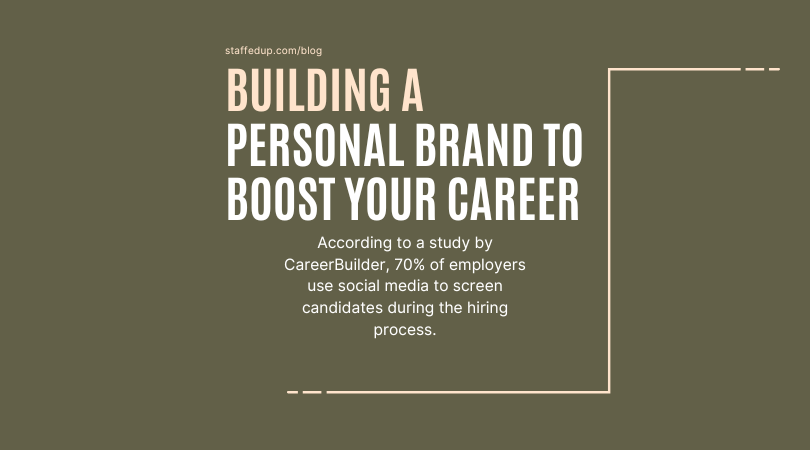
Personal branding is not just for celebrities or influencers; it’s essential for anyone looking to advance their career. A well-crafted personal brand can help you build credibility, showcase your expertise, and create a lasting impression. According to a study by CareerBuilder, 70% of employers use social media to screen candidates during the hiring process1. This means that your online presence can significantly impact your job prospects.

Steps to Build Your Personal Brand

  1. Define Your Unique Value Proposition: Start by identifying what makes you unique. What skills, experiences, and qualities set you apart from others in your field? Your unique value proposition should be the foundation of your personal brand.
  2. Create a Consistent Online Presence: Ensure that your social media profiles, personal website, and any other online platforms consistently reflect your personal brand. Use the same profile picture, bio, and tone of voice across all platforms to create a cohesive image.
  3. Showcase Your Expertise: Share your knowledge and insights through blog posts, articles, and social media updates. Participate in industry discussions and offer valuable contributions. This will help establish you as an expert in your field.
  4. Network Effectively: Building a brand also involves networking. Attend industry events, join professional groups, and connect with influencers in your field. Networking can open doors to new opportunities and help you build a strong professional reputation.
  5. Seek Recommendations and Endorsements: Ask colleagues, clients, and mentors to provide recommendations and endorsements on platforms like LinkedIn. Positive testimonials can enhance your credibility and reinforce your personal brand.
  6. Stay Authentic: Authenticity is key to a successful personal brand. Be true to yourself and your values. People are more likely to connect with and trust someone who is genuine.

Leveraging Your Personal Brand for Career Growth

Once you’ve built a strong personal brand, it’s time to leverage it to boost your career. Here are some ways to do that:

  • Attract Job Opportunities: A strong personal brand can make you more attractive to potential employers. Highlight your achievements and skills on your resume and online profiles to catch the attention of recruiters.
  • Advance in Your Current Role: Use your brand to demonstrate your value to your current employer. Share your successes and contributions with your team and management to position yourself for promotions and new responsibilities.
  • Expand Your Professional Network: Your brand can help you connect with like-minded professionals and industry leaders. These connections can lead to collaborations, mentorship opportunities, and new career paths.

Conclusion

Building a personal brand is a powerful way to boost your career. By defining your unique value proposition, creating a consistent online presence, showcasing your expertise, networking effectively, seeking recommendations, and staying authentic, you can create a personal brand that sets you apart in your industry. Start building your brand today and unlock new opportunities for career growth. To find that first opportunity, check out what’s open at StaffedUp.

How to Handle Job Rejections Positively

Facing job rejections can be tough, but learning how to handle job rejections positively can make a significant difference in your career journey. Rejections are a natural part of the job search process, and how you respond to them can shape your future opportunities.

Understanding the Impact of Job Rejections

Job rejections can feel disheartening, but it’s important to remember that they are not a reflection of your worth or abilities. Instead, they are opportunities to learn and grow. By understanding how to handle job rejections, you can turn these experiences into stepping stones towards your next opportunity.

Steps to Handle Job Rejections Positively

  1. Acknowledge Your Feelings: It’s okay to feel disappointed. Allow yourself to process these emotions before moving forward.
  2. Seek Feedback: If possible, ask for feedback from the employer. Understanding why you were not selected can provide valuable insights for future applications.
  3. Reflect and Improve: Use the feedback to identify areas for improvement. Whether it’s enhancing your resume, improving your interview skills, or gaining new qualifications, there’s always room for growth.
  4. Stay Positive: Maintain a positive outlook. Rejections are not the end of the road but rather a part of the journey. Keep your focus on your long-term career goals.
  5. Network and Connect: Continue to build your professional network. Attend industry events, join relevant groups on LinkedIn, and connect with professionals in your field.

The Role of Resilience

Resilience is key when dealing with job rejections. It helps you bounce back and stay motivated. Remember, every rejection brings you one step closer to the right opportunity. Stay persistent and keep applying.

External Resources

For more tips on handling job rejections, check out these resources:

Moving Forward

Handling job rejections positively is about maintaining a growth mindset. Each rejection is an opportunity to learn, improve, and get closer to your career goals. Stay resilient, keep networking, and continue to refine your approach. Your next opportunity is just around the corner at StaffedUp.

How to Network Effectively in Your Industry

Networking is more than just exchanging business cards; it’s about building meaningful relationships that can open doors to new opportunities. To network effectively in your industry, you need a strategic approach that goes beyond casual meetups. We understand that effective networking can be a game-changer in advancing your career and finding the right job fit. Here’s how you can network effectively and make the most of your professional interactions.

1. Define Your Networking Goals

Why It Matters: Before diving into networking, clarify your goals. Are you looking to advance in your current field, explore new industries, or find job opportunities? Defining your objectives will help you focus your efforts and connect with the right people. For a deeper dive into setting effective networking goals, check out this article.

2. Build a Strong Online Presence

Why It Matters: In today’s digital age, your online presence plays a crucial role in networking. Create a polished LinkedIn profile that highlights your skills, experiences, and professional achievements. Engage with industry-related content and participate in relevant groups. A strong online presence can help you network effectively by making it easier for professionals to find and connect with you.

3. Attend Industry Events

Why It Matters: Industry events, such as conferences, trade shows, and seminars, are prime opportunities for networking. Attend these events to meet key players in your field, learn about industry trends, and engage in meaningful conversations. Be sure to prepare a concise elevator pitch and bring plenty of business cards.

4. Leverage Existing Connections

Why It Matters: Don’t underestimate the power of your current network. Reach out to colleagues, mentors, and friends to let them know you’re looking to connect with others in your industry. They may introduce you to valuable contacts or provide recommendations. Building on existing relationships can be an effective way to expand your network.

5. Follow Up and Stay Engaged

Why It Matters: Networking doesn’t end after the initial meeting. Follow up with new connections to solidify the relationship. Send a personalized thank-you note or email, reference your conversation, and express your interest in staying in touch. Regularly engage with your network by sharing valuable content, commenting on posts, and attending follow-up events.

6. Offer Value First

Why It Matters: To network effectively, focus on what you can offer to others. Share insights, resources, or introductions that can benefit your connections. By offering value, you build goodwill and establish yourself as a helpful and engaged professional. This approach fosters stronger, more reciprocal relationships.

7. Be Authentic and Approachable

Why It Matters: Authenticity is key to successful networking. Be genuine in your interactions and show a sincere interest in others. Approach networking with a mindset of curiosity and respect, rather than solely focusing on what you can gain. Authentic connections are more likely to result in meaningful and long-lasting relationships.

Conclusion

Networking effectively is essential for career growth and finding the right job opportunities. By setting clear goals, building a strong online presence, attending industry events, leveraging existing connections, and offering value, you can make meaningful connections that advance your career. Remember, networking is about building relationships, not just collecting contacts.

For more tips on effective networking and career advancement, visit StaffedUp. Explore our resources to help you connect with industry professionals and find the right job fit.

Careers in the Food & Beverage Industry: Savoring Success

The food and beverage industry isn’t just about meals; it’s a realm of endless possibilities and rewarding careers. From crafting exquisite dishes to managing bustling eateries, this dynamic sector offers passionate individuals a chance to create unforgettable experiences. Let’s explore why pursuing a career in food and beverage could be your gateway to a thriving professional life.

A Flavorful Spectrum of Opportunities

The food and beverage industry caters to diverse tastes and talents, offering a spectrum of career paths:

1. Culinary Arts

At the heart of the industry are chefs and cooks who turn ingredients into culinary masterpieces. Mastering culinary arts isn’t just about cooking; it’s about crafting experiences that tantalize the senses and leave lasting impressions. With the rise of global cuisines, there’s a growing demand for skilled professionals who can bring authentic and innovative dishes to the table.

2. Food and Beverage Management

Ideal for hospitality enthusiasts with leadership skills, this role ensures smooth restaurant operations. From overseeing staff and service to optimizing customer satisfaction, managers play a pivotal role in the industry’s success.

3. Sommelier

For wine connoisseurs, becoming a sommelier opens doors to a world of flavors and refinement. These experts excel in wine service and pairing, enhancing dining experiences in prestigious restaurants and events.

4. Baristas and Mixologists

In the realm of coffee and cocktails, baristas and mixologists blend artistry with taste. They create beverages that go beyond refreshment, offering customers memorable moments with every sip.

5. Food Science and Nutrition

Combining science with culinary arts, careers in food science and nutrition innovate food products and promote healthier eating. It’s a field where innovation meets consumer wellness, shaping the future of food.

Why Choose a Career in Food and Beverage?

A. Passion and Creativity

This industry thrives on creativity and passion for food and drink. It’s a canvas where professionals express themselves through flavors, presentations, and hospitality.

B. Dynamic Environment

The food and beverage industry is fast-paced and ever-evolving, ensuring no two days are alike. It offers a dynamic playground for professionals seeking excitement and constant growth.

C. Abundant Growth Opportunities

With its expansive reach, the industry offers abundant avenues for career advancement. Whether climbing the managerial ladder, launching a culinary venture, or exploring new roles, the possibilities are limitless.

D. Global Influence

Food is a universal language that transcends borders. Careers in this industry often involve global exposure, from exploring international cuisines to connecting with diverse cultures.

Nourishing the Future

As global interest in food grows, skilled professionals in food and beverage are more valuable than ever. Whether through culinary innovation, impeccable service, or nutritional expertise, careers in this field promise both challenges and rewards.

The food and beverage industry beckons those ready to blend their passion with professionalism. If you’re inspired by the idea of shaping culinary experiences, managing hospitality ventures, or advancing food science, a fulfilling career in this vibrant sector awaits. Take the first step toward a flavorful journey—it’s time to savor success in the food and beverage industry!

Why Diversity and Inclusion Are Important in Hiring

In today’s rapidly evolving and interconnected world, fostering diversity and promoting inclusion have become essential aspects of building successful organizations. Embracing diversity and promoting inclusivity in the hiring process is not only the right thing to do, but it also brings numerous benefits to companies. Here are some compelling reasons why diversity and inclusion are important in hiring:

Enhanced Innovation and Creativity

Diverse teams bring together individuals with different perspectives, backgrounds, and experiences. This diversity of thought and perspective fuels innovation and creativity within an organization. When employees from various backgrounds collaborate, they bring fresh ideas, challenge assumptions, and offer unique solutions to complex problems. This diverse range of ideas helps businesses stay innovative, adapt to changing markets, and seize new opportunities.

Broader Talent Pool

By actively seeking diversity in the hiring process, organizations have access to a broader talent pool. A diverse workforce brings together individuals with different skills, experiences, and perspectives. This diversity of talent opens up opportunities for organizations to tap into various markets, connect with diverse customer bases, and gain a competitive edge. It allows companies to attract and retain top talent from different backgrounds, nurturing a workforce that reflects the diversity of the world at large.

Improved Decision-Making

When teams are composed of individuals from various backgrounds and experiences, they are more likely to make well-rounded and informed decisions. Diversity brings a variety of perspectives into the decision-making process, challenging biases and promoting critical thinking. Different viewpoints help teams uncover blind spots, consider alternative options, and make more effective and balanced decisions. This leads to better outcomes and mitigates the risk of groupthink.

Better Problem-Solving

Diverse teams have the advantage of being able to approach problem-solving from multiple angles. With a range of backgrounds and experiences, team members can offer unique insights and alternative approaches to tackle challenges. This diversity of thought helps organizations identify creative solutions and find more effective ways of addressing complex problems. By embracing diversity in the hiring process, companies can build teams that are skilled at overcoming obstacles and driving innovation.

Increased Employee Engagement and Retention

When employees feel valued, respected, and included, they are more likely to be engaged and committed to their work. By prioritizing diversity and inclusion in the hiring process, organizations create a positive work environment that promotes equality and offers opportunities for growth and development. This inclusive culture fosters a sense of belonging and encourages employees to bring their whole selves to work. As a result, employee satisfaction, productivity, and retention rates soar.

Reflecting the Community and Customers

Businesses operate within diverse communities and serve diverse customer bases. In order to connect with and understand these communities and customers, it is crucial to have a workforce that reflects that diversity. By hiring individuals from different backgrounds, organizations can better understand the needs and preferences of their target audience. This enables them to tailor their products or services to meet those needs effectively, leading to increased customer satisfaction and loyalty.

Positive Brand Image and Reputation

In today’s socially conscious world, consumers are increasingly placing importance on a company’s commitment to diversity and inclusion. By prioritizing and actively promoting diversity in the hiring process, organizations enhance their brand image and reputation. Showing a genuine commitment to diversity and inclusion not only appeals to a broader customer base but also attracts top talent who appreciate and value an inclusive work environment.

In conclusion, embracing diversity and promoting inclusion in the hiring process is crucial for organizations to thrive in today’s globalized and dynamic business landscape. By fostering a diverse and inclusive workforce, companies can enjoy benefits such as enhanced innovation, access to a broader talent pool, improved decision-making, and increased employee engagement. Moreover, diversity and inclusion enable organizations to reflect the communities they serve, positively impact their brand image, and build a brighter and more successful future.

Tools and Techniques for Managing Workplace Anxiety

In today’s fast-paced and demanding work environments, it’s not uncommon for employees to experience anxiety. Whether it’s caused by high workloads, tight deadlines, or simply the pressures of daily responsibilities, workplace anxiety can have a significant impact on both individual well-being and overall productivity. Fortunately, there are several employee engagement tools and techniques that can help manage and alleviate workplace anxiety. In this blog post, we will explore some effective strategies to support employees in navigating and minimizing workplace anxiety.

Recognizing the Signs of Workplace Anxiety

The first step in managing workplace anxiety is to recognize the signs and symptoms. Some common indicators of workplace anxiety include excessive worry, difficulty concentrating, restlessness, irritability, and changes in sleep patterns or appetite. It’s crucial for both individuals and managers to be aware of these signs and take them seriously.

Promoting a Supportive Work Environment

Creating a supportive work environment is key to managing workplace anxiety. Organizations can encourage open communication and foster a culture that prioritizes employee mental health and well-being. Managers should make themselves approachable and available to discuss any concerns or challenges employees may be facing. Providing resources for mental health support, such as counseling services or employee assistance programs, can also be beneficial.

Time Management and Prioritization

Often, workplace anxiety can stem from feeling overwhelmed by an excessive workload or the perception of not having enough time to complete tasks. Encouraging effective time management and prioritization skills can help employees better manage their workload and reduce anxiety. Techniques such as creating to-do lists, setting realistic goals, and breaking tasks into smaller, more manageable steps can be effective in reducing stress and increasing productivity.

Developing Coping Mechanisms

Individuals should develop coping mechanisms to help manage workplace anxiety. Deep breathing exercises, mindfulness meditation, and physical activities like stretching or walking during breaks can help reduce anxiety and promote relaxation. Encouraging employees to take short breaks throughout the day to engage in these activities can have a positive impact on their well-being and overall productivity.

Building Support Networks

Building support networks is vital in managing workplace anxiety. Encouraging social connections and fostering a sense of camaraderie among coworkers can provide a support system when facing challenges or stressful situations. Encourage team-building activities, social events, or even the establishment of mentorship programs. This can help employees feel supported and less isolated, reducing workplace anxiety.

Seeking Professional Help

In severe cases, where workplace anxiety significantly impacts an individual’s well-being and ability to function, it may be necessary to seek professional help. Employers should ensure that avenues for professional counseling or therapy are available to employees who may require more specialized support. Reducing the stigma around seeking therapy and promoting mental health awareness is essential in fostering a healthy work environment.

Encouraging Work-Life Balance

Workplace anxiety can be exacerbated when there is a lack of work-life balance. Encouraging employees to maintain a healthy balance between work and personal life is crucial in managing anxiety. Setting clear expectations around working hours, promoting flexible work arrangements, and encouraging employees to take time off when needed can help prevent burnout and reduce workplace anxiety.

Workplace anxiety is a reality for many individuals, but it doesn’t have to dominate their work lives. By recognizing the signs, promoting a supportive work environment, and implementing strategies such as time management techniques, coping mechanisms, and building support networks, employees can effectively manage workplace anxiety. Ultimately, prioritizing employee well-being and mental health not only leads to a happier and healthier workforce but also improves overall productivity and organizational success.

Frequently Asked Questions

  • How does StaffedUp find applicants for me?

    StaffedUp leverages our extensive talent networks, optimized SEO, external automated job board posting such as Indeed and Google Jobs, social media integrations, QR code scan to apply marketing, and by leveraging your website and brand to drive genuinely motivated applicants for hire.

  • Can I customize StaffedUp to hire the way I need to?

    100% your can. We offer complete customization to fit your exact needs. Create custom company recruitment pages, company culture, jobs, application questions, and customized automated or one click messaging to expedite engagement.

  • How long does it take to get set up?

    How's a few minutes sound? Our quick startup tools are the easiest thing you'll use all year! We provide pre-drafted job descriptions & application questions, & even wrote your application responses for you! Need a hand? We'll teach you everything you need to know in 10 minutes. Did we mention it's easy?

  • Can I cancel anytime?

    Yep! For paid accounts we simply ask for 15 day notice before you next bill. Need to chat with us? Use the help desk in your account or email us at support@staffedup.com.

  • What is the WOTC (Work Opportunity Tax Credit)?

    WOTC (Work Opportunity Tax Credit) is a federal tax credit available to business employers, both large and small. The credits are designed to offset Federal income tax liabilities. When the WOTC program is executed the right way, employers can capture enough tax credits to significantly reduce, or even eliminate, their Federal income tax liabilities. (And if your business was formed using a flow-through-entity, like a S-corp or LLC, then the credits could flow-through to the owner’s K-1).

  • How can WOTC impact my business?

    Executing the WOTC program is simple and easy with the right provider. We’ll screen your applicants to determine if they satisfy one of nine qualifying criteria. If so, our team of tax credit experts work with specific government agencies, behind the scenes, to capture the tax credits for you. Once captured, tax credits can be used to eliminate Federal income tax liabilities and thus improve cash flow for stakeholders and the business.

  • DID WE JUST BECOME BEST FRIENDS?

    Duh! We built this for you, because we are you! Your success in hiring is the only thing we care about. Anything you need, any time, we're always here, we'll always listen!