Running a restaurant franchise comes with unique challenges. Managing multiple locations, coordinating employees, tracking inventory, and maintaining consistent customer experiences can quickly become overwhelming. That’s where restaurant franchise management software comes in.
This software helps franchise owners streamline operations, improve efficiency, and make data-driven decisions across all locations. In this guide, we’ll cover everything you need to know—from key features and benefits to top solutions and implementation tips. Whether you’re running a small franchise or a multi-unit empire, this post will help you understand how the right software can transform your business.
What is Restaurant Franchise Management Software?
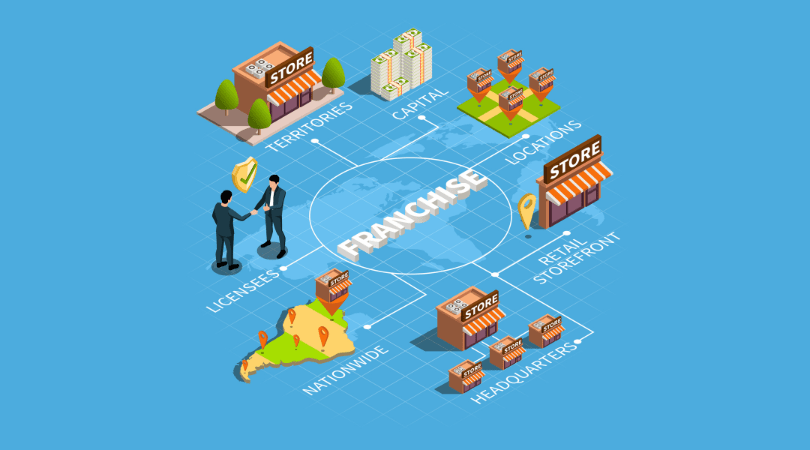
At its core, restaurant franchise management software is a platform designed to help franchise owners oversee and control multiple restaurant locations from a central hub. Unlike standard restaurant management systems, which focus on a single location, franchise management software is built for multi-unit operations.
It integrates various functions such as inventory management, employee scheduling, marketing campaigns, and analytics, allowing you to monitor and optimize your business in one place.
Key Functions of Franchise Management Software
Understanding what this software can do will help you evaluate which solution best fits your franchise’s needs. Common features include:
- Centralized Reporting and Analytics: Monitor sales, labor, and inventory metrics across all locations.
- Inventory and Supply Chain Management: Track stock levels, automate orders, and reduce waste.
- Employee Scheduling and Labor Management: Manage shifts, payroll, and compliance across multiple locations.
- Marketing and Loyalty Program Management: Run promotions, track customer engagement, and manage loyalty programs centrally.
- Compliance and Operational Standardization: Ensure every location follows brand standards and regulatory requirements.

Who Uses This Software?
The primary users of franchise management software include:
- Franchise Owners: Gain oversight of all locations and make strategic decisions. Keeping it all on one dashboard allows you to not require 80 tabs open at all times to operate.
- Multi-Location Managers: Track operational performance and identify inefficiencies. Looking at the whole group holistically gives you insights you wouldn’t see while only looking at each individual unit.
- Operations and HR Teams: Streamline staff management and enforce standardized processes. One location busier than the other? These units shouldn’t be treated the same when staffing.
Benefits of Using Restaurant Franchise Management Software
Investing in the right software can transform how your franchise operates. Here’s how:
Streamlined Operations Across Multiple Locations
With a centralized platform, you can manage inventory, staff schedules, and promotions across all units. This ensures consistency and reduces errors.
Data-Driven Decision Making
Franchise management software provides analytics that helps you make informed decisions. Track sales trends, labor costs, and inventory performance to optimize profits.
Improved Employee Management
Scheduling, payroll, and performance tracking become easier and more accurate, reducing administrative burden and improving team satisfaction.
Enhanced Customer Experience
Standardized processes and integrated loyalty programs create a consistent, high-quality experience for customers at every location.
Cost and Time Savings
Automation reduces manual work, prevents operational mistakes, and frees up managers to focus on growth strategies.
Key Features to Look for in Restaurant Franchise Management Software
Not all software is created equal. Here are the features that make a system effective for franchises:
Centralized Dashboard
Provides a single view of all locations, enabling quick decisions and easy monitoring. One location performing better than the other but labor is through the roof? See it all on one dashboard.
Inventory & Supply Chain Tracking
Automates stock alerts, reduces waste, and keeps all locations supplied efficiently.
Employee Scheduling & Labor Compliance
Ensures compliance with labor laws, optimizes staffing, and reduces scheduling conflicts.
Reporting & Analytics Tools
Generate detailed reports on sales, revenue, labor, and other KPIs.
Integration with POS Systems
Seamlessly connects with existing point-of-sale systems to synchronize data.
Marketing & Customer Engagement Tools
Manage promotions, loyalty programs, and customer communication from one platform.
Security & Compliance Features
Protect sensitive data with robust security and ensure adherence to regulations like GDPR or PCI compliance.

How to Choose the Right Franchise Management Software
Choosing software that fits your franchise’s needs is critical. Consider these factors:
Assess Your Franchise Needs
Think about the number of locations, staff size, and operational complexity. Not every solution works for every franchise.
Compare Features vs. Cost
Look at what features are included and calculate the ROI. Sometimes paying slightly more upfront saves money long-term.
Ease of Use and Training
A simple, intuitive interface ensures staff adoption and reduces training time. This only helps managers streamline the hiring process and spend time on more strategic fronts.
Evaluate Vendor Support and Updates
Choose software with reliable customer service, training resources, and regular updates.
Check for Scalability
Your software should grow with your franchise network, accommodating new locations and changing needs.
Top Restaurant Franchise Management Software Solutions in 2025
Here’s a comparison of some of the top software options:
| Software | Key Features | Pricing | Best For |
| FranchisePro | Analytics, scheduling, marketing | $$$ | Medium to large franchises |
| MultiUnit Manager | Inventory, POS integration, compliance | $$ | Small to medium franchises |
| RestaurantHQ | Loyalty programs, employee management, cloud-based | $$$ | Multi-location chains |
| OptiFranchise | AI reporting, predictive analytics | $$$$ | Large enterprise franchises |
Case Study Example:
A mid-size burger franchise implemented FranchisePro and reduced labor costs by 15% while increasing inventory efficiency by 20% across 10 locations within six months.
Implementation Tips for Franchise Management Software
Plan Your Rollout Strategy
Start with a pilot program at a few locations before rolling out company-wide.
Train Your Staff Effectively
Create tutorials, webinars, and support materials to ensure smooth adoption. Ensure you have enough (and the right) staff to operate at the highest level.
Monitor Performance Metrics Post-Implementation
Track KPIs such as labor cost, sales trends, and customer satisfaction to measure ROI.
Gather Feedback and Optimize
Encourage managers and staff to report issues and suggest improvements.
Common Challenges and How to Overcome Them
Resistance to Change from Staff
Solution: Provide training and communicate the benefits clearly. This is to be done during onboarding to be most effective. Allow employees to get comfortable with your workplace non-negotiables early.
Integration Issues with Existing Systems
Solution: Work closely with your IT team and software vendor for smooth integration.
Cost Concerns for Smaller Franchises
Solution: Conduct a phased rollout and focus on ROI to justify the investment. For smaller unit groups, this needs to be a cost effective solution. Keep price & functionality at the top of the conversation.
Future Trends in Restaurant Franchise Management Software
- AI and Predictive Analytics: Forecast inventory needs, labor scheduling, and sales trends.
- Cloud-Based Software: Access data and manage operations remotely from any device.
- Mobile Apps: Give managers and franchisees control on-the-go. Most of the top franchise solutions will be browser based – look for the mobile apps integration for your top options.
- Integration with Delivery Platforms: Connect with online ordering and third-party delivery services.
Frequently Asked Questions (FAQs)
Q: What is the difference between franchise management software and POS software?
A: POS software focuses on transactions and orders at a single location, while franchise management software oversees multiple locations, including operations, staff, and analytics.
Q: How much does franchise management software cost?
A: Costs vary widely depending on features, number of locations, and vendor. Small franchises may pay a few hundred dollars per month, while enterprise solutions can cost thousands.
Q: Can it integrate with existing POS or accounting systems?
A: Most modern franchise software offers seamless integration with POS, accounting, and HR systems.
Q: How long does implementation take?
A: Typically, 4–12 weeks depending on the number of locations and complexity of your operations.
Q: Is it suitable for small or emerging franchises?
A: Yes, many software providers offer scalable solutions tailored to smaller franchises.
Conclusion
Managing a multi-location restaurant franchise is complex, but the right restaurant franchise management software can simplify operations, improve efficiency, and drive profitability. From centralized dashboards and inventory tracking to employee scheduling and marketing tools, this software provides everything franchise owners need to grow successfully.
Investing in the right solution, training your team effectively, and monitoring performance will ensure your franchise thrives in 2025 and beyond. First step is to get your best team in place, lean on StaffedUp to get there.